Acupuncture for addiction therapy has become recognised as a helpful approach in recovery programs, providing a non-drug method based on centuries of tradition. Acupuncture for addiction therapy is complementary to reducing withdrawal symptoms and emotional distress.
Therapy programs may include acupuncture to support cravings, reduce anxiety, and help with sleep issues. Acupuncture also complements conventional treatments by stabilising a person’s mood and inducing relaxation, when added alongside counselling services and medical supervision.
Patients receiving acupuncture as a part of their recovery plan experience additional benefits (reduced withdrawal symptoms, improved sleep, and decreased anxiety), supporting better engagement, emotional regulation, decision-making, and reducing relapse risk. The outcomes reflect the potential of acupuncture and addiction programs to address physical and psychological aspects of recovery.
Safety remains a priority in acupuncture. Licensed practitioners follow protocols to minimise risks (infection or bruising). Its coordination with other treatments ensures compatibility with medications and therapies. Acupuncture doesn’t interfere with drugs and works with behavioural therapies without adverse effects. Its low complication rate supports its use in most recovery settings.
Recognition of acupuncture in addiction treatment has increased recently, with rehabilitation centres and clinics integrating it into holistic care approaches. Acupuncture has been evaluated for its effectiveness, aiding acceptance by healthcare professionals. Public health initiatives see acupuncture as a valuable addition to traditional treatment, reinforcing its role in drug use recovery.
What is Acupuncture?
Acupuncture therapy comes from traditional Chinese medicine. It’s practice has been used to heal ailments and promote wellness for more than 2,000 years. The energy or qi (chi) flows through specific pathways in the body from the viewpoint of traditional Chinese medicine. Illness, pain, and disease are thought to be caused by a disruption or blockage to the flow of energy in the body. Acupuncture is the insertion of fine, sterile needles into the skin at specific anatomic sites, or acupuncture points, to bring the energy flow back into balance.
Modern medicine explains the benefits of acupuncture through neuroscience, and acupuncture points are seen by Western practitioners as places where stimulation of nerves, muscles, and connective tissue increases blood flow and triggers endorphins. Research has shown that acupuncture has noticeable effects on the nervous system, endocrine and immune system, cardiovascular system, and digestive system.
Hundreds of clinical studies were published about the benefits of acupuncture, and the U.S. National Institute of Health (NIH) announced acupuncture’s safety for treating a wide range of conditions in 1997. However, scientists are still uncertain about exactly how acupuncture works, and there are practical research limitations that make it challenging to document acupuncture’s role in patients’ improvements.
A trained and competent acupuncturist performs acupuncture safely and effectively, so there are very few potential risks and side effects. Anecdotal reports consistently praise its use as a complementary therapy for individuals, including patients in addiction recovery, while research scientists are trying to collect solid proof that acupuncture is beneficial.
How does Acupuncture Work for Addiction Treatment?
Acupuncture works for addiction treatment by involving a combination of traditional Chinese medicine principles and modern biomedical understanding. Traditional Chinese Medicine (TCM) theory describes acupuncture as a method to balance the flow of qi, or vital energy, through pathways (meridians). Disruption in qi is believed to contribute to physical and emotional distress. Acupuncture aims to balance the body and reduce internal imbalances by stimulating specific points on the body.
Biomedical research has identified physiological responses triggered by acupuncture. The first response includes the release of endorphins, which are natural chemicals that reduce pain and promote a sense of calm. The second response involves the regulation of dopamine, a neurotransmitter linked to reward and motivation. Stabilising dopamine levels helps reduce compulsive behaviour and supports emotional stability. The last response includes the modulation of stress hormones (cortisol), which allows for lower tension and improves sleep quality.
These mechanisms boost the effectiveness of acupuncture and enhance addiction recovery efforts. Reduced pain and increased relaxation alleviate physical discomfort during the withdrawal process. Balanced dopamine levels foster clearer thinking and lessen cravings. Lower stress hormone levels and aid emotional regulation by helping manage anxiety and supporting sustained recovery. Combining traditional and biomedical methods offers a comprehensive approach to tackling addiction-related issues.
How does Acupuncture Work in the Body?
Acupuncture works in the body by inserting fine needles into specific points along the meridians (pathways), which aim to restore the flow of energy and promote internal balance. Acupuncture produces biological effects, activates the nervous system to release endorphins, which are natural painkillers that foster relaxation. Acupuncture helps balance dopamine levels, contributing to emotional stability and lessening compulsive behaviors. It also lowers cortisol levels, which helps to reduce anxiety and improve sleep.
The physiological changes boost the effectiveness of acupuncture for addiction treatment. Lower stress levels help alleviate emotional tension during withdrawal. Elevated endorphin activity promotes pain relief and relaxation. Stabilised dopamine levels decrease cravings and aid clearer decision-making. Combining traditional energy balancing with measurable biological responses offers a multi-layered strategy for managing drug abuse and aiding recovery.
Can Acupuncture Help with Alcohol Addiction?
Yes, acupuncture can help with alcohol addiction, which aids in reducing withdrawal symptoms and emotional distress. Alcohol dependence involves complex brain chemistry, psychological factors, and environmental influences. Chronic use alters neurotransmitters (dopamine and serotonin), impacting mood and impulse control. Acupuncture stimulates specific body points, releasing endorphins and regulating dopamine, which lessen cravings and stabilise emotions. Its benefits include decreased anxiety, improved sleep, and relief from withdrawal symptoms, which all support treatment engagement. The effects emphasise acupuncture’s role in addressing psychological and physiological aspects of addiction. Programs for alcohol addiction integrate acupuncture into comprehensive therapy, utilising it for withdrawal management and long-term recovery, with research showing it reduces stress hormones and improves mood.
Can Acupuncture Help with Drug Addiction?
Yes, acupuncture can help with drug addiction, which is used in addiction recovery programs to support individuals dealing with drug dependence by addressing physical discomfort and emotional distress. Acupuncture involves inserting fine needles into specific points to influence physiological responses and restore balance. Facilities that provide acupuncture for addiction use protocols (NADA approach), which emphasise ear points and group sessions. The technique helps promote emotional stability and physical healing without disrupting medications or behavioural treatments. Programs for Drug and Alcohol Rehab in Thailand incorporate acupuncture to aid withdrawal, cravings, and emotional distress, resulting in less anxiety, better sleep, and relief from discomfort, demonstrating its value in addressing psychological and physiological aspects of addiction.
Is Acupuncture Safe for People in Recovery?
Yes, acupuncture is safe for people in recovery. Acupuncture is typically safe when carried out by trained, licensed practitioners using sterile, single-use needles. It minimises risks (infection, bruising, or discomfort) and does not interfere with medications or other therapies. The non-invasive approach and flexible procedures make it appropriate for substance dependence recovery. Patients may experience mild sensations, which lowers the risk of dependency. There are no risks of allergies, as it does not involve chemicals. Recovery centres track results and modify sessions as needed, confirming acupuncture as a safe and supportive option in addiction treatment.
What are the Main Acupuncture Points for Addiction?
The main acupuncture points for addiction are listed below.
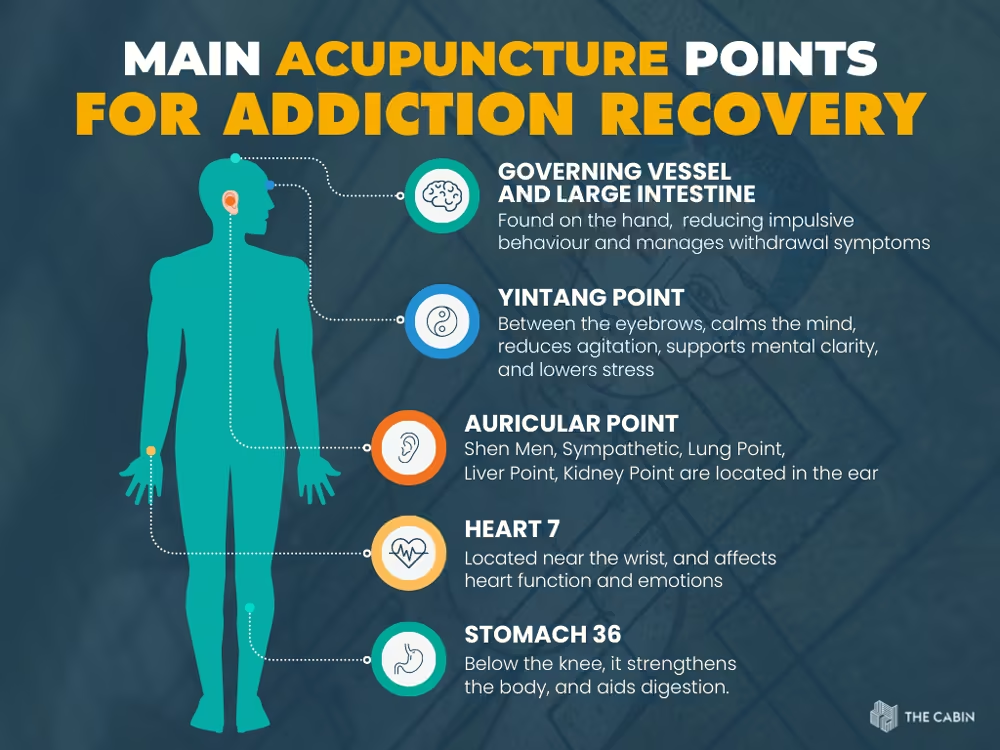
- Shen Men (Auricular Point): Shen Men is located in the ear, which calms the mind, reduces emotional distress, relieves anxiety, and improves sleep.
- Sympathetic (Auricular Point): The ear point influences the autonomic nervous system, helping regulate stress responses. The stimulation reduces tension and promotes relaxation during withdrawal.
- Lung Point (Auricular Point): The Lung Point is positioned on the ear and is linked to respiratory and emotional health. It supports withdrawal management and relieves grief cravings.
- Liver Point (Auricular Point): The Liver Point is found in the ear, targets withdrawal management and emotional regulation. Activation supports the processing of anger and frustration during recovery.
- Kidney Point (Auricular Point): The point boosts vitality and reduces fear, supporting resilience and emotional stability during addiction treatment.
- Yintang (Body Point): Yintang is between the eyebrows, calms the mind, reduces agitation, supports mental clarity, and lowers stress.
- Governing Vessel 20 (Body Point): Governing Vessel 20 (GV20) is at the top of the head, stabilises mood, improves focus, and supports emotional balance, reducing impulsive behaviour.
- Large Intestine (Body Point): Large Intestine (LI4) is found on the hand, treat pain relief and stress reduction, supports comfort, and manages withdrawal symptoms.
- Stomach 36 (Body Point): Stomach 36 (ST36) is below the knee, strengthens the body, and aids digestion. Activation restores energy and supports early recovery phase recovery.
- Heart 7 (Body Point): Heart 7 (HT7) is located near the wrist, and affects heart function and emotions. Its stimulation helps regulate sleep and reduces anxiety.
Where are the Withdrawal Management Points Located in the Body?
The main early recovery phase acupuncture points located in the body are listed below.

- Large Intestine 4 (LI4): The LI4 point is on the hand between the thumb and index finger. It supports toxin elimination and reduces physical tension during drug early recovery phase.
- Stomach 36 (ST36): The ST36 point is below the knee. It boosts digestion, energy, organ recovery, and resilience.
- Liver 3 (LV3): the LV3 point is on the foot between the first and second toes. It regulates liver function and supports emotional balance during withdrawal management.
- Spleen 6 (SP6): SP6 point is above the ankle on the inner leg. Stimulation supports fluid balance and calms the nervous system, helping reduce anxiety and improve sleep.
- Kidney 3 (KD3): The KD3 point is found near the ankle. The activation supports kidney function and restores vitality, aiding emotional grounding during drug early recovery phase.
- Pericardium 6 (PC6): The PC6 point is on the inner forearm. It regulates heart rhythm, reduces nausea, and supports emotional stability and comfort.
- Governing Vessel 20 (GV20): The GV20 point is at the top of the head. The stimulation clears the mind and stabilises mood, supporting mental clarity during recovery.
What is the NADA Protocol in Addiction Therapy?
The National Withdrawal Management (NADA) protocol in addiction therapy is a standardised ear acupuncture method developed by the NADA. This approach involves the insertion of fine needles into five specific points on each ear. The selected points include Shen Men, the autonomic, the kidney, the liver, and the lung. Each point has a distinct purpose in supporting emotional regulation, physical withdrawal management, and nervous system balance.
The National Withdrawal Management created a protocol for a non-verbal, non-drug method to support recovery. NADA does not diagnose or replace medical care, but complements these treatments by promoting calm, reducing cravings, and aiding sleep. The technique is used in group settings within shared, quiet spaces (recovery centres, correctional facilities, and community clinics), dedicated to individuals dealing with substance dependence and trauma. The protocol’s standard structure ensures accessibility and consistency, making it easy to implement in various settings. It is valued for its simplicity, safety, and ability to promote emotional stability during recovery.
What Are the NADA 5-Point Ear Acupuncture Protocol?
The NADA 5-point ear acupuncture protocol is listed below.
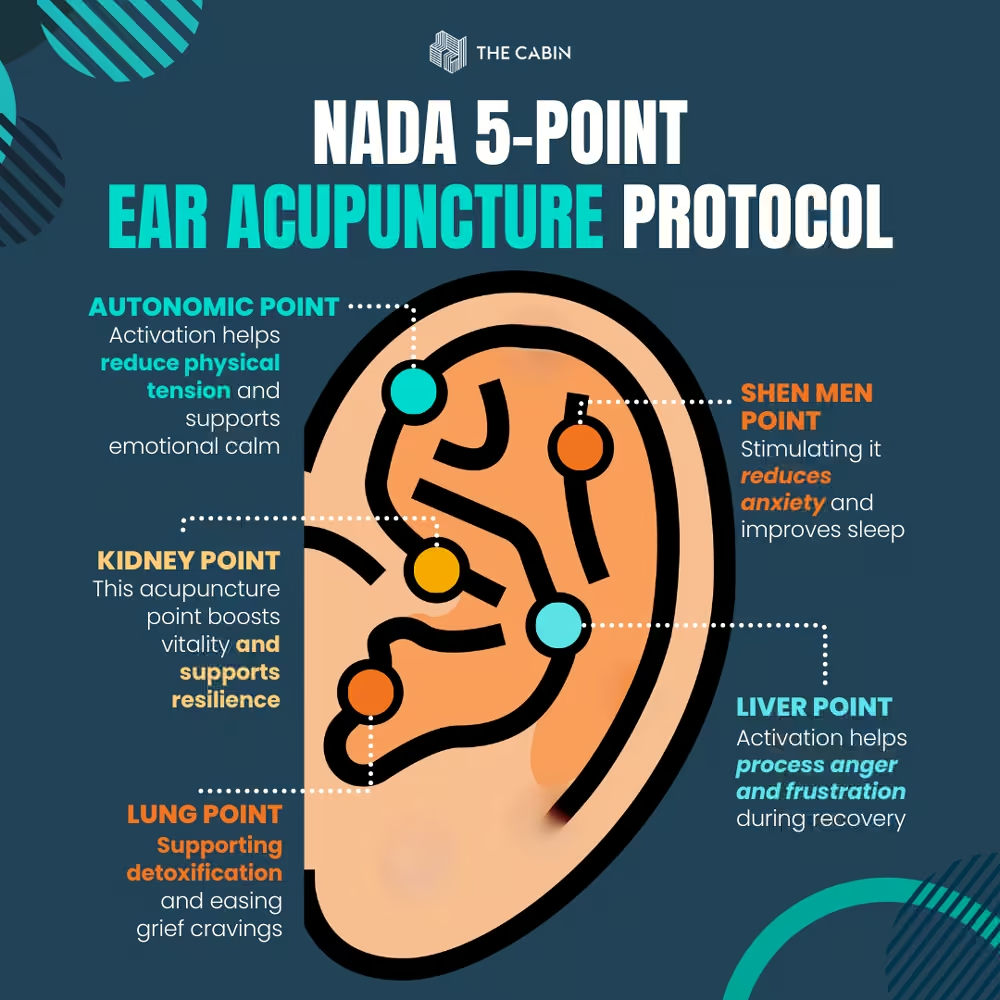
- Autonomic Point: The autonomic point is in the ear, which influences the parasympathetic nervous system. Activation helps reduce physical tension and supports emotional calm during withdrawal.
- Shen Men: Shen Men is located in the ear, which soothes the mind and eases emotional stress. Stimulating it reduces anxiety and improves sleep.
- Kidney Point: This acupuncture point boosts vitality, reduces fear, and supports resilience and emotional grounding during addiction treatment.
- Liver Point: The Liver Point aids withdrawal management and emotional regulation. Activation helps process anger and frustration during recovery.
- Lung Point: The Lung Point is linked to respiratory and emotional health, supporting withdrawal management and easing grief cravings.
1. The autonomic point
The autonomic point in acupuncture is on the ear and forms part of the auricular acupuncture system. This acupuncture point plays a central role in regulating the autonomic nervous system, which governs involuntary bodily functions (heart rate, digestion, and stress response). Activation of the autonomic point supports the balance between sympathetic and parasympathetic activity, helping the body shift from a state of tension to one of rest and recovery.
The primary function of the autonomic point involves calming the nervous system and reducing physiological stress. The autonomic point is used in protocols designed to support emotional stability and physical comfort during periods of heightened anxiety or withdrawal. It influences the body’s internal regulation, which contributes to lowered blood pressure, relaxed muscle tone, and improved circulation.
The autonomic point provides benefits like easing withdrawal symptoms (rapid heartbeat and digestive issues), enhancing emotional regulation for clearer thinking and lower relapse risk, and increasing relaxation to support engagement in therapy. Programs using acupuncture for addiction treatment have included the autonomic point to support wellness and recovery without relying on pharmaceutical interventions.
2. The Shen Men “spirit gate” point
The Shen Men “spirit gate” point is on the upper part of the ear and forms part of the auricular acupuncture system. This acupuncture point is used in traditional Chinese medicine to influence emotional balance and support mental clarity. Its name reflects a connection to inner peace and spiritual grounding, making it a central feature in protocols designed to support psychological wellness.
The primary function of the Shen Men point involves calming the nervous system and reducing emotional agitation. Activation of the point helps regulate stress responses and releases endorphins, promoting relaxation. The Shen Men point is often included in acupuncture protocols for its ability to influence mood and reduce tension.
The Shen Men point provides several benefits; reducing anxiety to support clarity and emotional stability, improving sleep to boost resilience, and relieving cravings to maintain focus during treatment. Programs that incorporate acupuncture for addiction routinely include the Shen Men point to aid in emotional regulation and promote overall wellness.
3. The kidney point
The kidney point in acupuncture is on the ear and forms part of the auricular system used in withdrawal management and emotional regulation. Traditional Chinese medicine associates this point with the kidney organ system, which governs vitality, fear response, and foundational energy. The kidney point is included in protocols designed to support individuals experiencing physical depletion and emotional instability.
The kidney point involves strengthening internal energy and stabilising emotional responses, and is used to address symptoms (low energy, fearfulness, and difficulty concentrating). Activation of this point influences the body’s ability to recover from fatigue and supports resiliency during periods of stress.
The kidney point also improves emotional grounding, supports decision-making, reduces impulsivity, boosts physical strength, helps manage withdrawal, increases participation in treatment, and lowers fear and anxiety, all of which aid in long-term recovery. The inclusion of the kidney point in acupuncture for addiction treatment reflects its role in restoring balance and supporting wellness.
4. The liver point
The liver point in acupuncture is on the ear and forms part of the auricular system used in withdrawal management and emotional regulation. Traditional Chinese medicine links this point to the liver, which manages toxins, emotions, and blood flow, as it is used in protocols to treat irritability, frustration, and stagnation. The liver point promotes withdrawal management and emotional regulation. Activation helps release tension and aids in breaking down substances affecting physical and mental balance. It is often used to address mood swings, digestive discomfort, and fatigue caused by toxins.
The liver point offers benefits (better emotional regulation, clearer thinking, and reduced impulsivity). The liver point aids natural early recovery phase, easing withdrawal and restoring energy. It can relieve irritability and assist in enhancing engagement in therapy. Programs using acupuncture for addiction have consistently included the liver point to support both physical cleansing and emotional stability.
5. The lung point
The lung point in acupuncture is located on the ear and is part of the auricular system, used for withdrawal management and emotional regulation. Traditional Chinese Medicine (TCM) links this point to the lungs, governing respiration, grief, and encouraging emotional release. The lung point is incorporated into protocols aimed at helping individuals experiencing sadness, shallow breathing, and internal stagnation.
The lung point supports respiration and emotional release, influencing grief processing and breathing. This point also helps address chest tightness, fatigue, and emotional heaviness associated with unresolved trauma. The benefits of lung point include: relief from emotional suppression, supporting clearer thinking, and increased emotional stability. It often can improve breathing, reduce tension and aid in relaxation. The lung point aids in withdrawal management by lowering cravings and enhancing therapy engagement. Programs using acupuncture include the lung point for emotional and physical recovery.
How is NADA Acupuncture Different from Regular Acupuncture?
National Withdrawal Management (NADA) acupuncture differs from regular acupuncture through its standardised structure, targeted purpose, and collective application. NADA developed a fixed protocol involving five ear points (Shen Men, Sympathetic, Kidney, Liver, and Lung). Regular acupuncture varies in technique, point selection, and goals based on diagnosis and practitioner style. NADA acupuncture emphasises withdrawal management and emotional regulation, suitable for all addiction recovery and trauma support.
The protocol does not require verbal or personalised assessment, ensuring consistency across the participating populations. Regular acupuncture involves detailed consultation and individualised point selection. NADA sessions occur in group settings, fostering community and reducing isolation during recovery. It also promotes emotional stability and creates physical comfort without medication or complex diagnostics. It is a modality easily used in rehab centres, correctional facilities, and disaster teams.
What are the Benefits of Acupuncture for People in Addiction Recovery?
The benefits of acupuncture for people in addiction recovery are listed below.
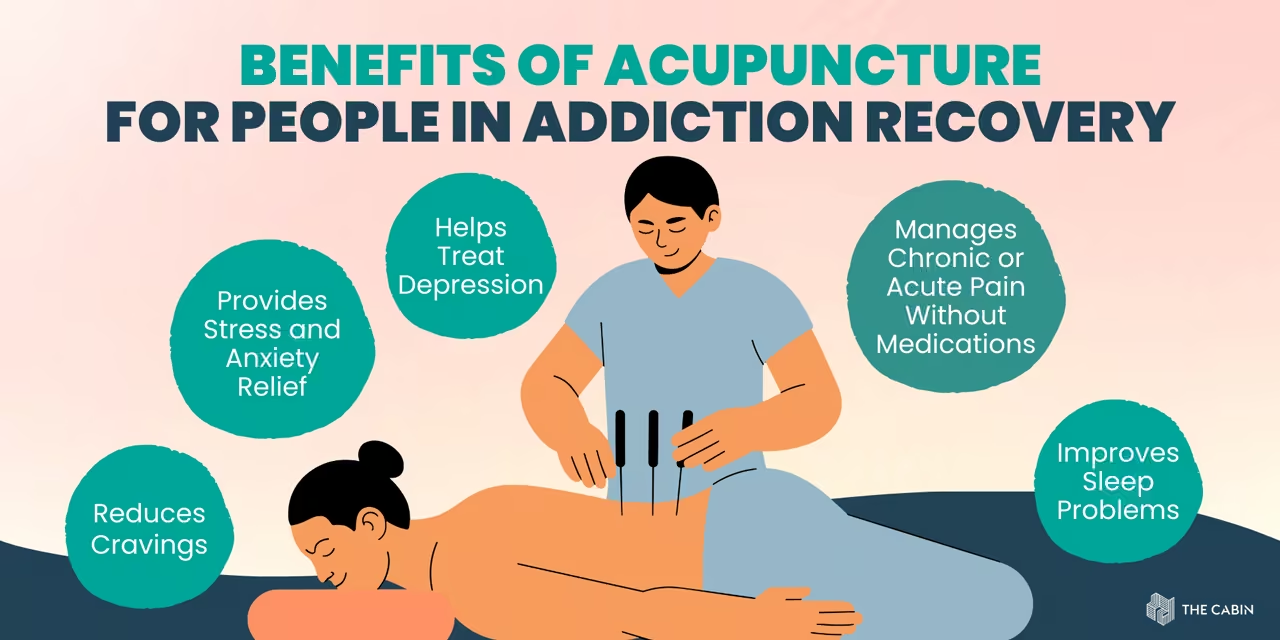
- Reduces Cravings: Stimulation of specific ear and body points influences dopamine regulation, which helps mitigate compulsive urges linked to substance dependence.
- Provides Stress and Anxiety Relief: Activation of calming points lowers cortisol levels and supports emotional stability, which helps ease tension during withdrawal and therapy.
- Helps Treat Depression: Targeted acupuncture sessions support serotonin balance and promote relaxation, which contributes to improved mood and emotional resilience.
- Helps Manage Chronic or Acute Pain Without Medications: Needle stimulation triggers endorphin release, which provides natural pain relief and reduces reliance on pharmaceutical interventions.
- Improves Sleep Problems: Regulation of the nervous system activity through acupuncture supports deeper rest and helps correct disrupted sleep patterns during recovery.
1. Reduces cravings
Reduction of cravings is a wonderful benefit of acupuncture on neurochemical balance, which supports the regulation of dopamine and stabilises endorphin levels. Acupuncture is used within addiction recovery programs to provide additional care for individuals experiencing cravings associated with substance dependence. Cravings emerge from disrupted reward pathways in the brain, where substances create artificial stimulation that leads to compulsive behaviour. Acupuncture targets specific points on the ear and body to influence these pathways and restore a healthy internal equilibrium.
The reduction of cravings contributes to improved emotional stability and greater focus during treatment. Lower craving intensity supports better decision-making and reduces impulsive behaviour, which strengthens one’s engagement in recovery activities. Programs using auricular acupuncture have included points (Shen Men and the Lung point) to support these benefits. Relief from cravings allows individuals to participate fully in therapy, maintain physical comfort, and reduce their risk of relapse. The consistent use of acupuncture in structured settings reflects its value in addressing some of the most persistent challenges in addiction recovery.
2. Provides stress and anxiety relief
Providing stress and anxiety relief is a desired calming effect produced when specific points are stimulated, leading to reduced cortisol levels and increased endorphin release. Acupuncture offers stress and anxiety relief by influencing the body’s nervous system and promoting emotional regulation. Stress and anxiety can interfere with sleep, concentration, and emotional stability, which disrupt recovery efforts and increase one’s vulnerability to relapse.
Relief from stress and anxiety supports clearer thinking, improved mood, and offers greater physical comfort. Lower levels of emotional tension allow individuals to participate more fully in therapeutic activities and maintain their focus during their recovery treatment. Points (Shen Men and Yintang) are used in recovery programs to reduce agitation and support mental clarity. The consistent application of acupuncture in addiction care reflects its value in stabilising emotions and supporting long-term wellness.
3. Helps treat depression
Helping to treat depression is a welcomed benefit of acupuncture, that supports mood regulation through neurochemical balance. Acupuncture helps in addiction recovery programs to support individuals experiencing symptoms of depression. Untreated depression in addicted individuals can lower their energy, increase emotional numbness, and disrupt their sleep patterns. Acupuncture targets specific points that stimulate the release of serotonin and endorphins, which contribute to improved emotional stability and physical comfort.
Relief from depressive symptoms supports clearer thinking, increased motivation, and supports greater engagement in therapeutic activities. An improved mood allows individuals to participate more fully in recovery efforts and maintain their focus during treatment and other therapies. Acupuncture points (Shen Men, Yintang, and Heart 7) are used to support emotional regulation and reduce feelings of sadness. The regular application of acupuncture in addiction treatment highlights its importance in managing emotional issues and promoting a sustained overall sense of well-being.
4. Helps manage chronic or acute pain without medications
Helping to manage chronic or acute pain without medications is a benefit of acupuncture, as it can help to stimulate the body’s natural pain-relieving mechanisms. Acupuncture is used in addiction recovery programs to support individuals experiencing chronic or acute pain without relying solely on medications. Physical pain in recovery results from withdrawal symptoms, past injuries, or stress-related tension. Acupuncture targets specific points that influence nerve pathways and trigger the release of endorphins, which can reduce discomfort and promote relaxation.
Relief from pain without pharmaceutical intervention supports physical comfort, emotional stability, and can contribute to greater participation in therapeutic activities. Reduced reliance on pain medications lowers the risk of dependency and promotes long-term recovery goals. Acupuncture points (Large Intestine 4, Stomach 36, and Spleen 6) are used to address pain in various parts of the body (joints, muscles, and internal organs). Recovery settings consistently use acupuncture to manage pain using natural, non-invasive methods.
5. Improves sleep problems
Improving sleep problems is a great benefit of acupuncture. This type of treatment helps support the body’s internal rhythms and nervous system regulation. Acupuncture has been used in addiction recovery programs to support individuals experiencing sleep disturbances linked to withdrawal, emotional stress, or physical discomfort. Sleep disruptions in early recovery can involve difficulty falling asleep, frequent waking, or shallow rest. Acupuncture targets points that calm the mind, regulate melatonin production, and reduce physical tension.
Improved sleep supports emotional stability, physical healing, and increases greater participation in therapeutic activities. Restorative sleep contributes to clearer thinking, stronger immune function, and better mood regulation. Acupuncture points (Shen Men and Heart 7) are used to support deeper rest and reduce nighttime agitation. The regular use of acupuncture in recovery environments highlights its effectiveness in tackling sleep issues using natural, by utilizing non-drug approaches.
What Happens in an Acupuncture Therapy Session for Addiction?
The process in an acupuncture therapy session for addiction is the steps listed below.
- Start with a consultation. Discuss current symptoms, emotional state, and recovery history to guide point selection and ensure safe treatment. The step helps establish trust and clarify therapeutic goals.
- Insert needles at targeted points. Place fine needles in specific ear or body locations linked to withdrawal management, emotional balance, and nervous system regulation. The process is quiet and non-verbal, and allows a quiet space for reflection.
- Stay throughout the session. Stay seated or reclined for 30 to 45 minutes while the needles remain in place. The environment is kept calm, to support relaxation and internal adjustment.
- Notice physical and emotional sensations. Feelings of warmth, tingling, or emotional releases may occur as the body responds to the stimulation. Patients often report a sense of calm or mental clarity during the session.
- Observe early recovery phase-related reactions. Individuals may experience mild effects such as fatigue, thirst, or emotional shifts as the body begins to process and release stored tension. The reactions reflect internal changes linked to recovery.
- Receive aftercare support. Get recommendations for hydration, rest, and follow-up sessions to maintain progress. Continued care helps reinforce emotional stability and physical comfort.
How Effective Is Acupuncture for Addiction Treatment?
Acupuncture is effective for addiction treatment, but its effectiveness varies depending on the process and type of treatment settings. Acupuncture has shown supportive effects in addiction treatment when used within structured recovery programs. Some trials have reported reductions in cravings, anxiety, and withdrawal symptoms, while others have found no significant difference compared to the control groups. Research on acupuncture for addiction shows promising results and mixed findings, according to the study titled “Acupuncture in Addiction Medicine: Its History, Evidence, and Possibilities” by Jamie M Kitzman, Laura C Bowman, and Yuan-Chi Lin, dated June 15, 2023.
The best outcomes have emerged when acupuncture was integrated into a structured recovery program with multiple treatment modalities. Facilities combining acupuncture with counselling, supervised early recovery, and peer support have reported stronger engagement and greater emotional stability. The presence of multiple therapeutic elements (medication-assisted treatment, behavioural therapy, and community support) can create a more reliable foundation for recovery. Acupuncture contributes positively by addressing physical discomfort and emotional imbalance without relying on pharmaceuticals alone. Programs using the National Withdrawal Management (NADA) protocol have included ear points linked to withdrawal management and stress relief, reinforcing acupuncture’s role in comprehensive care.
How Safe Is Acupuncture for Addiction Therapy?
Acupuncture for addiction therapy is a safe practice when performed under proper supervision by a trained and licensed professional. The procedure involves the insertion of fine needles into specific points, which may lead to mild side effects (slight bruising, temporary soreness, or brief fatigue). However, these reactions resolve quickly and do not interfere with daily activities. Medical practitioners follow strict hygiene protocols and possess training that ensures accurate needle placement and safe handling of physical responses.
Safety increases when acupuncture is integrated into a medically supervised treatment plan. The method does not conflict with prescribed medications when monitored by healthcare professionals. Programs combining acupuncture with counselling, early recovery phase support, and medication management have reported favourable outcomes, without adverse interactions. The presence of trained staff and structured care contributes to the reliability of acupuncture as part of addiction recovery.
At The Cabin, We Support Your Recovery Journey
If you or someone you care about is suffering with an addiction issue, call us and our caring clinical team will give you a free no-obligation assessment.

The Cabin Clinical Team
Our team boasts over 10 years of experience working with individuals struggling with addiction and mental health challenges. This extensive experience allows us to provide comprehensive assessments, develop personalized treatment plans, and deliver evidence-based interventions tailored to meet your unique needs.