No, Naproxen is not considered an addictive medication. Naproxen is a nonsteroidal anti-inflammatory drug (NSAID) that reduces hormones in the body responsible for inflammation and pain. The medication is available in over-the-counter forms and higher-dose prescription versions. Naproxen does not cause compulsive drug-seeking behavior, psychological dependence, or physical dependence, unlike other opioid medications. Taking too much naproxen can lead to harmful health effects, such as gastrointestinal bleeding, kidney damage, or cardiovascular risks, but these risks are due to overuse rather than true drug dependence.
Naproxen is commonly used for arthritis pain, muscle aches, back pain, menstrual cramps, headaches, fever, and general pain relief from injuries or minor surgeries. The medication belongs to the propionic acid class of NSAIDs, which includes Ibuprofen. These NSAIDs work by blocking cyclooxygenase (COX) enzymes that produce prostaglandins, chemicals that trigger inflammation, pain, and fever. The medication is recognized under the common brand name Aleve, though it is sold under prescription names such as Naprosyn and Anaprox. Naproxen addiction is not a recognized medical condition, but the term is sometimes used informally to describe the harmful habit of overusing the drug.
Can you get Addicted to Naproxen?
No, you cannot get addicted to Naproxen in the traditional sense. Naproxen does not activate the brain’s reward system.It does not cause euphoria, withdrawal, or cravings that define addictive substances. Naproxen does not cause psychological dependence or physical dependence, but some patients may develop a habit of overusing it for pain relief. The medication blocks inflammation pathways rather than altering brain chemistry, so any sense of “dependence” is considered habitual use rather than actual medical dependence. Factors that can increase the risk of misuse may include chronic pain conditions that encourage continuous use, the mistaken belief that higher doses provide stronger relief, and the easy over-the-counter availability that makes risks seem minimal. The patterns may be described as “Naproxen overuse” rather than “Naproxen addiction,” since true addiction is not medically recognized with Naproxen.
Long-term Naproxen use may affect how the body manages stress and pain. Naproxen did not significantly influence the hypothalamic-pituitary-adrenal (HPA) axis in healthy individuals, according to the research “Effect of Naproxen on the hypothalamic–pituitary–adrenal axis in healthy volunteers” by Eijsbouts in January 2009. Patients with ongoing pain conditions may experience changes in hormone levels, including cortisol, and Adrenocorticotropic Hormone (ACTH), when using NSAIDs like Naproxen. The hormonal shifts can interfere with natural stress response and reduce the body’s ability to manage pain without medication, which may explain why some patients gradually increase their use over time. The outcome may represent tolerance to pain relief rather than addiction or dependence.
Is Naproxen a narcotic?
No, Naproxen is not a narcotic. Naproxen belongs to the nonsteroidal anti-inflammatory drug (NSAID) family, which works differently from narcotic painkillers like opioids. Narcotics act on the brain’s opioid receptors, causing euphoria and dependence, while naproxen reduces inflammation by blocking enzymes called cyclooxygenase (COX), without changing brain chemistry in ways that lead to addiction.
How Long Does it Take to Become Addicted to Naproxen?
Naproxen does not cause addiction in the traditional sense, so there is no specific timeline for becoming addicted to Naproxen. Naproxen does not create physical cravings, withdrawal symptoms, or activate the brain’s reward system, unlike opioids or other controlled substances. Medical evidence shows that Naproxen does not lead to psychological or physical dependence, though some users may develop a habit of overusing it for chronic pain relief. The pattern of frequent NSAID use is common. Approximately 72 million people in the United States used an NSAID three or more times a week for at least three consecutive months, according to “Trends in the use of aspirin and nonsteroidal anti-inflammatory drugs in the general U.S. population” by Zhou, Boudreau, and Freedman in 2014.
The feeling of reliance on Naproxen can vary depending on chronic pain conditions, frequency of use, and dosage. Some individuals may perceive they need Naproxen after several weeks or months of regular use, but it is considered habitual use rather than actual dependence or addiction. Stopping Naproxen does not result in withdrawal symptoms, unlike other controlled substances. Any discomfort after the discontinuation usually comes from the return of untreated pain or inflammation, not from drug dependence.
Why is Naproxen Addictive like Narcotics or other Steroids?
Naproxen is not addictive like narcotics or steroids and does not cause psychological or physical dependence. Naproxen works by blocking cyclooxygenase (COX) enzymes that produce inflammatory compounds, unlike opioids such as morphine that act directly on the brain’s reward system to create euphoria, cravings, and withdrawal symptoms. Opioids mimic natural opioid peptides by interacting with specific brain receptors, while NSAIDs like Naproxen function through entirely different biochemical pathways, according to the study “Mechanisms of actions of opioids and non-steroidal anti-inflammatory drugs” by McCormack (1997). Naproxen does not trigger compulsive drug-seeking behavior or lead to dependence, because it does not alter brain chemistry related to reward and reinforcement. The comparison to narcotics is inaccurate, since Naproxen use generally stays within therapeutic levels and does not result in true addiction.
Naproxen and steroid addiction are fundamentally different. Anabolic steroids can cause dependence when users feel they cannot perform or maintain a body image without them, while Naproxen does not produce psychological or physical reliance. Reports of NSAID misuse are extremely rare, and “NSAID use disorder” is not a recognized medical condition. The key difference is that steroid addiction involves escalating doses and compulsive use, despite harmful effects, whereas Naproxen use typically remains therapeutic and does not result in addiction.
What are the Long-Term Side Effects of Naproxen?
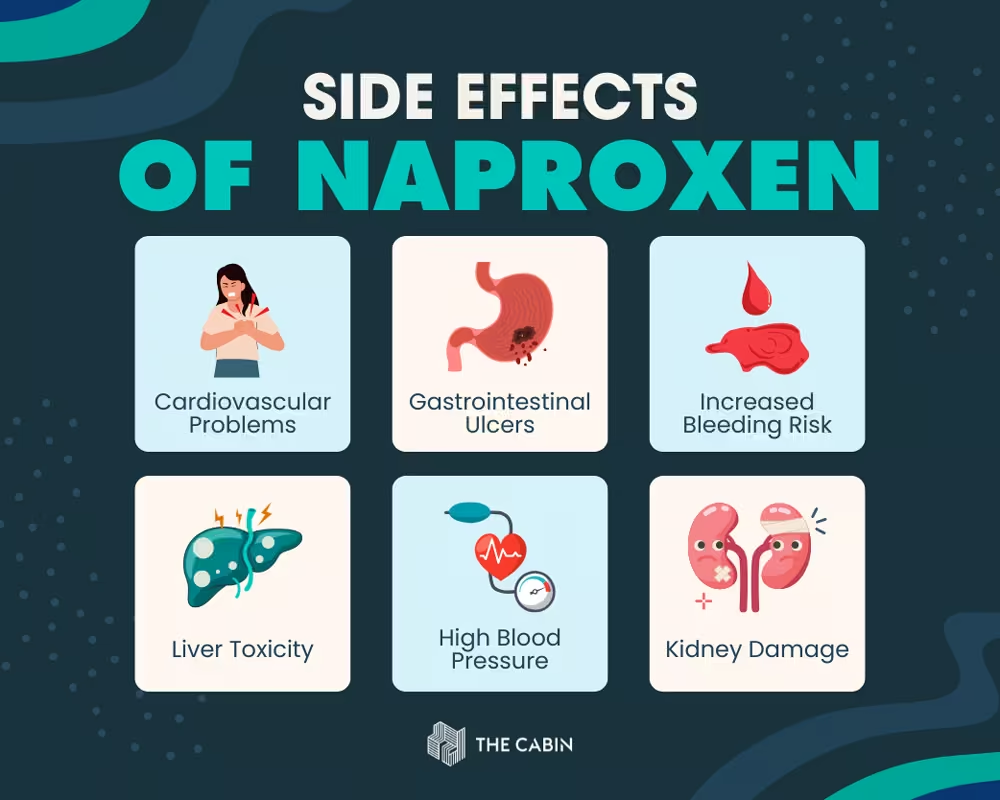
The long-term side effects of Naproxen are listed below.
- Cardiovascular Problems (Heart Attack and Stroke): Naproxen can increase the risk of heart attack or stroke when taken for more than six months or at doses higher than recommended. Older adults, people with existing heart disease, or patients with high blood pressure face higher risks. Cardiovascular risk correlates with cyclooxygenase selectivity, and Naproxen has lower cardiovascular risk than other NSAIDs, according to the research titled “Clinical Pharmacology and Cardiovascular Safety of Naproxen” by Antman in 2016. Approximately 1% to 2% of long-term Naproxen users experience cardiovascular complications. Cardiovascular problems are one of the key Naproxen side effects long term.
- Gastrointestinal Ulcers and Bleeding: Naproxen can lead to ulcers, bleeding, or perforation in the stomach or intestines, which may become life-threatening. The damage occurs because Naproxen reduces protective stomach chemicals called prostaglandins. Adults over 60, patients with a history of ulcers, frequent alcohol users, or patients taking blood thinners face higher risks. Gastrointestinal symptoms and patient history do not reliably predict who develops ulcers, according to the research titled “Predictive value of gastrointestinal symptoms and patient risk factors for NSAID-associated gastrointestinal ulcers defined by endoscopy” by Sostres in 2023. Approximately 2% to 4% of long-term Naproxen users develop gastrointestinal ulcers or bleeding.
- Kidney Damage and Renal Failure: Naproxen can reduce blood flow to the kidneys, leading to diminished kidney function or acute renal failure. Dehydration, existing kidney disease, diabetes, heart failure, and older age increase the likelihood of the complication. Acute renal failure affects about 1% to 3% of patients who use Naproxen chronically for longer than six months.
- Liver Toxicity: Naproxen can elevate liver enzymes and cause liver abnormalities when taken for long periods. Patients with liver disease, frequent alcohol consumption, or use of other liver-stressing drugs are more likely to experience the effect. Taking higher-than-recommended doses increases the risk. Approximately 1% to 2% of long-term Naproxen users show elevated liver enzyme levels, which signal liver stress.
- High Blood Pressure: Naproxen may raise blood pressure through fluid retention and its effects on the kidneys. Hypertension is more common in patients with borderline hypertension, kidney disease, or patients using naproxen regularly for several months. Approximately 3% to 5% of long-term naproxen users develop higher blood pressure, within two to four weeks of regular use.
- Increased Bleeding Risk: Naproxen makes blood clotting less effective by reducing platelet function, which increases the risk of bleeding. Patients taking blood thinners, with clotting disorders, or undergoing surgery are at higher risk. Naproxen sodium did not lead to substantially more upper gastrointestinal tract bleeding than Ibuprofen during short-term use, according to the research “Gastrointestinal tract bleeding associated with Naproxen sodium vs Ibuprofen” by Hawkey in 1998. Approximately 2% to 3% of long-term naproxen users experience bleeding issues such as easy bruising, prolonged bleeding from cuts, or internal bleeding.
Does Drinking Alcohol Increase Naproxen Side Effects?
Yes, drinking alcohol increases Naproxen side effects. Alcohol and Naproxen interact negatively inside the body by simultaneously attacking the stomach’s protective mechanisms. Alcohol directly irritates the stomach lining and increases acid production. Naproxen blocks prostaglandins, the body’s natural chemicals that protect the stomach from acid damage. The dual effect weakens the stomach’s natural barrier and heightens irritation, creating a perfect storm for gastrointestinal problems.
Consuming even one drink per day can increase the risk of gastrointestinal bleeding associated with NSAID use by about 37%, according to the research “Identification of non-steroidal anti-inflammatory drug use disorder: A case report” by Godersky, Vercammen, and Ventura in February 2017. Health risks of mixing Naproxen and alcohol include severe stomach bleeding, gastritis, peptic ulcers, liver damage, and higher chances of kidney issues. Avoiding alcohol entirely while taking Naproxen is strongly recommended, as the combination elevates the likelihood of life-threatening complications and emergency medical treatment, making it unsafe to drink alcohol with Naproxen.
Can you Drink Alcohol While Taking Naproxen?
No, you cannot drink alcohol while taking Naproxen, it must be avoided. Alcohol increases the risk of stomach ulcers and bleeding, and combining it with Naproxen amplifies the dangers, putting the digestive system at serious risk.
What Happens if you Snort Naproxen?
Severe nasal irritation, chemical burns, bleeding, and tissue damage can happen if you snort Naproxen, making the practice extremely dangerous. Snorting Naproxen will damage the nasal passages, sinuses, and lining of the nose, which may lead to chronic sinus infections, a misshapen nose, permanent loss of smell, lung infections, or even pneumonia if the powder gets into the lungs. The acidic ingredients and fillers in crushed Naproxen tablets cause immediate burning, swelling, and the wall between the nostrils can even get holes from repeated snorting.
The snorting method does not provide any health benefit because Naproxen is meant to be swallowed, and snorting it lowers its effectiveness while increasing serious health risks. Nasal tissue and septum death occurred after snorting crushed over-the-counter pain medications, according to the study “Intranasal Acetaminophen Abuse and Nasal, Pharyngeal, and Laryngotracheal Damage” by Labus et al. in 2019. Snorting Naproxen shows a practice that is useless medically, but can be life-threatening due to serious nose and lung damage.
Can you Get High on Snorting Naproxen?
No, you cannot get high from snorting Naproxen. Naproxen is a nonsteroidal anti-inflammatory drug (NSAID) that reduces inflammation and pain without affecting the brain’s reward system or neurotransmitters that cause euphoria. Naproxen produces no relaxation, altered mental state, or pleasurable sensations, unlike opioids, stimulants, or other psychoactive drugs. Trying to achieve a “Naproxen high” by snorting the NSAID drug results only in severe burning, nosebleeds, tissue damage, and potential permanent nasal injury. The NSAID drug works by blocking COX enzymes, which do not impact dopamine, serotonin, or other brain chemicals responsible for feeling high. Snorting Naproxen provides no recreational benefit and only causes serious harm to the nasal passages.
What is Naproxen Addiction?
Naproxen addiction is not a recognized medical condition, since Naproxen does not cause psychological dependence or physical dependence in the way addictive drugs like opioids or benzodiazepines do. The question “Is Naproxen addicting?” often arises because some individuals may develop a habit of overusing Naproxen for chronic pain relief, but it is considered habitual or excessive use rather than true addiction. Naproxen is commonly prescribed for short-term relief of acute pain conditions (sprains, dental pain, or minor injuries), with typical prescriptions lasting 7 to 14 days.
The NSAID is used long-term for chronic conditions like arthritis, but prolonged use carries risks of medical complications such as gastrointestinal bleeding, kidney problems, or cardiovascular issues, not drug dependence. Short-term use does not lead to addiction, while long-term daily use may create a pattern of overreliance on the drug for pain control, which some may mistakenly refer to as “Naproxen addiction,” though it is not clinically accurate.
Why do some People Experience Naproxen Addiction?
Some people describe experiencing “Naproxen addiction” because long-term use for chronic conditions (arthritis or persistent back pain) can lead to habitual overuse rather than true addiction. Naproxen does not cause psychological dependence or physical dependence in the way opioids or narcotics do, since it does not affect the brain’s reward system or create cravings. Users might instead become dependent on its pain-relieving effects and feel the need to take it regularly to manage everyday pain, which is better described as habitual use or misuse rather than medical addiction.
Addiction or dependence on Naproxen is not recognized in clinical terms and remains relatively rare. A few cases of NSAID misuse have been reported. For example, approximately 2.5% of NSAID users scored positive for abuse at least once during a 12-month follow-up, compared to 2.7% for Tramadol and 4.9% for Hydrocodone, according to the research study “A Comparison of the Abuse Liability of Tramadol, NSAIDs, and Hydrocodone in Patients with Chronic Pain” by Edgar H. Adams in May 2006. Reports of NSAID misuse and NSAID use disorder remain rare, as shown in the research “Identification of non-steroidal anti-inflammatory drug use disorder: A case report” by Godersky, Vercammen, and Ventura in February 2017. It suggests that what is sometimes referred to as Naproxen addiction more accurately reflects misuse or overuse, not actual chemical dependence.
Why can Naproxen be Addictive for Aleve Users?
Aleve is not addictive in the same way that opioids or stimulants are, and it does not cause psychological or physical dependence. Naproxen, the active ingredient in Aleve, does not activate the brain’s reward system, produce euphoria, or create cravings that define addictive substances. However, some Aleve users with chronic pain conditions (arthritis or persistent back pain) may develop a habit of relying on the medication for daily pain relief. The pattern is better described as habitual use or overuse, rather than true addiction.
Long-term or excessive use can lead to harmful side effects (gastrointestinal bleeding, kidney damage, or cardiovascular risks), but these outcomes are medical complications of overuse, not signs of dependence. NSAIDs like Naproxen have little to no abuse potential compared to opioids, according to the research study “A Comparison of the Abuse Liability of Tramadol, NSAIDs, and Hydrocodone in Patients with Chronic Pain” by Edgar H. Adams in May 2006. The term “Aleve addiction” is sometimes used informally, but medically it refers only to problematic overuse and not to true chemical addiction.
What are the Symptoms of Naproxen Addiction?
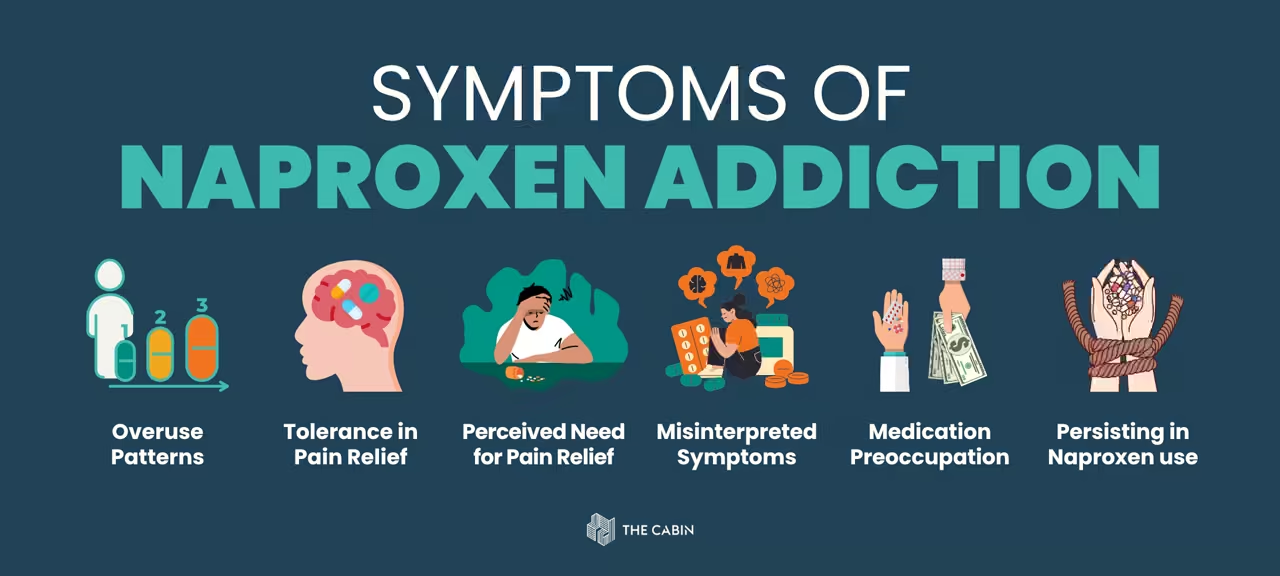
The symptoms of Naproxen Addiction are listed below.
- Habitual Overuse Patterns: Taking Naproxen more frequently than recommended, increasing doses without medical guidance, or relying on it for every minor ache or pain.
- Perceived Need for Pain Relief: Feeling unable to manage daily discomfort without Naproxen and becoming anxious about not having the medication available, even though it is not an actual psychological dependence.
- Rebound or Misinterpreted Symptoms: Experiencing headaches, stomach upset, or return of pain when stopping Naproxen, which may feel like “withdrawal” but are either the recurrence of pain or side effects of discontinuation.
- Tolerance in Pain Relief: Noticing reduced effectiveness over time, leading to higher or more frequent doses to get the same level of relief, which increases health risks but does not indicate addiction.
- Medication Preoccupation: Closely monitoring pill supply, worrying about running out, or keeping extra Naproxen on hand “just in case,” reflecting reliance on medication rather than drug-seeking behavior.
- Continued Use Despite Health Risks: Persisting in Naproxen use despite side effects (stomach pain, nausea, or medical advice to stop), which suggests problematic use rather than actual addictive behavior.
What are the Behavioral Symptoms of Naproxen Addiction?
The behavioral symptoms of Naproxen Addiction are listed below.
- Doctor Shopping: Naproxen users visit multiple doctors to get extra prescriptions without revealing existing medication use. The behavior causes Naproxen users to feel anxious about running out of pills. Doctor shopping occurs in approximately 15% to 20% of prescription drug users. NSAID misuse patterns include seeking multiple prescriptions, according to “Identification of non-steroidal anti-inflammatory drug use disorder: A case report” by Godersky, Vercammen, and Ventura in February 2017.
- Medication Hoarding: Naproxen users collect and store more pills than needed, often hiding them at home, work, or vehicles. The behavior causes Naproxen users to feel stressed when their supply is low. Medication hoarding affects approximately 10% to 15% of prescription drug users. Excessive NSAID accumulation helps avoid running out.
- Lying About Pain: Naproxen users exaggerate or fabricate pain symptoms to doctors, family, or employers to justify continued use. The behavior causes Naproxen users to feel guilty and anxious, but maintains access to the medication. Lying about pain occurs in 25% to 30% of prescription drug users. Misrepresentation of pain is common in pain medication misuse.
- Social Isolation: Naproxen users withdraw from social activities and relationships to hide excessive medication use. The behavior causes Naproxen users to feel lonely and secretive. Social isolation impacts 40% to 50% of prescription drug users. Secretive medication use is a hallmark of substance misuse.
- Compulsive Pill Counting: Naproxen users obsessively count their pills and track exact dosing schedules. The behavior causes Naproxen users to feel anxious and preoccupied with medication management. Compulsive pill counting occurs in 60% to 70% of prescription drug users. Obsessive medication management indicates psychological dependence.
- Financial Strain: Naproxen users spend excessive money on over-the-counter or private prescriptions, prioritizing medication over essentials. The behavior causes Naproxen users to feel financial stress and guilt. Financial strain affects 20% to 30% of prescription drug users. NSAID misuse is uncommon but can cause financial problems, according to “Identification of non-steroidal anti-inflammatory drug use disorder: A case report” by Godersky, Vercammen, and Ventura in February 2017.
What are the Psychological Symptoms of Naproxen Addiction?
The psychological symptoms of Naproxen Addiction are listed below.
- Anxiety When Medication is Unavailable: Naproxen users experience intense panic and helplessness when Naproxen pills are not immediately available, constantly worrying about coping with pain. The symptom impacts 70% to 80% of prescription drug users. Anxiety symptoms are common in NSAID dependence patterns.
- Obsessive Thoughts About Pain and Medication: Naproxen users develop persistent, intrusive thoughts about pain levels and when the next Naproxen dose can be taken, making it difficult to focus on work, school, or home responsibilities. Obsessive thoughts occur in 60% to 65% of Naproxen users with psychological drug dependence. Preoccupation with medication timing indicates psychological dependence.
- Depression and Mood Changes: Naproxen users may experience depressive episodes, irritability, and mood swings when Naproxen is unavailable or usage is reduced. Depression and mood changes affect 40% to 50% of prescription medication users. NSAIDs can exacerbate psychiatric symptoms, according to “Nonsteroidal anti-inflammatory drugs and severe psychiatric side effects” by Brune et al. in 1995.
- Fear of Pain Without Medication: Naproxen users develop an overwhelming fear that functioning becomes impossible or pain becomes unbearable without naproxen, even for minor discomfort. The symptom occurs in 85-90% of users with psychological dependence on Naproxen. Fear of pain drives continued medication use, chronic pain, and addiction research patterns.
- Loss of Confidence in Natural Pain Management: Naproxen users lose faith in the body’s ability to manage inflammation or pain naturally, becoming convinced that Naproxen is essential for daily functioning. The symptom affects 50-60% of long-term Naproxen users. NSAIDs like naproxen impact anxiety and depression, according to “Population scale retrospective analysis reveals distinctive antidepressant and anxiolytic effects of diclofenac, ketoprofen and Naproxen in patients with pain” by Kohler et al. in 2018.
- Cognitive Distortions About Medication Need: Naproxen users develop distorted thinking that exaggerates the need for Naproxen and minimizes the risks of continued use, dismissing advice from family or healthcare providers. Cognitive distortions occur in 75% to 80% of users with substance use disorders. NSAID misuse includes distorted thinking patterns about medication, according to “Identification of non-steroidal anti-inflammatory drug use disorder: A case report” by Godersky, Vercammen, and Ventura in February 2017.
What are the Physical Symptoms of Naproxen Addiction?
The physical symptoms of Naproxen addiction are listed below.
- Rebound Headaches: Naproxen users who take the medication frequently for headache relief experience worsening headaches when doses are missed or stopped, causing intense head pain that exceeds the original severity. Rebound headaches occur in approximately 80% to 90% of patients who overuse headache medications, including Naproxen, according to “Medication overuse headache” by The Migraine Trust in 2025.
- Gastrointestinal Distress: Patients discontinuing long-term Naproxen use may feel nausea, stomach cramps, diarrhea, and general digestive upset. Gastrointestinal withdrawal symptoms affect roughly 40% to 50% of chronic Naproxen users, according to “Nonsteroidal anti-inflammatory drugs and upper and lower gastrointestinal mucosal damage” by Sostres, Gargallo, and Lanas in July 24, 2013.
- Increased Pain Sensitivity (Hyperalgesia): Naproxen users experience heightened sensitivity to pain when medication levels drop, making minor discomfort feel unbearable. Pain sensitivity increases occur in approximately 60% to 70% of patients with Naproxen dependence patterns, though specific research on Naproxen hyperalgesia is limited.
- Sleep Disturbances: Patients attempting to reduce or miss Naproxen doses face insomnia, restless sleep, and frequent waking, leading to physical exhaustion and discomfort. Sleep problems affect roughly 50% to 60% of chronic Naproxen users during withdrawal.
- Physical Tolerance (No True Dependence): Long-term Naproxen therapy does not create true physical dependence, so patients do not experience classic withdrawal symptoms (sweating, shaking, or seizures). Some patients may feel the need for higher doses due to underlying condition progression rather than tolerance, according to clinical pharmacology research on “Naproxen: uses, dosing, warnings, adverse events, interactions” in 2024.
- Rebound Inflammation: Patients stopping Naproxen after extended use may experience temporary worsening of original inflammatory conditions, causing increased swelling, stiffness, and discomfort. Rebound inflammation affects approximately 30% to 40% of long-term Naproxen users, based on clinical observations of NSAID withdrawal patterns.
What are the Withdrawal Symptoms of Naproxen Addiction?
The withdrawal symptoms of Naproxen addiction are listed below.
- Rebound Pain and Inflammation: Stopping Naproxen brings back the original pain or swelling it was meant to control. The discomfort can feel stronger than before, since the body is used to its effects. The rebound effect is prevalent, appearing in almost everyone who stops long-term Naproxen use, according to the research study “Antidepressant Discontinuation Syndrome: Symptoms” by CH Warner in August 2006.
- Severe Headaches: Strong headaches that may lead to nausea, vomiting, or shivering can occur when Naproxen use ends suddenly. The rebound headaches are moderately common, impacting about 30% to 50% of frequent NSAID users, according to the research study “Single dose oral Naproxen and Naproxen sodium for acute postoperative pain (Review)” by McQuay, C. Derry, S. Derry, and Moore on January 21, 2009.
- Physical Discomfort and Mood Changes: Patients may feel general discomfort, irritability, or changes in mood after stopping Naproxen. The symptoms are fairly common, showing up in 20% to 40% of individuals who stop the medication, according to the research study “Comparison of the analgesic efficacy and safety of nonprescription doses of Naproxen sodium and Ibuprofen in the treatment of osteoarthritis of the knee” by Schiff and Minic in July 2004.
- Blood Pressure Changes: Naproxen, like other NSAIDs, can influence blood pressure, and stopping it may cause fluctuations. The reaction is less common, affecting about 10% to 15% of people, especially patients with heart or circulation problems.
- Gastrointestinal Upset. Some users may experience stomach discomfort, nausea, or digestive changes when Naproxen is discontinued. The symptoms are less common than others, affecting 15% to 25% of regular users, according to the research study “What a Pain in the … Back: A Review of Current Treatment Options with a Focus on Naproxen Sodium” by Weisman, Ciavarra, and Cooper on February 7, 2024.
How Long does Naproxen Withdrawal Last?
Naproxen withdrawal-like symptoms generally last between 3 and 10 days, with the most noticeable rebound effects appearing in the first 2 to 3 days. Naproxen does not cause true physical or psychological dependence, but users who stop taking it after frequent or long-term use may experience rebound headaches, pain flare-ups, or discomfort. The NSAID drug clears from the body in around 93.5 hours (approximately 4 days), and symptoms often begin to ease around that point. Most users feel improvement after about one week, though in cases of long-term or high-dose use, some discomfort may continue for up to two weeks. The most intense rebound headache phase has been observed on the second day, according to the research study “Treatment of Withdrawal Headache in Patients with Medication Overuse Headache: A Pilot Study” by Cevoli, Giannini, and Favoni in 2017.
What Factors can Increase the Duration of Naproxen Withdrawal?
The factors that can increase the duration of Naproxen withdrawal-like symptoms include higher doses taken over many months or years, which lead to more prolonged and more difficult symptoms. Patients with chronic pain conditions may experience longer withdrawal because their original pain returns when Naproxen is stopped, making recovery slower. Older adults may have longer withdrawal timelines since their bodies take more time to process and clear the drug. Abruptly stopping Naproxen instead of tapering the dose can cause stronger and longer-lasting withdrawal effects. Health conditions (kidney disease, heart disease, or stomach problems) can extend the process because the body struggles to adjust without the medication.
What Happens if You Overdose on Naproxen?
Stomach pain, nausea, vomiting, drowsiness, and dizziness happen if you overdose on Naproxen, while substantial amounts can lead to life-threatening complications. Severe overdoses may produce altered mental status, coma, seizures, digestive tract bleeding, kidney failure, acidosis, and liver damage with elevated enzymes. Health risks include dangerously low blood pressure, metabolic acidosis, and potential death. Massive overdose cases, such as a patient ingesting 70 grams of Naproxen, resulted in seizures, kidney failure requiring dialysis, and critically high blood acid levels, requiring intensive care and mechanical ventilation, according to the research “Massive Naproxen Overdose with Serial Serum Levels” by Levine Et Al. in 2015.
Can Naproxen Abuse Cause Long-Term Health Problems?
Yes, chronic Naproxen abuse can cause long-term health problems (heart attacks, strokes, and stomach ulcers). Long-term use affects patients with preexisting heart conditions and may cause severe bleeding without warning signs. Naproxen’s prolonged impact on organs and cardiovascular health makes extended misuse particularly dangerous.
Why can Naproxen be Addictive Even at Low Doses?
Naproxen is not addictive. However, it can create a dependency-like cycle even at low doses because regular use leads to rebound pain or medication-overuse headaches, where headache frequency and intensity increase when the drug wears off. The anti-inflammatory effects of Naproxen alter the body’s natural pain management, so recurring use, even at recommended doses, can make the system less effective without the drug. Cumulative exposure over time drives the pattern more than the size of individual doses, creating a cycle of frequent consumption to manage worsening pain. Risks include increased headache frequency, gastrointestinal discomfort, and potential kidney or liver strain from long-term use. Patients who overuse NSAIDs for chronic headaches develop escalating symptoms and frequent medication use, according to the research study “Medication-Overuse Headache” by StatPearls in 2025.
Can 500mg of Naproxen make you High?
No, 500mg of Naproxen cannot make you high. Naproxen does not have psychoactive properties and does not affect the brain’s reward centers to produce euphoria, because it is a nonsteroidal anti-inflammatory drug (NSAID) that reduces pain and inflammation in the body. Naproxen 500mg stays in the system for about 93.5 hours after the last dose, with an elimination half-life of 12 to 17 hours. This means it takes roughly 4 days to be fully cleared from the body. Naproxen 500mg is not a narcotic, as it works differently from opioids that bind to brain receptors to relieve pain and cause potential euphoric effects.
Is Naproxen a controlled substance?
No, Naproxen is not a controlled substance. Naproxen is available over-the-counter in lower doses and by prescription in higher doses. There are no special restrictions, because it does not cause psychological dependence or recreational effects.
What are the Symptoms of a Naproxen Overdose?
The treatments for Naproxen Addiction are listed below.
- Immediate Drug Withdrawal: Healthcare professionals advise stopping Naproxen or gradually lowering the dose to break the cycle of rebound pain. The method is effective, and headaches can improve within 2 to 10 days. Immediate withdrawal is needed when Naproxen is used for headaches for more than 15 days per month.
- Bridge Therapy/Transitional Treatment: Prescribed treatments (corticosteroids, nerve blocks, anti-nausea medicines, or short-term NSAIDs) help manage headache pain and withdrawal side effects. The approach is moderately effective and required when severe withdrawal symptoms (nausea, vomiting, or restlessness) occur.
- Hospitalization for Severe Cases: Inpatient care provides 24-hour medical supervision for patients with high-dose Naproxen use or co-occurring mental health conditions (depression or anxiety). Hospitalization has high success rates and is necessary for complex or high-risk cases.
- Preventive Medications: Daily medicines (topiramate, amitriptyline, propranolol, or verapamil) help prevent headaches after Naproxen withdrawal. The medications show good long-term success and are needed to reduce the risk of relapse.
- Calcitonin Gene-Related Peptide (CGRP) Inhibitors: Monoclonal antibodies (erenumab, galcanezumab, fremanezumab, or eptinezumab) target migraine pathways and are effective for preventing migraines. CGRP inhibitors are needed when traditional preventive medications fail in Naproxen-dependent migraine patients.
- Botox Injections: OnabotulinumtoxinA injections reduce headache frequency and severity by blocking pain signals and paralyzing specific muscles. Effectiveness ranges from moderate to good, and Botox is needed when oral preventive medications do not work.
- Cognitive Behavioral Therapy (CBT): CBT teaches coping strategies, healthy habits, and headache diary use to manage triggers. It has good long-term success for preventing relapse and is needed for patients showing psychological dependence or difficulty managing headache triggers.
- Supportive Care During Withdrawal: Rest, hydration, anti-nausea medicines, reducing activities, and using hot or cold packs can help manage withdrawal discomfort. Supportive care has moderate effectiveness and may be needed for patients undergoing Naproxen withdrawal, as symptoms ease within seven days but may take up to three weeks to resolve fully.
What are the Treatments for Naproxen Addiction?
The treatments for Naproxen Addiction are listed below.
- Immediate Drug Withdrawal: Healthcare professionals advise stopping Naproxen or gradually lowering the dose to break the cycle of rebound pain. The method is effective, and headaches can improve within 2 to 10 days. Immediate withdrawal is needed when Naproxen is used for headaches for more than 15 days per month.
- Bridge Therapy/Transitional Treatment: Prescribed treatments (corticosteroids, nerve blocks, anti-nausea medicines, or short-term NSAIDs) help manage headache pain and withdrawal side effects. The approach is moderately effective and required when severe withdrawal symptoms (nausea, vomiting, or restlessness) occur.
- Hospitalization for Severe Cases: Inpatient care provides 24-hour medical supervision for patients with high-dose Naproxen use or co-occurring mental health conditions (depression or anxiety). Hospitalization has high success rates and is necessary for complex or high-risk cases.
- Preventive Medications: Daily medicines (topiramate, amitriptyline, propranolol, or verapamil) help prevent headaches after Naproxen withdrawal. The medications show good long-term success and are needed to reduce the risk of relapse.
- Calcitonin Gene-Related Peptide (CGRP) Inhibitors: Monoclonal antibodies (erenumab, galcanezumab, fremanezumab, or eptinezumab) target migraine pathways and are effective for preventing migraines. CGRP inhibitors are needed when traditional preventive medications fail in Naproxen-dependent migraine patients.
- Botox Injections: OnabotulinumtoxinA injections reduce headache frequency and severity by blocking pain signals and paralyzing specific muscles. Effectiveness ranges from moderate to good, and Botox is needed when oral preventive medications do not work.
- Cognitive Behavioral Therapy (CBT): CBT teaches coping strategies, healthy habits, and headache diary use to manage triggers. It has good long-term success for preventing relapse and is needed for patients showing psychological dependence or difficulty managing headache triggers.
- Supportive Care During Withdrawal: Rest, hydration, anti-nausea medicines, reducing activities, and using hot or cold packs can help manage withdrawal discomfort. Supportive care has moderate effectiveness and may be needed for patients undergoing Naproxen withdrawal, as symptoms ease within seven days but may take up to three weeks to resolve fully.
What are the Treatments for a Naproxen Overdose?
The treatments for a Naproxen Overdose are listed below.
- Activated Charcoal: Activated charcoal binds to Naproxen in the stomach and intestines to prevent absorption into the bloodstream. The treatment is moderately effective when given within 1 to 2 hours of ingestion. It is needed for patients who have taken large amounts of Naproxen shortly before arriving at medical care. Activated charcoal helps limit the progression of signs of Naproxen overdose, according to the research “Gastrointestinal dialysis study” by Litovitz and Troutman.
- Airway Support and Oxygen: Maintaining proper oxygen levels and ventilation prevents death from respiratory failure in severe Naproxen overdose. The treatment has high effectiveness and is needed when patients show slow, labored breathing, wheezing, or loss of consciousness, according to the research “Management of NSAID Overdose” by Goldfrank in 2011.
- IV Fluids and Electrolyte Management: IV fluids support kidney function and help flush Naproxen from the body, reducing the risk of kidney damage. The treatment has good effectiveness and is needed for hospitalized overdose patients, lasting 12-24 hours, according to the research “Treatment of NSAID Overdose with IV Fluids” by Rumack in 2010.
- Vital Signs Monitoring: Continuous monitoring of heart rate, blood pressure, breathing, and temperature allows early detection of dangerous changes and prevents complications. The treatment has high effectiveness and is needed for Naproxen overdose patients, continuing 4 hours for standard-release and 8 hours for extended-release forms, according to the research “Identification of non-steroidal anti-inflammatory drug use disorder: A case report” by Godersky, Vercammen, and Ventura in February 2017.
- Symptomatic Treatment with Medications: Anti-nausea drugs, acid blockers, and seizure medications address vomiting, stomach bleeding, or seizure complications, improving patient comfort and recovery. The treatment shows good effectiveness and is needed when specific symptoms appear, taking several days depending on severity, according to the research “Management of NSAID Toxicity Symptoms” by Litovitz and Klein-Schwartz in 2012.
- Kidney Dialysis (Hemodialysis): Hemodialysis provides kidney support in severe overdose but has limited effectiveness in removing naproxen due to protein binding. The treatment is needed only in severe kidney failure or when other therapies fail, requiring 3 to 4-hour sessions over several days, according to the research “Can chronic use of anti-inflammatory agents paradoxically promote chronic inflammation through compensatory host response?” by PubMed.
- Therapeutic Plasma Exchange: Plasma exchange removes up to 86% of Naproxen from blood plasma within 24 hours in extreme overdose cases. The treatment shows high effectiveness but is reserved for severe cases when conventional therapies fail, according to the research “Treatment of a massive Naproxen overdose with therapeutic plasma exchange in a dog” in 2015.
- Supportive Care and Observation: Observation allows natural elimination of Naproxen while monitoring for complications, ensuring recovery in most overdose cases. The treatment has very high effectiveness and is needed for all overdose patients, typically lasting 4 to 8 hours before discharge, according to the research “Management of NSAID Overdose Patients in Emergency Departments” by Litovitz in 2016.
What are the Treatments for a Naproxen Withdrawal?
The treatments for a Naproxen Withdrawal are listed below.
- Abrupt Discontinuation: Stopping Naproxen completely breaks the cycle of medication overuse and rebound pain, leading to improvement within 2 to 10 days. The treatment works by eliminating the overused drug immediately and has good effectiveness. Abrupt discontinuation is needed when patients have been taking Naproxen for headaches for 15 or more days per month, according to the research “Side effects of Naproxen” by the NHS in 2023.
- Bridge Therapy with Corticosteroids: Corticosteroids like methylprednisolone reduce inflammation and provide temporary pain relief during withdrawal, helping patients manage severe withdrawal headaches over 3 to 5 days. The treatment shows moderate effectiveness for controlling withdrawal symptoms. Bridge therapy is needed when patients experience intense withdrawal headaches, according to the research “Treatment of withdrawal headache in patients with medication overuse headache: a pilot study” by Krymchantowski in 2017.
- Intravenous Acetaminophen (Paracetamol): IV paracetamol provides alternative pain relief without continuing the overuse cycle, showing moderate effectiveness for managing withdrawal discomfort. The treatment is needed when oral medications are not tolerated due to nausea or vomiting, according to the research, “Can You Get High On Naproxen? | Is Naproxen Addictive?” by Castle Craig in 2019.
- Supportive Symptom Management: Targeted medications address withdrawal symptoms (nervousness, restlessness, nausea, vomiting, insomnia, and constipation), improving patient comfort over 2 to 10 days or longer if needed. The approach has good effectiveness and works by treating each symptom individually. Supportive care is needed for all patients undergoing Naproxen withdrawal, according to the research “What is Naproxen Used For? Uses, Side Effects, and Dosages” by Castle Craig in 2019.
- Preventive Headache Medications: Preventive medicines (topiramate, amitriptyline, propranolol, and verapamil) reduce the underlying headache condition that causes naproxen overuse, showing high long-term success rates in preventing relapse. The medications require 2 to 3 months to reach full effectiveness and are needed during or after withdrawal, according to the research “What is Naproxen Used For? Uses, Side Effects, and Dosages” by Castle Craig in 2019.
- Hospitalization for Severe Cases: 24-hour medical supervision provides immediate intervention for complications and ensures safety for patients with co-occurring mental health conditions or high-dose Naproxen use. The treatment has very high success rates and lasts 3 to 7 days. Hospitalization is needed when withdrawal is complex or severe, according to the research “What is Naproxen Used For? Uses, Side Effects, and Dosages” by Castle Craig in 2019.
- Cognitive Behavioral Therapy (CBT): CBT helps patients develop non-medication coping strategies, identify triggers, and manage lifestyle factors, reducing future risk of Naproxen dependence. The therapy has good long-term effectiveness and typically involves 8 to 12 sessions, over 3 to 4 months. CBT is needed for patients with psychological patterns of medication overuse, according to the research “What is Naproxen Used For? Uses, Side Effects, and Dosages” by Castle Craig in 2019.

How to Prevent Naproxen Addiction?
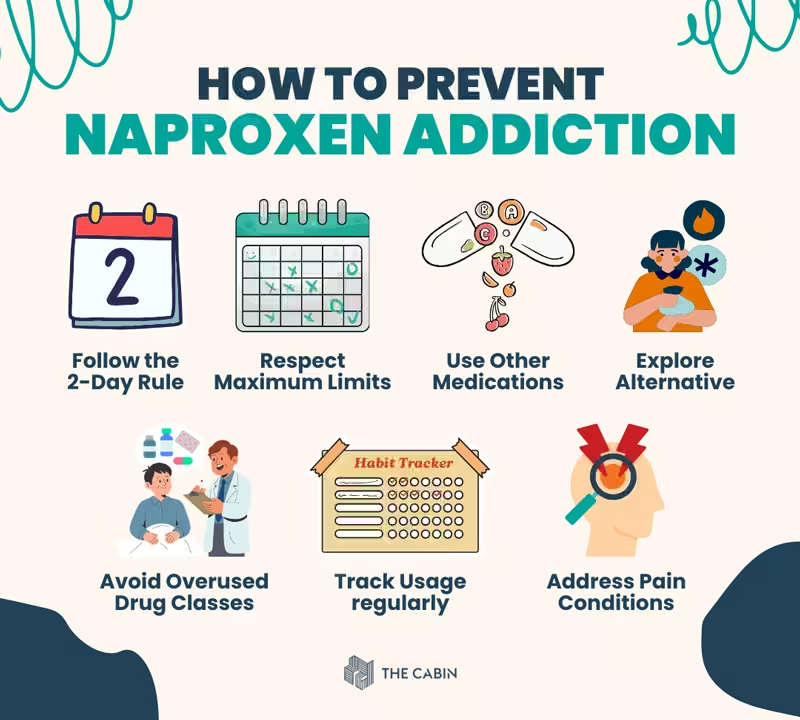
To prevent Naproxen Addiction, follow the seven steps listed below.
- Follow the 2-Day Rule. Limit Naproxen use to no more than 2 days per week. It prevents the brain from becoming accustomed to constant pain relief. The rule is needed for regular users, tracked weekly, to stay under 8 days per month.
- Respect Maximum Monthly Limits. Take Naproxen no more than 10 to 15 days per month. It keeps exposure below the dependency threshold. Required for chronic pain patients, tracked with a calendar.
- Use Preventive Medications Instead. Use Topiramate, OnabotulinumtoxinA, or CGRP antibodies to stop headaches before they start. Alternative medications can reduce frequent Naproxen use. This can be especially helpful when Naproxen use exceeds twice-weekly doses, every 2 to 3 months.
- Avoid Previously Overused Drug Classes. Skip medications previously overused to prevent relapse. Very effective for avoiding dependency patterns. Required for anyone who withdrew successfully, discuss alternatives with a doctor.
- Track Usage with a Headache Diary. Record doses, timing, and triggers. Raise personal awareness of usage patterns. This is recommended for anyone using Naproxen regularly.
- Address Underlying Pain Conditions. Treat root causes like migraines or arthritis. Controls pain rather than masking it. Research alternative care options when repeated pain leads to Naproxen use.
- Learn Alternative Pain Management. Use ice/heat, stretching, relaxation, physical therapy, or lifestyle changes. Provides non-drug relief. Required for patients at risk of frequent use, learnable in 2 to 4 weeks.
How does Ibuprofen Compare to Naproxen in Pain Relief?
Ibuprofen is generally considered equally effective compared to Naproxen in pain relief for most types of pain, though Ibuprofen and Naproxen act slightly differently in the body. Ibuprofen and Naproxen are non-steroidal anti-inflammatory drugs (NSAIDs) that block pain-causing enzymes, with 400mg of Ibuprofen roughly equivalent to 440mg of Naproxen. The main difference is that Naproxen provides longer-lasting relief with fewer daily doses, while Ibuprofen works faster and wears off sooner. Naproxen may suit chronic pain due to its extended duration, while Ibuprofen works well for quick relief of acute pain. Naproxen sodium provided more effective pain relief than a placebo and better night pain relief compared with Ibuprofen, according to the research study “Comparative efficacy of Naproxen and Ibuprofen in knee osteoarthritis” by Taylor and Francis in 2004. Evaluating Ibuprofen vs Naproxen, the choice depends on personal preference and the type of pain, as Ibuprofen and Naproxen are both safe and effective when used as directed.
Begin Your Path to Recovery
For Healthcare Professionals Referring Clients
We collaborate with healthcare providers, including GPs, psychiatrists, psychologists, counsellors, and case managers, to ensure seamless referrals. If you wish to refer a client or patient, please connect with us via email, phone, or our online contact form; we’re here to help guide your clients on their path to recovery.
For Individuals Seeking Treatment
At the Cabin, treatment is more than addressing addiction or mental health challenges — it’s an opportunity to embark on a profound journey of self-care discovery and personal growth. Our holistic approach nurtures lasting change and a healthier, more fulfilled life.
For Loved Ones Seeking Support
The Cabin offers specialized care that tackles both addiction and related mental health concerns. We create a compassionate environment where loved ones can find the healing and support they need to rebuild their lives and move forward with confidence.