Social drinking refers to consuming alcohol in a social setting with others for enjoyment and social interaction rather than to achieve intoxication. The possible benefit of social drinking is that it helps individuals relax and foster a sense of connection in social situations. However, the risks of social drinking include impaired judgment, accidents, and potential adverse effects on mental and physical health if overdone. Regular consumption may lead to a drinking problem or alcohol dependence.
The difference between social drinking and moderate drinking lies in frequency and control. A social drinker drinks in social settings without keeping track of the amount, while moderate drinking involves controlled, consistent drinking with less focus on the social setting. The social effects of alcohol are more prominent in social drinking, which can result in overconsumption. Casual drinking is less about the social event and more about personal consumption in a relaxed manner.
Why do people drink alcohol?
People drink alcohol for various reasons, including socialization, relaxation, and enjoyment. Social drinkers consume alcohol as a way to bond with others and improve social interactions. Drink to unwind after a stressful day or to relieve tension, while others may enjoy the taste and experience of different alcoholic beverages. Cultural norms and traditions play a part in drinking habits, with alcohol being a part of celebrations, rituals, and gatherings. Some may drink due to peer pressure or to fit into certain social environments. People may drink to escape emotional distress or for temporary relief from personal issues, though it can lead to problematic behavior if not managed properly.
What to Know about Social Drinking?
The things to know about social drinking include its definition, standard limits, purpose, social role, and cultural norms. Social drinking refers to consuming alcohol in a social setting for enjoyment rather than to achieve intoxication. Standard limits for alcohol consumption suggest up to one drink per day for women and two for men. The purpose of social drinking is to facilitate interaction and improve social experiences. It helps people relax, bond, and communicate in group settings. Cultural norms vary, with some societies encouraging moderation while others may prohibit drinking entirely. Social etiquette involves respecting others’ choices, drinking in moderation, and being mindful of the setting.
How much Alcohol is Safe to Drink Daily?
The amount of alcohol that is safe to drink daily is up to one drink for women and two drinks for men. Recommended safe daily limits help reduce the risk of long-term health issues (liver disease and heart problems). Best practices for social drinkers include pacing consumption, staying hydrated, and eating while drinking. Moderation helps prevent adverse effects and avoid binge-drinking.
Is your Social Drinking turning into Problem Drinking?
Yes, your social drinking is turning into a problem with drinking. Social drinking turns into problem drinking if it begins to interfere with daily responsibilities or relationships. It signals a deeper issue if drinking starts to become a regular habit and leads to negative consequences such as missed work or strained relationships. A person notices they are drinking more than intended or feeling compelled to drink despite adverse effects. It is categorized as problem drinking when alcohol consumption starts to feel out of control or disrupts important areas of life. Recognizing these signs early helps prevent further harm and if needed, help should be sought out.
What are the Problems of Social Drinking?
The Problems of Social Drinking are listed below.
- Health Risks: Excessive social drinking leads to long-term health problems (liver disease, heart issues, and high blood pressure). Heavy drinking increases the risk of certain cancers.
- Mental Health Issues: Social drinking may contribute to mental health problems (anxiety, depression, and stress). Alcohol acts as a depressant, affecting mood and emotional stability.
- Addiction: Regular social drinking can lead to alcohol dependence. Drinking may become more frequent and harder to control, resulting in addiction.
- Relationship Strain: Problematic drinking can harm personal relationships. Regular consumption can lead to arguments, emotional distance, and a lack of trust.
- Impaired Judgment: Alcohol impairs decision-making abilities. Social drinkers may engage in risky behaviors, such as driving under the influence or in making poor decisions in relationships or work.
- Work and Productivity Issues: Overuse of alcohol can affect work performance, leading to missed days, lack of focus, and a decline in productivity.
What are the Risks of Social Drinking?
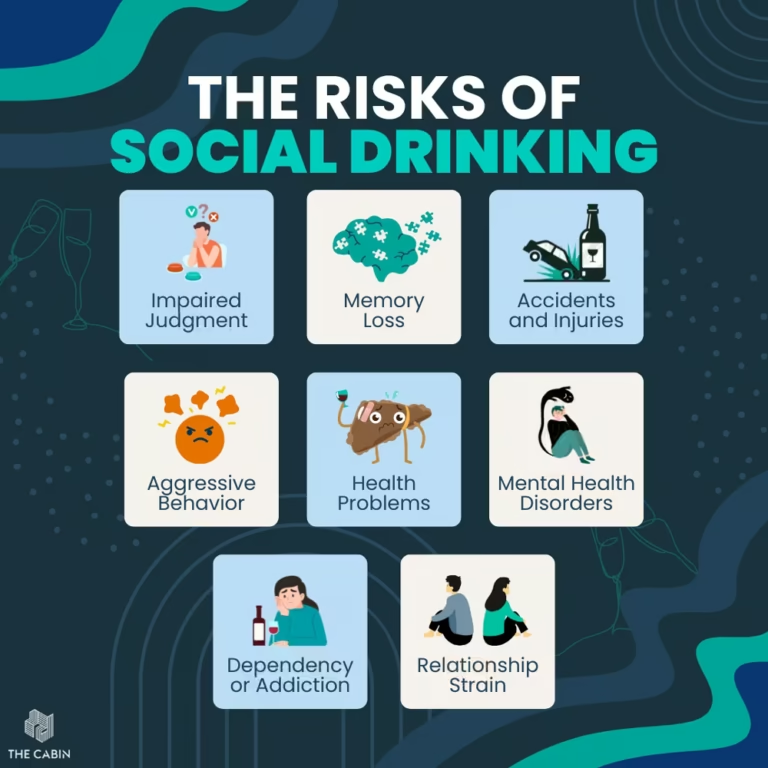
The Risks of Social Drinking are listed below.
- Impaired Judgment (Short-Term Risk): Alcohol reduces decision-making abilities, leading to risky behaviors (accidents or unsafe actions).
- Memory Loss (Short-Term Risk): Drinking may cause blackouts or memory lapses, affecting recall of events or interactions.
- Accidents and Injuries (Short-Term Risk): Alcohol impairs coordination, increasing the likelihood of falls, car accidents, or physical injuries.
- Aggressive Behavior (Short-Term Risk): Social drinking can sometimes result in mood swings, aggression, or conflict with others.
- Health Problems (Long-Term Risk): Chronic alcohol consumption can lead to liver damage, cardiovascular issues, and digestive problems.
- Mental Health Disorders (Long-Term Risk): Regular drinking may contribute to anxiety, depression, and other mental health conditions.
- Addiction (Long-Term Risk): Persistent drinking may lead to alcohol dependency or addiction, affecting work, relationships, and quality of life.
- Social and Relationship Strain (Long-Term Risk): Long-term drinking habits can cause conflicts in personal relationships, emotional distance, and isolation.
What are the Alternatives for Social Drinking?
The alternatives for social drinking are numerous (engaging in social activities, exploring creative experiences) and can provide enjoyable experiences without the need for alcohol. Engaging in social activities (hiking, sports, or game nights) can foster connection and create lasting memories without the influence of alcohol. Non-alcoholic drinks (mocktails, sparkling water, or herbal teas) offer a similar social experience without the negative effects of drinking. Exploring creative experiences (painting classes, cooking workshops, or live music events) can replace the need for alcohol while encouraging engagement and fun. Mental shifts like focusing on mindfulness, meditation, or deep conversations can improve social interactions and provide a sense of relaxation without turning to alcohol.
Can Social Drinking lead to being Alcohol Dependent?
Yes, social drinking can lead to alcohol dependence. Drinking may gradually develop into a pattern that becomes harder to control if drinking increases in frequency or quantity. Drinkers may begin to rely on alcohol to cope with stress or to fit in socially. The gradual shift can result in a loss of control over drinking habits. The drinker is considered alcohol dependent due to the physical and psychological reliance on alcohol. Recognizing the signs early can help prevent progression into full dependence when it occurs.
What are the Different Alcohol Drinking Patterns aside from Social Drinking?
The different alcohol drinking patterns, aside from social drinking, are binge-drinking, heavy drinking, and alcohol dependency. Binge-drinking involves consuming large amounts of alcohol in a short period with the intent to get drunk. Heavy drinking refers to consistently consuming more alcohol than is considered safe, leading to health risks. Alcohol dependency occurs when a person becomes reliant on alcohol to function or cope with daily life. These patterns vary in severity, but all pose risks to physical and mental health. These are some types of alcohol drinking patterns that lead to significant consequences if not addressed.
Is Social Drinking and Casual Drinking the same?
No, social drinking and casual drinking are not the same. Social drinking refers to consuming alcohol in a group setting or at a social event to improve interaction. Casual drinking refers to drinking alcohol occasionally or in any context, with social drinking being more event-driven and casual drinking being more about personal choice without any specific social context. A casual drinking may not always involve a social element, but it is moderate.
What is the Difference between Social Drinking to Moderate Drinking?
The difference between social drinking and moderate drinking is based on context and frequency. Social drinking occurs in a group or social setting, where alcohol is consumed to facilitate interaction or enjoyment with others. It is event-driven and involves larger quantities consumed in shorter periods. Moderate drinking refers to drinking alcohol in smaller, controlled amounts regularly without the intention of getting intoxicated. It is more about maintaining balance and not overindulging, regardless of the setting. Social drinking involves more sporadic or heavy intermittent consumption, while moderate drinking is about consistent, controlled intake. The key difference lies in the moderate drinking approach, which focuses on drinking in moderation without excess.
Ready to Take Control of Your Drinking?
If you’re worried about the effects of alcohol on your body and are ready to make a change, we can help. The Cabin Chiang Mai is Asia’s respected rehab centre, providing a safe space to support you through early recovery phase and cravings. Contact us today for a free evaluation and start your journey toward a healthier life.
Begin Your Path to Recovery
For Healthcare Professionals Referring Clients
We collaborate with healthcare providers, including GPs, psychiatrists, psychologists, counsellors, and case managers, to ensure seamless referrals. If you wish to refer a client or patient, please connect with us via email, phone, or our online contact form; we’re here to help guide your clients on their path to recovery.
For Individuals Seeking Treatment
At the Cabin, treatment is more than addressing addiction or mental health challenges — it’s an opportunity to embark on a profound journey of self-care discovery and personal growth. Our holistic approach nurtures lasting change and a healthier, more fulfilled life.
For Loved Ones Seeking Support
The Cabin offers specialized care that tackles both addiction and related mental health concerns. We create a compassionate environment where loved ones can find the healing and support they need to rebuild their lives and move forward with confidence.