Alcohol dependence is a state in which an individual develops a persistent, insatiable desire to drink large quantities of liquor regularly. Alcohol dependence means drinking constantly or nearly every day and feeling unwilling to stop once started, which matches the alcoholism definition used by health professionals. Alcoholism is a chronic condition where drinking controls a person’s life and damages health and ties. Alcohol dependence is a main sign of intoxication, classified as an Alcohol Use Disorder (AUD) in medical and psychiatric fields, according to the Diagnostic and Statistical Manual of Mental Disorders, APA, 2013. Key alcoholism symptoms involve constant urges, detachment, and a complete lack of control over drinking.
Staying trapped under addiction displays distinct indicators of alcohol abuse, in which drinking patterns are detrimental to wellness, friendships, and everyday life. Long-term reliance is described as alcohol addiction, which destroys the hepatic system, coronary arteries, and nervous system and increases the likelihood of incidents, harm, and psychiatric complications. Living with alcohol use disorders breaks households, compromises career performance, and ruins financial security and quality of life.
Drinking heavily for years, a family tradition of alcoholism, behavioral health problems, and high-stress lifestyles are frequent triggers that push consumers into dependence. Medical Withdrawal
What is Alcohol Dependence?
Alcohol dependence means a person’s body and mind need alcohol to function because drinking has become regular and heavy. Tolerance builds up, so larger amounts are required to feel any effect, and stopping drinking causes withdrawal symptoms. Alcohol dependence is recognized as alcoholism and a form of alcohol use disorder, which damages the liver, brain, and heart and destroys family ties and work stability. Several cases develop under certain types of alcoholic drinking patterns that push a person toward long-term addiction and severe health risks.
What Causes Alcohol Dependence?
Alcohol dependence causes include drinking heavily and continuously, causing changes in how the psyche interacts with the body’s response to alcohol. The body develops resistance, so higher quantities are needed to achieve the equivalent outcome, and stopping contributes to discontinuity. Alcohol abuse is caused by heavy drinking and frequent overdrinking, which are both categories of alcohol consumption practices. Continual reliance deteriorates wellness, breaks families, ruins work performance, and is linked directly with alcoholism, alcohol use issues, and reckless actions.
Who is Most at Risk for Alcohol Dependence?
The most at risk for alcohol dependence are persons who have a family background of heavy drinking, men, individuals between the ages of 18 and 29, and patients with psychiatric diagnoses. Genetics and household environment raise the chance of dependence for children of alcoholic parents. Men ingest more alcohol than women, which produces a higher resistance and a greater urge to drink. Young adults engage in binge drinking, which makes dependence more likely over time. Individuals experiencing grief, tension, or distress use alcohol as a coping mechanism, increasing the possibility of alcohol abuse and addiction.
What are the Signs of an Alcohol Dependence Problem?
The signs of an alcohol dependence problem are listed below.
- Strong cravings are instances in which a person feels a powerful urge to drink that pushes them to keep using alcohol even when they plan not to.
- Loss of control over drinking means drinking further or longer than anticipated and failing to stop despite wanting to quit.
- Increased tolerance requires higher levels of liquor to become intoxicated, which builds gradually, according to Tolerance to Alcohol: Conceptualization, Measurement, and Clinical Implications, Kenneth J. Sher, 2005.
- Withdrawal symptoms appear when the system depends on intoxicating substances and reacts with hot flashes, trembling, or vomiting once drinking stops, according to Alcohol Withdrawal Syndrome, Michael Bayard, 2004.
- Ignoring responsibilities happens when job, academic, or family duties are neglected, and drinking takes priority.
- Drinking despite harm is when someone keeps drinking even when it causes physical issues, legal trouble, or relationship damage.
- Excessive time spent on drinking includes spending many hours getting alcohol, drinking it, or recovering from its effects.
- Neglecting hobbies and activities shows up when alcohol use replaces things once enjoyed, cutting off social and recreational life.
How is Alcohol Dependence Diagnosed?
Alcohol dependence is diagnosed through a straightforward procedure (physical exam, medical history review, blood tests, psychological assessment) by a health professional. Taking the first step involves evaluating drinking habits and patterns to understand how much alcohol affects daily routines.
The next step requires using tools like the AUDIT or DSM-5 criteria to measure the signs of a dependency. The process includes checking for withdrawal, tolerance, and cravings that prove physiological and cognitive reliance on alcohol.
The final step is assessing the impact on health, work, and relationships to see the damage caused by continued use. Individuals showing risky behavior under certain types of alcohol drinking tendencies meet diagnoses like alcoholism and Alcohol Use Disorder.
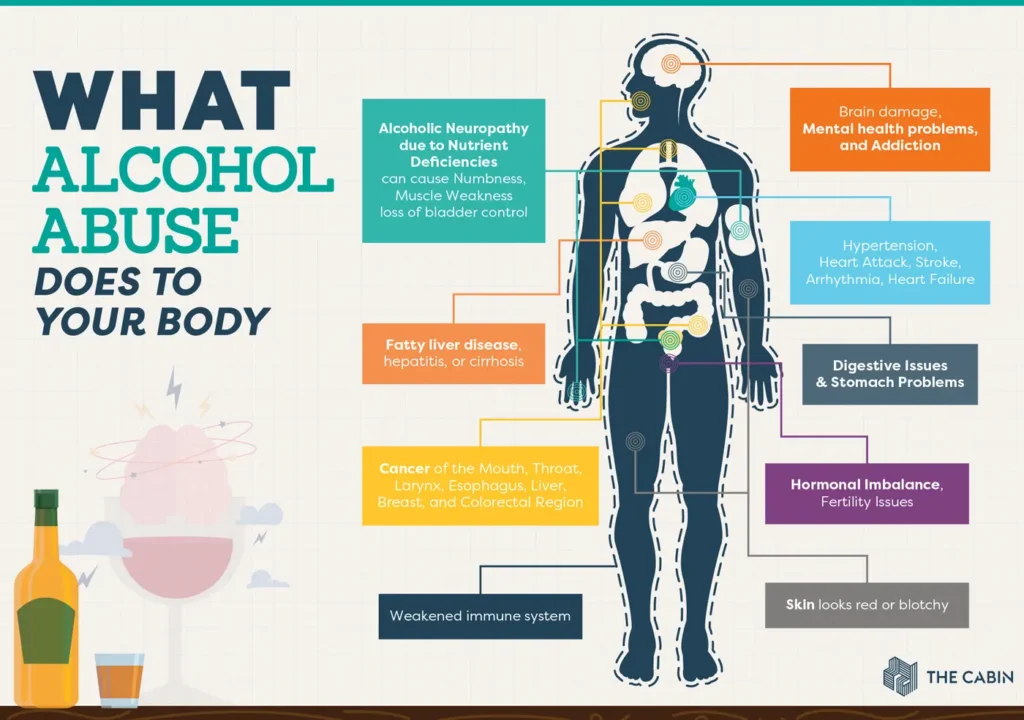
What are the Effects of Alcohol Dependence?
The effects of alcohol dependence are listed below.
- Physical Effects of Alcohol Dependence results in hepatitis, circulatory problems, decreased resistance to infection, and nerve dysfunction. Long-term heavy drinking damages organs and internal systems. Frequent intoxication raises the likelihood of cirrhosis, pancreatitis, and cancers, according to Alcohol’s Effects on the Body, National Institute on Alcohol Abuse and Alcoholism, 2004.
- Psychological Effects of Alcohol Dependence include despair, agitation, memory lapses, and poor decision-making. Psychiatric challenges and struggles intensify because of persistent drinking. Individuals with alcohol dependence develop mood or anxiety ailments according to Co-occurrence of Alcoholism and Psychiatric Disorders, Marc A. Schuckit, 2006.
- Social and Relationship Impacts of Alcohol Dependence appear as disagreements with spouses and friends, poor work performance, career loss, and seclusion. Drinking strains partnerships and trust. Alcohol dependence is strongly linked to domestic difficulties and societal decline, according to Alcohol and Social Consequences, Robin Room, 2005.
How to Prevent Becoming Alcohol Dependent?
To prevent becoming alcohol dependent, follow the list below.
- early recovery phase under medical supervision: Expel liquor from the system safely and sustain abstinence with professional support to avoid relapse.
- Take prescribed medications: Consider substances such as naltrexone or acamprosate to suppress desire and reduce the urge to indulge.
- Attend counseling or therapy: Join cognitive-behavioral therapy (CBT) or motivational therapy sessions to build coping skills and tackle triggers.
- Enroll in a rehab program: Choose an on-site or off-site rehab that offers organized services, assistance, and safe rehabilitation.
- Join a support group: Attend meetings with Alcoholics Anonymous (AA) or SMART Recovery for peer support and accountability.
- Adopt lifestyle changes: Build healthy daily habits, manage stress, and set personal rules to avoid dependence.
What are the Treatment Options for Alcohol Dependence Behavior?
The treatment options for alcohol dependence are listed below.
- early recovery under medical supervision: Safely clears liquor from the system and manages early recovery phase reactions to lower immediate danger risks. Doctors administer sedatives to ease suffering and observe vital indicators throughout the process.
- Medications such as naltrexone or acamprosate: Help suppress urges and block the rewarding sensations of intoxicants to aid in sustainable healing. Medicines function best when combined as part of counseling and regular check-ins from a healthcare provider.
- Counseling: Methods like cognitive-behavioral therapy (CBT) and motivational therapy identify causes and develop strategies to prevent relapse. One-on-one or group sessions help uncover the fundamental origins of drinking behavior.
- Outpatient rehab programs: Provide structured support, medical monitoring, and therapy in a safe environment for participants needing intensive help. Patients return home after sessions, which allows them to keep family and work responsibilities.
- Support groups: Groups like Alcoholics Anonymous (AA) or SMART Recovery deliver peer encouragement, reassurance, and shared strategies to stay sober. Sharing experiences with others helps reduce feelings of isolation.
- Lifestyle changes and relapse prevention plans: Include developing healthy routines, avoiding high-risk situations, and practicing relaxation techniques to maintain sobriety. Building a support network of kin and supportive acquaintances helps strengthen healing.
How effective is Rehab for Alcohol Dependent Drinkers?
Rehab is effective for alcohol dependent drinkers, as it addresses the physical and psychological aspects of addiction in a structured and supportive setting. Rehab works well because programs handle the physical and mental parts of alcohol dependence in a safe, structured setting. The need for rehab arises when quitting alcohol alone fails, severe withdrawal occurs, or drinking negatively impacts health, work, or family life.
Rehab centers treat alcohol dependence by providing medical withdrawal to clear alcohol safely, individual and group counseling to tackle triggers and mental health struggles, and relapse prevention plans to manage cravings and stress. Core processes inside rehab facilities include group support sessions, medication if needed, and life skills training that builds strength to stay sober after treatment. Combining these proven methods makes rehab effective for alcohol-dependent drinkers needing structured help to recover and maintain sobriety.
Can alcohol dependence be treated?
Yes, alcohol dependence can be treated using proper therapeutic and behavioral support. Recovery needs a combination of drug withdrawal management, guidance, prescriptions, and life adjustments to minimize urges and avert regression. Assistive plans aid the body to adjust without liquor, restore mental health, and rebuild daily routines. Utilizing programs, community groups, with substances such as naltrexone or acamprosate works well for adults with moderate to severe alcohol dependence. Getting the proper care early and following a clear therapy plan improves the prospects of abstaining from alcohol use and staying sober for life.


Is Relapse common in Alcohol dependence recovery?
Yes, relapse is common in alcohol dependence recovery. Recovering drinkers resume drinking because of cravings, tension, and peer pressures that test their self-control. Relapse is not a sign that rehabilitation therapy has lost effectiveness, but it indicates that additional assistance or changes in the healing plan are essential. An effective rehab, coaching, prescriptions, and continuous aftercare services lower the probability of relapse and help maintain continual abstinence. Staying alert to cues and having a plan in place are key parts of staying alcohol-free.
Building Your Relapse Prevention Plan at The Cabin, We’re Here to Help You Stay Sober.
Aftercare and relapse prevention are essential for maintaining sobriety. At The Cabin Chiang Mai, we provide tools and support to help individuals with drug, alcohol, or process addictions. Our aftercare program keeps clients connected as they reintegrate into daily life. If you’re interested in our Peer Support Network, please contact us.
What Type of Alcoholic can Alcohol Dependent Drinkers become over time?
The type of alcoholic an alcohol-dependent drinker can become over time is either a daily heavy drinker or an episodic binge drinker. Daily drinkers depend on alcohol every day to feel normal and avoid withdrawal. Binge drinkers stay sober for days or weeks, and then drink heavily in short, intense bursts. Recognizing the types of alcoholics helps guide treatment to break the cycle and prevent dependence from worsening.
How is alcohol dependence different from alcohol abuse?
Alcohol dependence is different from alcohol abuse in that alcohol dependence occurs based on the system and cognitive functions rely on alcohol to feel normal, while alcohol abuse means engaging in harmful ways that do not require alcohol to function physiologically. Addiction arises due to continuous intoxication, which changes the brain’s gratification mechanism and creates discomfort if consumption stops. Alcoholics with a habit drink daily to prevent shaking, sweating, or anxiety. Alcohol abuse entails risky practices, including binge drinking or drinking and driving, that harm health, relationships, or work.
What is the Difference between Alcohol Dependence to Binge Drinking?
The difference between alcohol dependence to binge drinking is that alcohol dependence involves a daily bodily and cognitive need for alcohol, while binge drinking means engaging in a high volume of liquor in a short time without needing it every day. Alcoholics with addictive tendencies drink regularly to prevent abstinence, but binge drinking involves drinking heavily in one sitting. Dependence causes daily cravings and health complications linked to constant use, while binge drinking creates risky habits, unconsciousness, and sudden effects during the episode. Each style causes lasting damage, and binge drinking develops into alcohol dependence when repeated.
Life Without Alcohol is Possible!
If you or a loved one is drinking every day or struggling to stop, it’s important to reach out for help. At The Cabin, we understand the challenges of addiction. We treat alcoholism regardless of its cause, whether it stems from trauma, stress, genetics, or mental health issues. We offer a free evaluation call and support services to fit your needs. For more information, please fill out our contact form or contact us through our toll-free numbers on our contact page.
Begin Your Path to Recovery
For Healthcare Professionals Referring Clients
We collaborate with healthcare providers, including GPs, psychiatrists, psychologists, counsellors, and case managers, to ensure seamless referrals. If you wish to refer a client or patient, please connect with us via email, phone, or our online contact form; we’re here to help guide your clients on their path to recovery.
For Individuals Seeking Treatment
At the Cabin, treatment is more than addressing addiction or mental health challenges — it’s an opportunity to embark on a profound journey of self-care discovery and personal growth. Our holistic approach nurtures lasting change and a healthier, more fulfilled life.
For Loved Ones Seeking Support
The Cabin offers specialized care that tackles both addiction and related mental health concerns. We create a compassionate environment where loved ones can find the healing and support they need to rebuild their lives and move forward with confidence.