Phentermine is a prescription medication used to support weight loss by suppressing appetite and increasing energy expenditure, primarily through central nervous system stimulation and enhanced norepinephrine release. Phentermine acts as a sympathomimetic stimulant that increases alertness, heart rate, and metabolic drive while decreasing hunger signals. Mixing phentermine with alcohol can lead to unpredictable physiologic reactions, since alcohol depresses neural activity while phentermine stimulates sympathetic output.
Drinking alcohol while taking phentermine increases the risk of adverse effects due to the interaction between a central stimulant and a depressant. Alcohol slows cortical processing and impairs coordination, while phentermine accelerates heart rate and nervous system activity, which creates competing signals within cardiovascular and neurologic pathways. This contrast can trigger dizziness, heightened anxiety, mood fluctuation, or impaired judgment. Common side effects of phentermine include elevated heart rate, jitteriness, insomnia, and increased blood pressure, reflecting enhanced sympathetic activation. Adding alcohol may intensify cardiovascular strain and cognitive instability. The dangers of combining alcohol and phentermine extend to cardiovascular health, as both substances can elevate heart rate and destabilize blood pressure regulation, particularly in individuals with underlying hypertension or cardiac conditions. People using phentermine should avoid alcohol to prevent worsening stimulant-related side effects and impaired decision-making. Careful risk awareness remains essential when considering phentermine and alcohol use together, since interaction outcomes vary based on dosage, alcohol quantity, liver function, and baseline cardiovascular status. Complete avoidance provides the safest course during phentermine therapy.
Can You Drink Alcohol With Phentermine?
No, you cannot drink alcohol with phentermine, as the combination significantly increases cardiovascular and neurologic risk. Drinking alcohol with Phentermine is unsafe due to the potential for severe blood pressure elevation, arrhythmia, and impaired cognitive control. Adipex contains phentermine in an immediate-release tablet form that enters systemic circulation rapidly, producing faster sympathetic stimulation. Duromine utilizes an ion exchange resin delivery system that releases the stimulant gradually across approximately 24 hours, extending cardiovascular activation. Alcohol and phentermine both affect the central nervous system, yet they exert opposing pharmacodynamic effects, with alcohol depressing neural activity and phentermine stimulating sympathetic output. Mixing these substances creates physiologic instability between a stimulant and a depressant. Universal risks include acute blood pressure spikes, irregular heart rhythms, anxiety, and impaired coordination. Alcohol can mask subjective signs of intoxication while phentermine remains active in the bloodstream, which may create a false perception of alertness. Individuals may experience a false sense of sobriety that contributes to excessive alcohol intake. Dehydration becomes more likely, as both alcohol and phentermine possess diuretic properties that increase fluid loss. Electrolyte imbalance may trigger dizziness, palpitations, or fainting. All brand formulations react similarly with alcohol, since the active sympathomimetic compound remains pharmacologically identical.
The sympathomimetic action of phentermine increases heart workload and peripheral vascular resistance. Ethanol adds a metabolic burden to the liver during enzymatic breakdown, which may alter drug metabolism timing. Combining these agents impairs judgment and motor coordination more severely than alcohol alone. Gastric irritation may occur when the stomach lining encounters both substances simultaneously. Physicians generally advise avoiding beer, wine, and spirits throughout the treatment period. Effective weight management depends on metabolic stability and consistent appetite regulation. Alcohol contributes empty caloric intake that directly counteracts weight loss objectives. Physical safety and therapeutic success require abstaining from ethanol during the prescription course, especially in individuals with hypertension or cardiovascular risk factors. The liver prioritizes ethanol metabolism over other compounds, which may interfere with predictable pharmacologic action.
Elevated blood pressure threatens long-term arterial health and increases cardiovascular strain. Coordination declines when the nervous system receives conflicting stimulant and depressant signals. Cardiovascular stress may present as chest discomfort, palpitations, or tachycardia. Nervousness, agitation, and insomnia may intensify when stimulants interact with alcohol. Mood instability and fluctuating energy levels reflect pharmacodynamic conflict. Episodes of drowsiness may paradoxically occur alongside overstimulation, creating cognitive and physiologic imbalance. Clinical guidance consistently recommends complete sobriety for optimal safety and weight-loss outcomes. Safety remains the primary concern for individuals prescribed appetite suppressants such as phentermine.
What Happens If You Drink Alcohol on Phentermine?
A dangerous physiologic conflict between a potent sympathomimetic stimulant and a central nervous system depressant can occur if you drink alcohol while taking Phentermine, particularly involving cardiovascular stress and hepatic metabolic strain. The drug increases norepinephrine release to suppress appetite, which elevates heart rate and blood pressure through sympathetic activation. Ethanol enters systemic circulation and acts as a sedative, yet it can paradoxically blunt the subjective sensation of intoxication when a stimulant remains active. Individuals may consume more alcohol than intended, since the usual perception of sluggishness or motor slowing becomes less noticeable. This masking effect can lead to substantial physiologic impairment despite a perceived state of alertness. Cardiovascular symptoms such as rapid palpitations, elevated blood pressure, or chest discomfort may occur as the heart responds to competing chemical signals. Panic episodes and heightened anxiety can manifest when central stimulation and depressant effects overlap, which destabilizes autonomic balance. Dehydration may worsen, as both alcohol and phentermine possess diuretic properties that increase fluid and electrolyte loss. Significant fluid depletion can contribute to kidney strain, dizziness, electrolyte imbalance, or syncope. Hepatic metabolism prioritizes ethanol breakdown, which may delay predictable drug processing and reduce metabolic efficiency. Internal organ systems experience cumulative stress during combined exposure, particularly the cardiovascular and hepatic systems responsible for maintaining physiologic equilibrium. Overall risk severity depends on phentermine dosage, alcohol quantity, baseline blood pressure, and liver function, yet medical guidance consistently favors abstinence to preserve cardiovascular stability and treatment effectiveness.
Can You Drink Alcohol While Taking Adipex (Phentermine 37.5)?
No, you cannot drink alcohol while taking Adipex (Phentermine 37.5), as this dosage produces significant sympathetic stimulation that increases cardiovascular vulnerability. Drinking alcohol while taking Adipex 37.5 poses substantial risk due to the potency of the 37.5 milligram formulation, which represents the highest commonly prescribed immediate-release dose. The 37.5 mg strength elevates metabolic rate, heart rate, and blood pressure through intensified norepinephrine release. Ethanol intake can amplify medication side effects, including abrupt increases in blood pressure and heart rhythm irregularities. No reliable alcohol safety threshold exists while high plasma concentrations of phentermine remain active, since stimulant-driven vasoconstriction and alcohol-related vasodilation create unstable hemodynamic responses. Cardiovascular strain becomes a primary concern as the heart pumps against increased vascular resistance. Reasons for strict avoidance include elevated risk of dizziness, fainting, agitation, and impaired judgment during combined exposure. The stimulant properties of the medication may sustain alertness while alcohol simultaneously impairs cognition, creating a falsely alert yet intoxicated state associated with poor decision-making and accident risk. Medical professionals commonly advise waiting at least 24 to 48 hours after the final dose before considering alcohol intake, to allow substantial drug clearance. Individuals using higher-dose formulations may experience more rapid and pronounced adverse reactions compared to those on lower strengths. Complete abstinence remains the most reliable strategy to prevent hypertensive episodes, arrhythmia, or acute cardiac distress during Adipex therapy.
Can You Drink Alcohol While on Duromine (Phentermine)?
No, you cannot drink alcohol while on Duromine (Phentermine), as the extended-release stimulant effect increases cardiovascular and neurologic risk during alcohol exposure. Alcohol consumption while using Duromine is strongly discouraged due to the formulation’s prolonged release mechanism. Duromine contains phentermine embedded within a resin-based extended-release system that delivers the drug gradually across approximately 24 hours, sustaining sympathetic stimulation throughout the day. Regional formulations, including those in Australia and South Africa, commonly provide 30 mg or 40 mg strengths, which produce sustained elevations in heart rate and blood pressure. Ethanol does not reliably accelerate resin breakdown, yet alcohol consumption during active drug release increases overall cardiovascular strain and neurologic instability. Common side effects such as dry mouth, metallic taste, insomnia, and nervousness may intensify when alcohol is added. Anxiety spikes may occur as the brain attempts to reconcile stimulant activation with alcohol’s depressant effects, which destabilizes autonomic balance. Increased heart rate and elevated blood pressure remain consistent concerns, since combined exposure forces compensatory cardiovascular responses. The extended half-life of the resin-based formulation means phentermine remains active into the evening hours. Drinking later in the day raises the likelihood of insomnia, palpitations, agitation, and fragmented sleep. Patients should prioritize hydration, balanced nutrition, and consistent dosing to support therapeutic weight-management goals, while complete alcohol avoidance remains the safest clinical recommendation during Duromine treatment.
Can You Drink Alcohol While on Axcion (Phentermine)?
No, you cannot drink alcohol while on Axcion (Phentermine), as the stimulant’s sympathomimetic effects increase cardiovascular and neurologic risk during alcohol exposure. Drinking alcohol while using Axcion is not advisable due to the potential for cardiac strain, blood pressure instability, and impaired cognitive control. Axcion is a Mexican brand of phentermine hydrochloride that increases neurotransmitters such as norepinephrine and dopamine to suppress appetite and elevate energy expenditure. It does not differ chemically from Adipex in pharmacologic interaction potential, although inactive ingredients and manufacturing standards may vary by region. Mixing Axcion (Phentermine) with ethanol can produce unpredictable shifts in mood, alertness, and cardiovascular response. Gastric irritation may increase when a stimulant medication is combined with acidic alcoholic beverages, particularly in individuals prone to reflux or gastritis. The liver must metabolize both ethanol and phentermine, which adds cumulative metabolic demand and may alter predictable drug processing. Impaired judgment during combined exposure can promote overeating or poor dietary decisions, which undermines structured weight-management goals. Physical symptoms such as blurred vision, headaches, palpitations, or anxiety may occur more frequently when both substances are present. Safe therapeutic use requires metabolic stability without concurrent depressant intake, since alcohol counteracts appetite control and increases dehydration risk. Remaining alcohol-free allows the body to respond consistently to phentermine’s appetite-suppressing and energy-modulating effects.
What Are the Side Effects of Combining Phentermine and Alcohol?
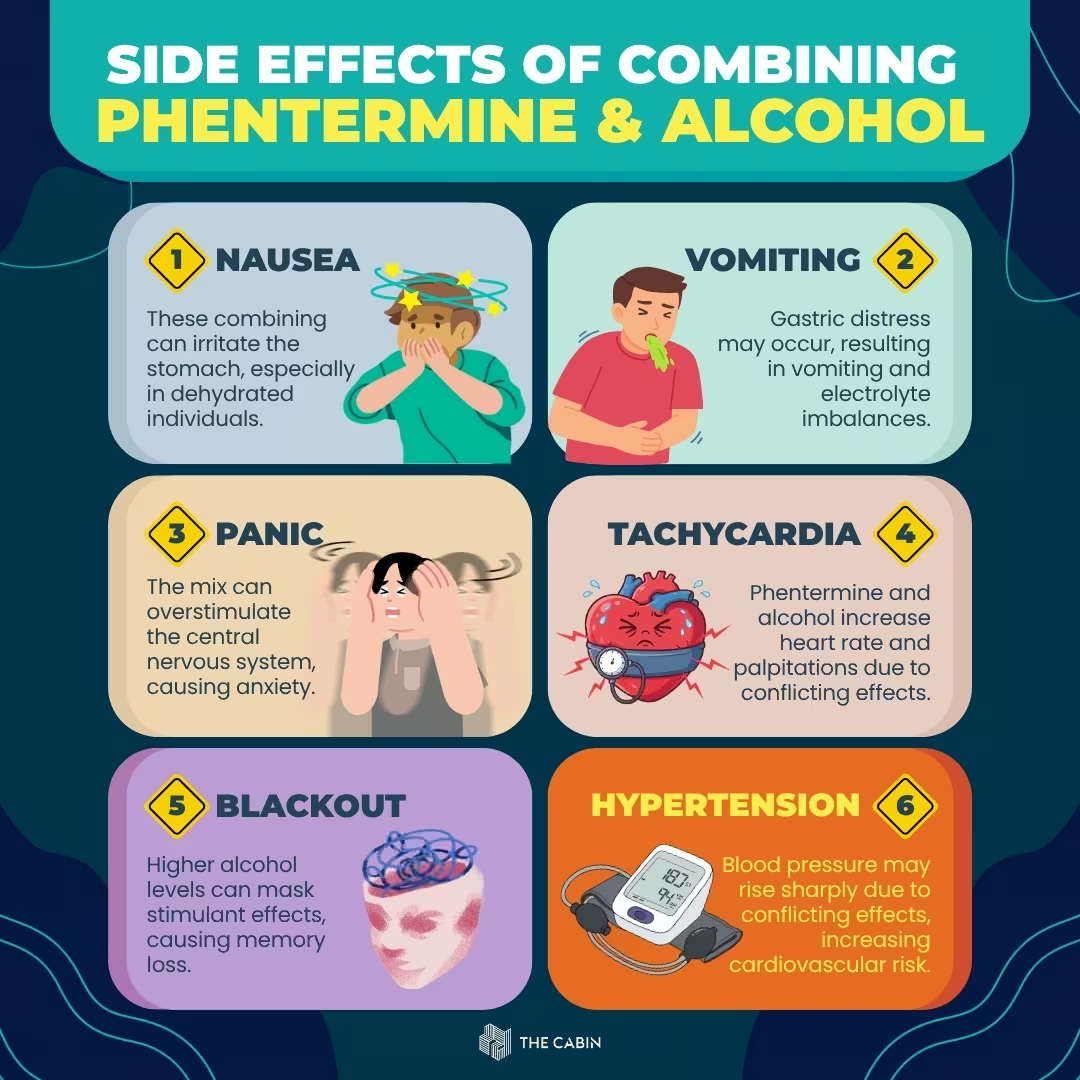
The side effects of combining Phentermine and Alcohol are listed below, and each reflects opposing stimulant–depressant effects on the cardiovascular and central nervous systems.
- Nausea: Gastric irritation may occur when sympathomimetic stimulation combines with ethanol exposure, as both substances alter gastric motility and acid balance. Persistent queasiness can develop, particularly in dehydrated individuals.
- Vomiting: Significant gastric distress may trigger vomiting, which contributes to fluid depletion and electrolyte imbalance when alcohol and stimulant effects overlap.
- Panic: Central nervous system overstimulation can activate a fight-or-flight response, especially when elevated norepinephrine levels interact with alcohol-related mood instability. Individuals may experience intense anxiety, restlessness, or a sense of impending danger.
- Tachycardia: Heart rate may rise substantially as phentermine stimulates sympathetic output while alcohol disrupts autonomic regulation, increasing palpitations and cardiovascular strain.
- Blackout: Elevated blood alcohol levels combined with stimulant-related masking of intoxication can increase the risk of memory gaps and impaired situational awareness.
- Hypertension: Blood pressure may increase sharply during combined exposure, as vasoconstriction from phentermine conflicts with alcohol-induced vascular changes, raising cardiovascular risk.
Severity depends on dosage, baseline blood pressure, hydration status, and individual metabolic response, yet medical guidance consistently advises avoiding alcohol during phentermine therapy to protect cardiovascular stability.
Does Combining Phentermine With Alcohol Create Dangerous Side Effects?
Yes, combining phentermine with alcohol creates dangerous side effects, particularly involving cardiovascular instability and neurologic impairment. Pharmacologic interaction between a sympathomimetic amine and ethanol produces conflicting signals within the heart and brain, as phentermine stimulates norepinephrine release while alcohol depresses central neural activity. Cardiovascular strain represents the most immediate concern, since the heart must respond to opposing vasoconstrictive and depressant influences that disrupt rhythm stability. Central nervous system effects may include agitation, confusion, impaired judgment, and increased seizure susceptibility in vulnerable individuals. Clinical reports indicate that individuals who mix these substances face higher rates of emergency evaluation for hypertensive episodes and cardiac symptoms. The liver must metabolize both alcohol and phentermine concurrently, which increases metabolic burden and may alter predictable drug processing. Dehydration may intensify, since both agents contribute to fluid loss and electrolyte imbalance, which elevates cardiovascular workload. Alcohol-induced nervous system depression combined with stimulant activation can produce marked disorientation and impaired coordination. Repeated high-risk use may contribute to long-term cardiovascular stress. Individuals may underestimate intoxication severity because stimulant effects mask typical alcohol-related fatigue. Determining whether is phentermine dangerous depends largely on adherence to medical guidance, particularly strict avoidance of alcohol during therapy. Preventing phentermine and alcohol side effects requires consistent abstinence from ethanol throughout the treatment course to preserve cardiovascular safety and therapeutic effectiveness.
Can One Drink of Alcohol Affect Phentermine’s Weight-Loss Effects?
Yes, one drink of alcohol can affect Phentermine’s weight-loss effects, both metabolically and behaviorally. One drink can disrupt metabolic efficiency and appetite regulation, particularly during active sympathomimetic stimulation. A single alcoholic beverage contains non-nutritive calories that contribute to total daily caloric intake without supporting satiety or micronutrient needs. Ethanol metabolism temporarily shifts hepatic priority toward alcohol breakdown, which reduces short-term fat oxidation while detoxification pathways remain active. Appetite suppression from phentermine may weaken as alcohol stimulates reward pathways linked to high-fat and high-sugar food cravings. Inhibitory control often declines after alcohol intake, which makes adherence to structured dietary planning more difficult. Cravings for calorie-dense snacks frequently follow even modest alcohol consumption. Alcohol-related dehydration may lead to transient fluid retention the next day, which can appear as temporary scale weight fluctuation. Physical energy levels may decrease once alcohol’s depressant phase offsets stimulant-driven alertness, affecting motivation for exercise. Exercise performance can decline as the body recovers from combined metabolic and hydration stress. Long-term weight-loss success depends on consistent metabolic balance and caloric control, and even one drink can disrupt that equilibrium when combined with phentermine therapy.
Does Alcohol Reduce the Effect of Weight-Loss Drugs like in Phentermine?
Yes, alcohol can reduce the effectiveness of weight-loss drugs such as phentermine, primarily through metabolic interference and behavioral disruption rather than direct receptor blockade. Alcohol counteracts weight-management pathways by altering appetite regulation, energy utilization, and hormonal balance. Phentermine stimulates the hypothalamus and increases sympathetic nervous system activity to suppress appetite and elevate metabolic rate. Ethanol shifts hepatic metabolism toward alcohol oxidation, which temporarily reduces fat oxidation and prioritizes detoxification processes. Nutrient processing efficiency may decline when the digestive and hepatic systems are occupied with ethanol metabolism, particularly after repeated intake. Muscle recovery and exercise performance can suffer following alcohol consumption, which limits lean mass development and reduces basal metabolic efficiency over time. Alcohol-induced hormonal fluctuations, including changes in cortisol and ghrelin signaling, may increase hunger cues that blunt appetite suppression. Liver function remains critical for optimal response to weight-loss pharmacotherapy, since the liver regulates lipid metabolism and drug processing. Sustained alcohol use can impair metabolic consistency, thereby diminishing the overall effectiveness of structured weight-loss programs that rely on phentermine support among weight-loss drugs.
Can You Drink Wine, Beer, or Liquor on Phentermine?
No, you cannot drink wine, beer, or liquor on Phentermine, as ethanol content drives the primary pharmacologic risk regardless of beverage type. Drinking alcohol while taking phentermine is unsafe because ethanol interacts with sympathetic stimulation to increase cardiovascular strain and neurologic instability. Different beverages vary in Alcohol by Volume (ABV), yet the body metabolizes ethanol as the same active compound independent of its source. Liquor typically contains higher ABV, which can accelerate intoxication and intensify rapid increases in heart rate and blood pressure. Wine and beer contain lower ethanol concentrations per ounce, though they are often consumed in larger volumes, contributing to cumulative caloric intake and dehydration. Total ethanol quantity influences physiologic impact more than beverage category, since any meaningful intake can interfere with medication stability. Symptom variation may depend on sugar content, carbonation, and drinking speed, yet cardiovascular risk remains present during combined exposure. Carbonated alcoholic beverages may increase gastric irritation or alter perceived intoxication speed. Combining high-proof spirits with an active stimulant further elevates the likelihood of hypertensive response or arrhythmia. All alcohol types disrupt sleep architecture, which undermines metabolic regulation and weight-loss consistency. Sustainable weight management during phentermine therapy requires avoiding alcoholic beverages to protect cardiovascular safety and preserve therapeutic effectiveness.
How Many Hours After Taking Phentermine Can You Drink Alcohol Safely?
You should avoid alcohol entirely while phentermine remains active, as no clearly defined “safe” waiting period guarantees cardiovascular stability. Immediate-release phentermine typically reaches peak plasma concentration within three to four hours, which corresponds to maximum sympathetic stimulation during that window. Extended-release formulations maintain active blood levels for a longer duration due to sustained absorption kinetics. Phentermine undergoes hepatic metabolism, and alcohol also requires liver-based enzymatic processing. Concurrent or closely timed exposure increases metabolic burden, since both substances compete for hepatic resources. Alcohol consumption within six hours of dosing presents an elevated risk for tachycardia, hypertension, and anxiety due to peak stimulant activity. Waiting 12 hours may reduce peak overlap, yet clinically meaningful phentermine concentrations can still remain in circulation. Waiting 24 hours allows drug levels to decline substantially, particularly for immediate-release forms, though extended-release preparations may remain partially active. Monitoring heart rate and blood pressure before considering alcohol intake provides useful physiologic insight, especially in individuals with baseline hypertension. Adequate hydration helps mitigate electrolyte imbalance and excessive fluid loss. The combination of stimulant-driven thermogenesis and alcohol’s diuretic effect increases dehydration risk. Immediate-release doses generally clear faster than extended-release variants, yet abstinence during treatment remains the most reliable method to prevent cardiovascular and neurologic complications.
How Long After Phentermine Can I Drink Alcohol Without Side Effects?
You should wait at least 24 to 48 hours after the last dose of phentermine before considering alcohol, although no waiting period guarantees zero side effects. The elimination half-life of phentermine averages approximately 20 hours in healthy adults, though urinary pH and individual metabolism can alter clearance speed. Complete elimination of a single dose generally requires four to five half-lives, which equates to roughly 80 to 100 hours for full systemic clearance. Daily use produces steady-state blood concentrations, meaning residual stimulant activity may persist even after a skipped dose. Intermittent alcohol use creates higher relative risk for consistent medication users, since cumulative exposure prolongs sympathetic stimulation. Individuals who use phentermine occasionally may face somewhat lower interaction risk if they omit the medication for a full day, yet residual plasma levels can still remain active. Side effects such as dizziness, palpitations, anxiety, or elevated blood pressure may occur when alcohol interacts with remaining drug concentrations. Separating the substances reduces simultaneous central nervous system stimulation and depression, which improves autonomic stability. Liver enzymes prioritize ethanol metabolism when alcohol is introduced, which can temporarily delay predictable drug clearance. Long-term safety depends on allowing substantial drug elimination before consuming ethanol. Monitoring heart rate, blood pressure, hydration status, and subjective symptoms after the waiting period helps confirm a return to physiologic baseline.
Can I Drink Alcohol 12 Hours After Taking Phentermine?
No, drinking alcohol 12 hours after taking phentermine remains unsafe due to the medication’s relatively long elimination half-life and sustained sympathomimetic activity. The drug continues to act within the central nervous system well beyond the 12-hour mark, particularly in individuals taking standard therapeutic doses. Hepatic metabolism of the stimulant extends past half a day for most users, since the average half-life approaches 20 hours in healthy adults. Mixing alcohol with residual phentermine can produce unpredictable increases in heart rate and fluctuations in blood pressure. Higher milligram doses elevate interaction risk, because greater plasma concentrations prolong cardiovascular stimulation. If accidental co-ingestion occurs, monitoring for chest discomfort, severe dizziness, palpitations, agitation, or confusion becomes essential. Remaining seated or upright and maintaining adequate hydration may support circulatory stability, though these measures do not eliminate interaction risk. Symptoms suggesting cardiovascular distress require prompt medical evaluation to prevent escalation. Many clinicians recommend waiting at least a full 24 hours, and often longer, before considering alcohol exposure to allow drug levels to decline to a safer range. Abstinence during active treatment provides the most reliable protection against stimulant–depressant conflict and related cardiovascular complications.
How Long Should You Wait To Drink Alcohol After Taking Duromine?
You should wait at least 24 to 36 hours before drinking alcohol after taking Duromine, although no waiting period guarantees complete elimination of interaction risk. Duromine uses a prolonged-release resin system that delivers phentermine gradually across the day to maintain consistent appetite suppression. Alcohol acts as a central nervous system depressant, and its depressant effects can conflict with the medication’s sustained sympathetic stimulation. Hydration becomes especially important, since both Duromine and alcohol increase fluid loss and raise dehydration risk. Monitoring heart rate and blood pressure helps detect delayed cardiovascular responses as stimulant levels decline. The extended-release profile means measurable drug concentrations remain in circulation longer than with immediate-release tablets. Early alcohol intake during active drug exposure can trigger excessive fatigue, palpitations, anxiety, or elevated blood pressure. Individuals should confirm that baseline vitals remain stable before considering alcohol consumption. Clear communication with a healthcare professional supports individualized timing recommendations based on dosage, liver function, and cardiovascular history. Complete abstinence throughout Duromine therapy provides the safest strategy and supports consistent weight-management outcomes.
Is It Bad to Mix Phentermine and Alcohol?
Yes, it is bad to mix Phentermine and alcohol, as the combination increases cardiovascular strain and neurologic instability. Mixing phentermine and alcohol creates significant stress on both the cardiovascular and central nervous systems, since one substance stimulates sympathetic output while the other depresses neural processing. Alcohol can mask subjective stimulant effects, which may lead to higher alcohol intake without typical warning signs of intoxication. Primary risks include arrhythmias, dehydration, elevated blood pressure, and abrupt hemodynamic shifts. Individual factors such as pre-existing hypertension, heart disease, or impaired liver function raise the likelihood of adverse outcomes. Combining a stimulant with a depressant produces conflicting neurochemical signals in the brain, which destabilize mood, judgment, and coordination. Gastrointestinal discomfort may occur when both substances are present, particularly in dehydrated individuals. Motor coordination and decision-making ability decline more substantially during combined exposure than with alcohol alone. Long-term cardiovascular and metabolic health depend on avoiding repeated stimulant–depressant conflict. Physicians consistently advise abstaining from alcohol for the full duration of a phentermine prescription to preserve treatment safety and effectiveness.
Does Alcohol Reduce Phentermine’s Appetite-Suppressing Effects?
Yes, alcohol can reduce Phentermine’s appetite-suppressing effects, primarily through metabolic competition and behavioral disinhibition rather than direct receptor blockade. Phentermine suppresses appetite by stimulating norepinephrine release in the hypothalamus, which promotes satiety and reduces hunger signaling. Ethanol intake alters hormonal balance, including increases in ghrelin and fluctuations in leptin signaling that counteract appetite control.
Cravings for calorie-dense foods often rise after alcohol consumption, as reward pathways activate in response to depressant effects. Hepatic metabolism prioritizes alcohol oxidation over lipid utilization, which temporarily reduces fat-burning efficiency. Inhibitory control weakens under alcohol exposure, making structured dietary adherence more difficult. The stimulant-driven satiety effect may feel less stable when alcohol modifies neural circuits linked to fullness perception. Alcoholic beverages contribute additional caloric load without providing nutritional satiety, thereby increasing total daily energy intake. Sustainable weight-loss success depends on consistent appetite regulation and metabolic balance, and alcohol intake can undermine both during phentermine therapy.
What Happens If You Drink Alcohol While on Weight-Loss Pills Like Phentermine?
Drinking alcohol while on weight-loss pills such as phentermine, diethylpropion, or phendimetrazine creates a high-risk interaction between a central nervous system stimulant and a depressant. Stimulant-based anorectic medications share similar pharmacologic risks, including sympathetic overactivation and cardiovascular strain when combined with ethanol. Common dangers include rapid heart rate, palpitations, elevated blood pressure, and increased likelihood of hypertensive events. Alcohol can intensify medication side effects, extreme dry mouth, insomnia, agitation, and nervousness may worsen during combined exposure. Hepatic metabolic competition occurs as the liver processes both the stimulant compound and ethanol simultaneously. Physical impairment becomes more difficult to recognize because stimulant effects may mask subjective sedation from alcohol. Dehydration risk increases due to the overlapping diuretic properties of alcohol and certain weight-loss agents. Long-term weight-management outcomes may decline as alcohol contributes excess liquid calories and disrupts metabolic consistency. Repeated combined use places ongoing stress on the cardiovascular system, particularly in individuals with preexisting hypertension. Clinical safety prioritizes avoiding alcoholic beverages throughout the treatment course to preserve heart health and therapeutic effectiveness.
Can You Drink Alcohol While Taking Phentermine and Topiramate (Qsymia)?
No, alcohol consumption is contraindicated while taking Phentermine and Topiramate (Qsymia), as the combination significantly increases neurologic and cardiovascular risk. The dual-therapy medication produces conflicting and compounding central nervous system effects, including elevated seizure susceptibility, mood destabilization, and impaired motor coordination. Topiramate causes dose-dependent sedation, cognitive slowing, and altered neurotransmitter activity. Phentermine stimulates the sympathetic nervous system, increasing heart rate and alertness. Alcohol intensifies sedative and cognitive-impairing effects while interacting unpredictably with stimulant-driven cardiovascular activation. Severe confusion, dizziness, slowed reaction time, and impaired balance can occur during combined exposure. Slowed reflexes and diminished motor control substantially increase accident and fall risk. Cardiovascular strain rises when sympathetic stimulation meets alcohol-related vasodilation and depressant effects. Physiologic responses become unstable as multiple substances compete for receptor activity and hepatic metabolism. Memory impairment, reduced concentration, and mood fluctuation frequently develop during co-ingestion, particularly with higher doses or rapid intake of alcohol with Topiramate.
Can You Have Alcohol With Phentermine if You Only Drink Socially?
No, alcohol consumption is contraindicated while taking Phentermine, as occasional intake does not eliminate pharmacologic interaction risk. Consuming alcohol during phentermine therapy presents measurable cardiovascular and neurologic concerns, even at low or infrequent amounts. Ethanol interacts with active stimulant levels in the bloodstream regardless of frequency. Individuals with underlying hypertension, arrhythmia, or structural heart disease face elevated risk during even light exposure. Social settings increase the chance of unintended higher intake or reduced awareness of warning symptoms such as palpitations or dizziness. The liver metabolizes phentermine continuously, and simultaneous ethanol exposure increases metabolic burden. Dehydration develops easily during a single occasion since alcohol and phentermine promote fluid loss. Psychological effects including anxiety, irritability, and sleep disruption occur even after small quantities of alcohol. The interaction stems from competing stimulant and depressant mechanisms rather than drinking patterns. Cardiovascular risk rises whenever alcohol enters the system during active therapy, even among individuals who only drink socially.
Does Drinking Alcohol While on Phentermine Cause Blackouts or Anxiety?
Yes, drinking alcohol while on phentermine can increase the likelihood of blackouts and anxiety due to compounded central nervous system disruption, particularly when high blood alcohol levels coincide with active sympathetic stimulation. Phentermine elevates baseline heart rate, alertness, and sympathetic nervous system activity, which heightens physiologic arousal. Alcohol introduces depressant effects that destabilize cognitive processing and emotional regulation, creating opposing neurochemical signals. In susceptible individuals, this conflicting pharmacologic activity may trigger panic symptoms, restlessness, or heightened anxiety. Memory impairment becomes more likely when stimulant-related masking reduces perceived intoxication, which may lead to greater alcohol intake than intended and increase blackout risk. Blackouts can occur at high blood alcohol concentrations, particularly when stimulants blunt fatigue cues. Cardiovascular overstimulation combined with alcohol-induced vasodilation may produce palpitations, chest discomfort, or a sense of impending doom, especially in individuals with underlying anxiety disorders. Neuronal circuits responsible for arousal and inhibition receive conflicting signals, which contribute to mood fluctuation, impaired judgment, and behavioral instability. Anxiety often intensifies during the post-intoxication phase as stimulant and alcohol effects decline at different rates, leading to rebound sympathetic activation. Repeated combined exposure may negatively affect mental clarity, sleep stability, and emotional regulation over time, due to persistent autonomic imbalance. Avoiding alcohol during phentermine therapy reduces blackout risk and helps maintain consistent neurologic and cardiovascular balance.
How Does Phentermine Affect Alcohol Tolerance and Intoxication?
Phentermine affects alcohol tolerance and intoxication by creating a stimulant masking effect that hides the usual signs of intoxication, which alters perception rather than reducing actual impairment. Individuals feel “less drunk” because the medication keeps the body alert and energetic despite high blood alcohol levels, as sympathetic stimulation counteracts subjective sedation. Physiological impairment remains present even if the person feels cognitively functional, since blood alcohol concentration continues to impair neural processing. Motor skills, reaction times, and judgment are still severely degraded by the ethanol, even when outward alertness appears normal. The false sense of sobriety leads to the consumption of dangerous amounts of alcohol because internal warning signals become blunted. The heart and liver suffer from the hidden burden of processing high volumes of toxins while under stimulation, which increases cardiovascular workload and metabolic strain. Dehydration masks the physical cues of overconsumption, as both substances promote fluid loss. Lethargy or slurred speech is less apparent, which may delay recognition of intoxication severity. Metabolic rates change, though phentermine does not directly accelerate alcohol elimination. The clearance of alcohol becomes unpredictable and potentially slower, depending on hepatic enzyme activity and overall metabolic stress. Masking the signals increases the risk of alcohol poisoning or accidental injury, particularly in high-consumption settings. Safety depends on understanding that the feeling of alertness does not equate to physical sobriety, and recognizing this mismatch is essential for preventing harm during phentermine therapy.
Can Drinking Alcohol on Phentermine Increase Heart-Related Risks?
Yes, drinking alcohol on Phentermine can increase heart-related risks, particularly through additive sympathetic stimulation and hemodynamic instability. Heart risk increases when excessive strain is placed on the cardiovascular system, as competing stimulant and depressant effects disrupt normal regulation. Phentermine acts as a sympathomimetic amine that raises heart rate and blood pressure through norepinephrine release. Alcohol consumption can trigger heart rate variability and unpredictable blood pressure fluctuations, especially during acute intoxication or withdrawal phases. Arrhythmia risk rises when cardiac tissue receives conflicting autonomic signals, which interfere with coordinated electrical conduction. Dehydration caused by both substances contributes to electrolyte imbalance, increasing vulnerability to rhythm disturbance. Low potassium or sodium levels disrupt the electrical gradients that regulate steady cardiac rhythm. Myocardial workload increases as the body attempts to maintain circulatory stability under chemical stress. Repeated combined exposure may elevate long-term cardiovascular risk. Avoiding alcohol helps maintain cardiovascular function within the therapeutic parameters intended by the prescription, thereby reducing the likelihood of hypertensive episodes, palpitations, or acute cardiac complications.
Is It Safe to Drink Alcohol While Taking Low-Dose Phentermine?
No, it is not safe to drink alcohol while taking low-dose phentermine (8 mg or 15 mg), as reduced dosage does not eliminate pharmacologic interaction risk. Drinking alcohol is unsafe during phentermine therapy because even lower milligram strengths produce measurable central nervous system stimulation. Therapeutic doses achieve active plasma concentrations that influence heart rate, blood pressure, and alertness. Alcohol can magnify medication side effects regardless of milligram strength, since ethanol introduces additional cardiovascular and neurologic stress. Primary concerns include dizziness, rapid pulse, palpitations, and gastrointestinal discomfort even at minimal drug exposure. Lower doses do not create a protective buffer against hepatic metabolic competition or autonomic instability. Individual metabolism, hydration status, and baseline cardiovascular health influence reaction severity, making outcomes variable. The low-dose combination remains unpredictable due to overlapping stimulant and depressant mechanisms. Risk of fainting, hypertensive episodes, or arrhythmia persists despite reduced dosage. Complete abstinence from alcohol remains the prevailing medical recommendation for all phentermine strengths. Safety and weight-loss efficacy depend on maintaining metabolic stability without introducing external depressants that counteract therapeutic goals.
Stop Mixing – Start Recovering At The Cabin Today!
If you are looking for addiction treatment, we are here to help you. We offer a peaceful environment and caring staff, along with activities like nature excursions and art therapy. Contact us today for a free evaluation. We will respond within 24 hours to start your healing process.