Mounjaro and alcohol should always be approached with caution, because potential interactions increase the risk of side effects. Mounjaro is an injectable medication that contains tirzepatide and functions as a GLP-1 receptor agonist and a GIP receptor agonist, and clinicians prescribe it to manage type 2 diabetes and to support medically supervised weight loss. The compound alters glucose regulation, gastric emptying, and appetite signaling, which can indirectly influence cardiovascular stability, migraine frequency, and overall metabolic balance. The general recommendation from clinicians and prescribing guidelines is to limit alcohol consumption while taking Mounjaro. Alcohol interacts with Mounjaro by increasing drowsiness, dizziness, and the likelihood of significant drops in blood pressure. The interaction can amplify Mounjaro’s known side effects, including nausea, delayed gastric emptying, lightheadedness, and hypotension, which increases the risk of fainting, dehydration, and impaired coordination. Monitor symptoms closely and consult a healthcare provider for personalized advice on alcohol consumption while using Mounjaro, especially if you have diabetes, cardiovascular conditions, or a history of alcohol sensitivity.
Can you Drink Alcohol While Taking Mounjaro?
No, you cannot drink alcohol while taking Mounjaro. Medical guidance advises avoidance or strict limitation because combining alcohol with Mounjaro increases acute safety risks. Combining alcohol with Mounjaro causes short term risks such as orthostatic hypotension and slowed heart rate. Alcohol intensifies dizziness, lightheadedness, or fainting. The interaction destabilizes blood pressure control and impairs coordination, which raises fall risk in vulnerable patients. Patients should monitor symptoms such as dizziness, lightheadedness, nausea, or fainting and consult a healthcare provider before alcohol exposure during therapy. Mounjaro regulates blood sugar levels and manages weight through appetite control and delayed gastric emptying, yet alcohol disrupts glucose metabolism and hydration status, which complicates treatment outcomes. Chronic or heavy alcohol use increases metabolic instability, weakens glycemic control, and compounds cardiovascular strain, particularly in cases involving addiction to alcohol.
What effects can occur when Mounjaro and alcohol are taken together?
Severe central nervous system and cardiovascular effects occur when Mounjaro and alcohol are taken together. The combined exposure produces additive physiological stress because both substances independently alter blood pressure, heart rate, and neurological function. Mounjaro alcohol interaction leads to additive central nervous system depression, which intensifies drowsiness, dizziness, and impaired coordination. The depressive effect slows reaction time and reduces alertness, which compromises safe driving and task performance. Blood pressure reduction increases the chance of falls and fainting when Mounjaro and alcohol are taken together. Orthostatic hypotension becomes more likely during position changes, which increases instability in older adults and patients with cardiovascular disease. Mounjaro mixed with alcohol worsens side effects associated with Mounjaro (dizziness and lightheadedness). The Mounjaro mixed with alcohol can also intensify nausea, dehydration, and weakness, which further impairs physical balance and stamina. Clinical concerns arise from the heightened risk of falls, fainting, and compromised motor function, which jeopardize safety when engaging in daily activities. Monitoring symptoms closely and consulting a healthcare provider is important when considering alcohol consumption while on Mounjaro, especially for individuals with diabetes, cardiac conditions, or a history of alcohol sensitivity.
In what ways might alcohol interfere with Mounjaro’s action in the body?
The ways alcohol might interfere with Mounjaro’s action in the body include its effects on the central nervous system (CNS) and potential alterations in Mounjaro’s pharmacodynamics. Alcohol influences neurological signaling and metabolic stability, which can counteract the medication’s therapeutic intent. Mounjaro works through the glucagon-like peptide-1 (GLP-1) and gastric inhibitory polypeptide (GIP) pathways to regulate blood sugar levels and reduce appetite. These incretin pathways slow gastric emptying, enhance insulin secretion, and suppress glucagon release, which stabilizes postprandial glucose levels. Alcohol depresses CNS activity, leading to drowsiness, impaired coordination, and an increased risk of falls, which worsens Mounjaro’s side effects (dizziness and lightheadedness). The overlapping neurological effects increase functional impairment, particularly during dose escalation phases.
Alcohol affects liver enzymes that process medications in terms of metabolism, influencing Mounjaro’s absorption or effectiveness. Although tirzepatide is primarily degraded through proteolytic pathways rather than extensive hepatic cytochrome metabolism, alcohol-related liver dysfunction can still disrupt systemic metabolic balance. Alcohol’s impact on liver function interferes with normal drug processing, leading to unpredictable responses, while no direct evidence suggests alcohol alters Mounjaro blood levels. Glycemic variability may increase, because alcohol independently lowers or raises blood glucose depending on intake patterns and nutritional status. Monitoring is essential when combining alcohol with Mounjaro to ensure the medication’s intended effects and minimize risks, especially in patients managing type 2 diabetes or structured weight loss plans.
What symptoms could appear from mixing Mounjaro with alcohol?
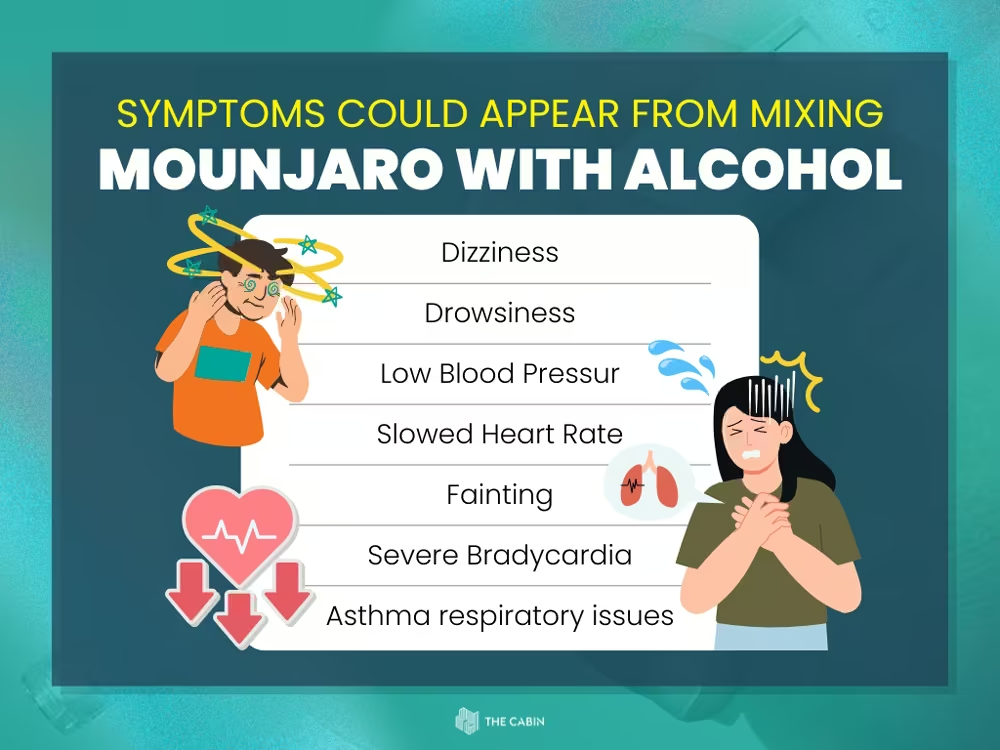
The symptoms that could appear from mixing Mounjaro with alcohol are listed below. These symptoms reflect additive cardiovascular and central nervous system effects that increase functional risk.
- Dizziness: Feeling lightheaded or unsteady due to blood pressure reduction. Postural changes may intensify the sensation, which increases fall risk.
- Drowsiness: Increased tiredness or sedation from central nervous system depression. Reaction time and alertness decline, which affects driving and daily task performance.
- Low Blood Pressure: Alcohol mixed with Mounjaro causes significant blood pressure drops, leading to fatigue and weakness. Orthostatic hypotension may occur during standing, which raises instability in older adults.
- Slowed Heart Rate: Alcohol aggravates Mounjaro’s effect of slowing the heart rate, causing fatigue or fainting. Reduced cardiac output may contribute to decreased exercise tolerance.
- Fainting: A sudden loss of consciousness due to a significant drop in blood pressure. Syncope episodes increase injury risk, particularly in unsupervised settings.
- Severe Bradycardia: An abnormally slow heart rate, leading to dizziness, weakness, or fainting. Sustained bradycardia requires medical evaluation, especially in patients with underlying cardiac conditions.
- Respiratory Issues in Asthma Patients: Alcohol and Mounjaro worsen respiratory symptoms, causing difficulty breathing in patients with asthma. Bronchial sensitivity and systemic weakness may compound breathing discomfort in susceptible individuals.
Patients who experience persistent or severe symptoms should seek medical advice promptly, because early assessment reduces complication risk and supports safer medication management.
Does combining alcohol with Mounjaro create risks or harmful interactions?
Yes, combining alcohol with Mounjaro creates risks and harmful interactions. The combination produces additive cardiovascular and neurological effects, which increase acute safety concerns. Alcohol lowers blood pressure, aggravating Mounjaro’s effects and increasing the risk of excess hypotension (low blood pressure) and syncope (fainting). Reduced vascular tone and altered autonomic response intensify the likelihood of instability during movement. The interactions lead to dizziness, lightheadedness, and loss of consciousness when changing positions. Orthostatic shifts become more dangerous, particularly in individuals with compromised cardiovascular regulation.
Populations at higher risk include the elderly and patients with heart disease, asthma, and diabetes. Elderly patients are more vulnerable to blood pressure changes, while patients with heart disease face increased cardiovascular risks. Patients with asthma experience worsened respiratory issues, and patients with diabetes face complications related to blood sugar regulation when alcohol interferes with Mounjaro’s intended effects. Alcohol can independently alter glucose levels, which complicates glycemic control in diabetes management plans. Consult a healthcare provider before combining Mounjaro with alcohol to minimize the risks, especially if you have chronic conditions or take additional cardiovascular medications.
Is it safe to have wine, beer, or spirits if you’re currently prescribed Mounjaro?
No, it is not safe to have wine, beer, or spirits if you are currently prescribed Mounjaro. Clinical concern centers on physiological interaction rather than beverage category. The risk is dose-dependent, not beverage-type dependent. Ethanol content determines the metabolic and cardiovascular impact, regardless of whether it comes from wine, beer, or distilled spirits. Even light wine or a small amount of beer leads to side effects (dizziness or a drop in blood pressure) when consumed in larger quantities. Accumulated intake over a short period increases orthostatic instability and central nervous system depression. Binge drinking or consuming spirits increases the risk of severe hypotension, impaired coordination, and other harmful effects. High alcohol concentration accelerates dehydration and vascular dilation, which intensifies syncope and fall risk. Monitor the quantity of alcohol consumed and consult a healthcare provider for specific guidance regarding alcohol drinking habits, particularly if you are adjusting your Mounjaro dose or managing diabetes-related glucose variability.
After taking Mounjaro, how much time should pass before alcohol is considered safer to drink?
A minimum of 24 to 48 hours after taking Mounjaro should pass before alcohol is considered safer to drink. This interval allows partial systemic stabilization, although it does not eliminate interaction risk. Mounjaro (tirzepatide) is administered as a once-weekly subcutaneous injection with a long half-life, so its pharmacologic activity persists for several days rather than hours. Factors such as the dosage (10 mg, 20 mg, or 40 mg) and personal tolerance alter the timing. Higher maintenance doses increase systemic exposure, which may prolong hemodynamic and glycemic effects. Higher doses of Mounjaro require more time for the body to process the medication, making it safer to wait longer before consuming alcohol. Individual metabolic rate, hydration status, and concurrent medications also influence response variability. Liver function plays a critical role, as patients with liver impairment experience slower drug metabolism, requiring additional caution. Although tirzepatide is not primarily cleared through hepatic cytochrome pathways, compromised liver health can destabilize glucose regulation and systemic resilience. Monitoring how the body reacts to Mounjaro and consulting a healthcare provider for personalized advice is important before consuming alcohol, especially for patients managing diabetes, cardiovascular disease, or structured weight-loss treatment plans.
Is it acceptable to use Mounjaro if you’ve recently consumed alcohol?
No, it is not acceptable to use Mounjaro if you have recently consumed alcohol. Initiating treatment while alcohol remains active in the system increases acute safety risks. Starting Mounjaro while intoxicated amplifies side effects (exaggerated dizziness and drowsiness) due to the combined depressant effects on the central nervous system. The overlapping pharmacodynamic effects reduce alertness and impair autonomic stability. The effects increase the risk of falls, fainting, and impaired coordination. Postural blood pressure shifts become more pronounced, which elevates syncope risk during movement. Wait at least 24 hours after alcohol consumption before starting Mounjaro to minimize these risks. This waiting period supports metabolic clearance of alcohol and reduces additive central nervous system depression. Factors to consider include the amount of alcohol consumed, the time elapsed since drinking, personal tolerance to alcohol, and the medication. Body weight, hydration level, and coexisting medical conditions also influence physiological response. Consulting a healthcare provider is essential to ensure safety before beginning Mounjaro, particularly for individuals with diabetes, cardiovascular disease, or a history of alcohol sensitivity.
In what ways might alcohol lessen the therapeutic effects of Mounjaro?
The ways alcohol might lessen the effects of Mounjaro include interfering with its intended actions on blood glucose regulation, appetite control, and metabolic stability. Alcohol disrupts glycemic balance and increases caloric intake, which counteracts Mounjaro’s role in improving insulin response and supporting weight reduction. The depressant effects of alcohol impair judgment and dietary restraint, which weakens adherence to structured nutrition plans associated with Mounjaro therapy. Alcohol’s impact on the cardiovascular system, including its ability to lower blood pressure and slow heart rate, compounds hemodynamic variability, which may complicate dose titration and symptom monitoring. The opposing effects reduce Mounjaro’s efficacy, making it harder to achieve the desired therapeutic results. Alcohol also alters glucose production in the liver, which increases blood sugar unpredictability and undermines long-term metabolic control goals.
What steps should be taken if someone consumes alcohol unintentionally while on Mounjaro?
The steps should be taken if someone consumes alcohol unintentionally while on Mounjaro by following the four steps below. Immediate action reduces compounded cardiovascular and neurological risk.
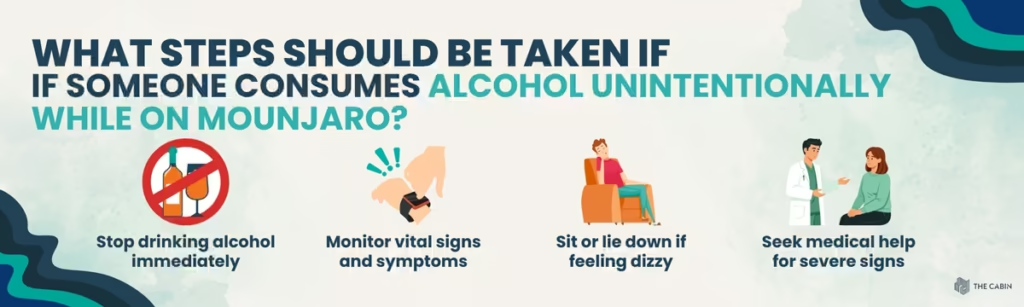
- Stop drinking alcohol immediately. Discontinue alcohol consumption to prevent further interference with Mounjaro’s effects. Avoid additional intake, even in small amounts, to limit additive blood pressure and central nervous system effects.
- Monitor vital signs and symptoms. Keep track of heart rate, blood pressure, and any unusual symptoms (dizziness or lightheadedness). Observe changes in alertness, balance, glucose readings, and hydration status over the next several hours.
- Sit or lie down if feeling dizzy. Rest in a safe position to avoid injury from potential fainting or loss of balance. Rise slowly from seated positions to reduce orthostatic shifts in blood pressure.
- Seek medical help for severe signs. Contact a healthcare provider immediately if severe symptoms occur (difficulty breathing, chest pain, or fainting). Early intervention improves safety outcomes and prevents escalation of cardiovascular instability.
Warning signs requiring emergency care are listed below. These symptoms indicate potentially serious hemodynamic or respiratory compromise.
- Severe dizziness or lightheadedness
- Loss of consciousness or fainting
- Difficulty breathing or shortness of breath
- Chest pain or irregular heartbeat
- Extreme fatigue or weakness
Individuals with diabetes, heart disease, asthma, or advanced age should exercise heightened caution, because underlying conditions increase vulnerability to compounded drug–alcohol effects.
Are there safer approaches to drinking alcohol when prescribed Mounjaro?
Yes, there are safer approaches to drinking alcohol when prescribed Mounjaro. Risk reduction focuses on limiting dose, pacing intake, and monitoring physiological response. Harm-reduction tips include consuming lower quantities of alcohol to minimize the impact of Mounjaro’s effects. Smaller amounts reduce additive blood pressure changes and central nervous system depression. Avoid binge drinking to reduce the risk of exaggerated side effects (dizziness and lightheadedness). High-volume intake over a short period increases hypotension, impaired coordination, and fall risk. Alcohol affects coordination and reaction time, so it is imperative to avoid driving after drinking. Delayed reflexes and reduced alertness compromise operational safety. Spacing drinks throughout the evening helps limit the immediate effects of alcohol. Slower consumption moderates peak blood alcohol concentration and supports metabolic processing. Hydrating with water between alcoholic beverages prevents dehydration, which worsens side effects. Adequate hydration stabilizes blood pressure and reduces orthostatic symptoms. Taking the lowest effective dose of Mounjaro helps reduce the risk of alcohol interfering with the medication’s action. Dose titration under medical supervision supports therapeutic benefit while limiting adverse interactions. Always consult a prescriber before drinking alcohol while on Mounjaro to ensure safety and receive personalized advice, particularly if you manage diabetes, cardiovascular conditions, or concurrent medications.

Could alcohol combined with Mounjaro influence emotional balance, sleep patterns, or mental well-being?
Yes, alcohol combined with Mounjaro could influence emotional balance, sleep patterns, and mental well-being. The interaction affects neurological signaling and physiological recovery cycles, which shape mood and cognitive stability. The central nervous system (CNS) effects of alcohol (increased sedation) aggravate the drowsiness and fatigue associated with Mounjaro. Additive sedation reduces alertness and slows cognitive processing. The combination leads to mood changes, making emotional balance harder to maintain. Fluctuating blood glucose levels may also contribute to irritability and emotional variability. Alcohol’s depressant effects impair sleep, resulting in disrupted or poor-quality rest, which negatively impacts mental well-being. Alcohol fragments sleep architecture and suppresses restorative REM cycles, which reduces next-day resilience. The combined effect of alcohol and Mounjaro can intensify fatigue, impair concentration, and destabilize daily routines, which indirectly affects perceived mental wellness. Daytime functioning is impacted, resulting in issues with physical energy levels, mood stability, and concentration. Persistent disruption may lower productivity and increase stress sensitivity over time.
Can the combination of alcohol and Mounjaro raise your chances of dizziness, fainting, or accidental falls?
Yes, the combination of alcohol and Mounjaro can raise your chances of dizziness, fainting, or accidental falls. The risk increases through additive cardiovascular and neurological effects that impair stability. Alcohol and Mounjaro contribute to orthostatic hypotension, which is a drop in blood pressure when standing up, leading to dizziness and fainting. Reduced vascular tone and delayed autonomic adjustment intensify postural instability. Alcohol further impairs coordination, increasing the risk of falls. Slower reaction time and decreased spatial awareness compound environmental hazards. Vulnerable groups, such as the elderly and patients on polypharmacy (taking multiple medications), are at higher risk due to age-related changes in blood pressure regulation and the potential for drug interactions. Concomitant antihypertensives, sedatives, or diuretics may amplify hypotensive responses. These patients are more susceptible to compounded effects, which makes proactive monitoring, gradual position changes, and clinical guidance essential for safety.
Is a small serving of wine generally considered low-risk for someone taking Mounjaro?
Yes, a small serving of wine is generally considered low-risk for someone taking Mounjaro. Low-risk does not mean risk-free, as individual physiology and treatment variables shape interaction potential. The risk depends on factors (the dose of Mounjaro, any comorbidities, and additional medications being taken). Dosage strength, metabolic stability, cardiovascular status, and concurrent prescriptions all influence safety thresholds. A low-dose Mounjaro prescription has a lower interaction risk with a small serving of wine, but patients’ health conditions (heart disease or diabetes) and other medications increase potential risks. Antihypertensives, insulin, or other glucose-lowering agents may amplify hypotension or glycemic variability. Consult a healthcare provider for personalized guidance and to understand specific thresholds for alcohol consumption when on Mounjaro, especially if you experience dizziness, blood pressure fluctuations, or inconsistent blood sugar readings.
Does Mounjaro increase sensitivity to alcohol’s physical or cognitive effects?
Yes, Mounjaro increases sensitivity to alcohol’s physical and cognitive effects. The medication alters metabolic and neurological pathways, which can heighten alcohol’s impact even at lower doses. Dizziness, drowsiness, and other effects on the central nervous system (CNS) are amplified by the combined sedation caused by Mounjaro and alcohol. Additive central nervous system depression reduces alertness, reaction time, and balance control. The additive changes in blood pressure and heart rate from the two substances lead to an increased risk of orthostatic hypotension and fainting. Reduced autonomic compensation intensifies positional instability during standing or movement. Alcohol’s impact on gastrointestinal function and hydration levels is more pronounced, as Mounjaro already affects gastric emptying and fluid balance. Slower gastric emptying may delay alcohol absorption initially, followed by unpredictable blood alcohol fluctuations. Patient-reported experiences include increased dizziness and sleepiness, highlighting the compounded sedative effects. Alcohol consumption while taking Mounjaro should be approached with caution to prevent intensified physical and cognitive impairment.
Ready to feel healthier, clearer and more in control?
True wellness means healing from the inside out, and alcohol shouldn’t stand in the way of your progress. Contact The Cabin Chiang Mai for a free evaluation today. Our team will respond within 24 hours to help you start a healthier chapter in your life.