Metoprolol and alcohol do not mix well and must be consumed with caution. Concomitant use increases cardiovascular and central nervous system risk, particularly in patients treated for hypertension or arrhythmia. Metoprolol is a beta-blocker prescribed to manage high blood pressure, heart-related issues, anxiety, and migraines. Clinicians commonly prescribe it for hypertension, angina, heart rhythm disorders, and rate control in certain cardiac conditions. The medicine works by blocking specific receptors in the heart and blood vessels, which helps lower the heart rate and blood pressure. Specifically, metoprolol selectively blocks beta-1 adrenergic receptors, which reduces cardiac output and sympathetic stimulation. The general recommendation for metoprolol and alcohol consumption is to limit alcohol intake due to the risk of negative interactions. Risk severity depends on dosage, cardiovascular stability, and concurrent medications. Alcohol and metoprolol both lower blood pressure, which leads to dizziness, lightheadedness, and fainting when standing. The additive hypotensive effect increases orthostatic intolerance and fall risk. Alcohol increases the sedative effects of metoprolol, causing heightened drowsiness and impaired coordination. Slower reaction time and reduced alertness compromise driving and task performance. The combined effects impact daily functioning and safety. Metoprolol users must closely monitor their alcohol consumption and seek personalized advice from a healthcare professional, especially if they have underlying heart disease, diabetes, or take additional antihypertensive agents.
Can you Drink Alcohol While Taking Metoprolol?
No, you cannot drink alcohol while taking Metoprolol. Clinical guidance advises avoidance or strict limitation because combined use increases cardiovascular instability. Metoprolol is a beta-blocker prescribed for hypertension and other cardiac conditions. Metoprolol reduces heart rate and myocardial workload through beta 1 receptor blockade. Alcohol amplifies side effects such as orthostatic hypotension, leading to dizziness or fainting during posture changes. Additive vasodilation and reduced cardiac output intensify positional blood pressure drops. Alcohol worsens heart rate suppression, which may result in excessive bradycardia. Reduced cerebral perfusion increases syncope risk during combined exposure. Severe fatigue, lightheadedness, and impaired concentration may occur. Slowed reflexes and reduced alertness compromise operational safety. Chronic or heavy intake further destabilizes blood pressure control and weakens long-term cardiovascular outcomes in cases involving addiction to alcohol. Blood pressure and heart rate monitoring remain essential, and consultation with a healthcare provider is necessary when additional antihypertensives or underlying cardiac disease are present.
What effects can occur when Metoprolol and alcohol are taken together?
Several physiological effects can occur (increased drowsiness and dizziness) when Metoprolol and alcohol are taken together. The interaction produces additive cardiovascular and neurological suppression. Metoprolol and alcohol depress the central nervous system (CNS), which leads to impaired coordination. Slowed reaction time and reduced alertness impair safe mobility and task performance. Alcohol and Metoprolol both lower blood pressure, increasing the risk of orthostatic hypotension, causing dizziness or fainting when standing up. Reduced vascular resistance combined with decreased cardiac output intensifies positional instability. The combination leads to a significant drop in heart rate, impairing cardiovascular function. Excessive bradycardia may reduce cerebral blood flow, which elevates syncope risk. The effects heighten the risk of falls, injuries, and worsened side effects (confusion and poor judgment). Cognitive slowing and impaired executive function may increase accident probability. Clinical concerns with this combination include severe dizziness, lightheadedness, and loss of coordination, which compromise safety when performing tasks requiring focus and balance. Monitoring blood pressure and heart rate is essential when combining the substances, and consult a healthcare provider for guidance. Metoprolol alcohol interaction poses serious health risks. Metoprolol mixed with alcohol must be managed carefully under medical supervision, particularly in patients with arrhythmias, heart failure, or concurrent antihypertensive therapy.
In what ways might alcohol interfere with Metoprolol’s action in the body?
The ways alcohol might interfere with Metoprolol’s action in the body include pharmacodynamic and metabolic interactions. Alcohol alters cardiovascular tone and hepatic processing, which can modify both the intensity and predictability of Metoprolol’s effects. Alcohol’s effects on the central nervous system (CNS). Metoprolol works by blocking beta-adrenergic receptors in the heart, lowering heart rate and blood pressure, while alcohol depresses the CNS, leading to drowsiness, impaired coordination, and decreased mental clarity. Additive suppression reduces sympathetic drive and slows reflex compensation to blood pressure changes. The combined effects increase the risk of dizziness, fainting, and difficulty concentrating. Reduced cerebral perfusion during hypotensive episodes may intensify lightheadedness. Alcohol impacts the metabolism of Metoprolol, as the two substances are processed in the liver. Metoprolol is primarily metabolized by hepatic CYP2D6 enzymes, which can be influenced by acute or chronic alcohol exposure. Alcohol alters liver function, affecting how Metoprolol is metabolized and leading to fluctuations in its blood levels. Acute intake may transiently inhibit metabolism, while chronic heavy use may induce enzymatic changes, creating variability in plasma concentration. It reduces the drug’s effectiveness or increases the risk of side effects. Monitoring the use of alcohol and Metoprolol together is essential to ensure safety and efficacy, especially in patients treated for hypertension, arrhythmias, or heart failure.
What symptoms or reactions could appear from mixing Metoprolol with alcohol?
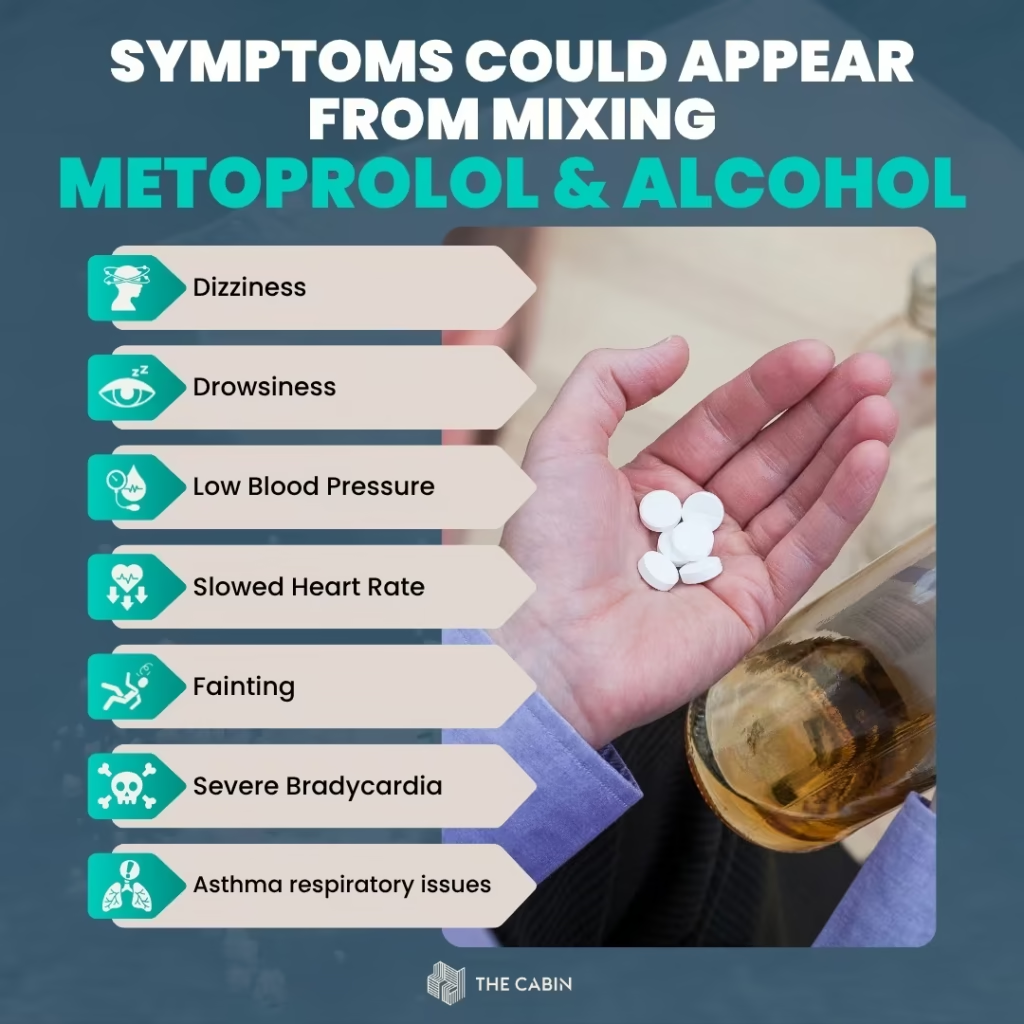
The symptoms or reactions that could appear from mixing Metoprolol with alcohol are listed below. These reactions result from additive cardiovascular suppression and central nervous system depression.
- Dizziness: A side effect of combining alcohol and Metoprolol to lower blood pressure. Reduced cerebral perfusion during standing may intensify lightheadedness.
- Drowsiness: Alcohol and Metoprolol depress the central nervous system, leading to increased fatigue. Slower reaction time and reduced alertness impair driving and task performance.
- Low Blood Pressure: Alcohol and Metoprolol lower blood pressure, increasing the risk of orthostatic hypotension. Sudden position changes may trigger instability or near-syncope episodes.
- Slowed Heart Rate: Metoprolol lowers heart rate, and alcohol amplifies the effect, leading to bradycardia. Excessive heart rate reduction may decrease cardiac output and exercise tolerance.
- Fainting: The combined effects of low blood pressure and slowed heart rate increase the risk of fainting. Syncope episodes elevate injury risk, particularly in unsupervised environments.
- Severe Bradycardia: The combination may cause a dangerously low heart rate. Sustained bradycardia requires prompt medical evaluation to prevent complications.
- Respiratory Issues in Asthma Patients: Metoprolol may worsen respiratory conditions like asthma when mixed with alcohol. Beta-blockade can affect bronchial tone in susceptible individuals, and alcohol-related sedation may further compromise respiratory comfort.
Patients who experience persistent or severe symptoms should seek medical advice immediately, because early assessment reduces complication risk and supports safer medication management.
Does combining alcohol with Metoprolol create risks or harmful interactions?
Yes, combining alcohol with Metoprolol creates significant risks and harmful interactions. The interaction produces additive cardiovascular suppression and central nervous system depression. Alcohol and Metoprolol lower blood pressure, which leads to excessive hypotension (low blood pressure), increasing the risk of dizziness, fainting (syncope), and falls. Reduced vascular resistance combined with decreased cardiac output intensifies orthostatic intolerance. The combined effect of alcohol’s depressant properties on the central nervous system and Metoprolol’s ability to slow heart rate further worsens the issues, leading to a dangerously low heart rate (bradycardia). Excessive bradycardia may reduce cerebral blood flow, which elevates syncope and injury risk. Dangerous scenarios include severe lightheadedness and the inability to respond to changes in body position, putting individuals at greater risk for falls and injuries. Impaired reflex compensation limits the body’s ability to stabilize blood pressure during movement.
Certain populations are at higher risk when mixing alcohol with Metoprolol. The elderly are more inclined to experience severe drops in blood pressure and slower heart rates, making them vulnerable to adverse effects. Patients with heart disease may face aggravated cardiovascular issues, while patients with asthma experience worsened respiratory problems due to Metoprolol’s potential to constrict airways. Concomitant use of additional antihypertensives, sedatives, or diuretics may further amplify hemodynamic instability. Patients must avoid alcohol while on Metoprolol and consult a healthcare provider for guidance, especially if they have arrhythmias, heart failure, or chronic pulmonary conditions.
Is it safe to have wine, beer, or spirits if you’re currently prescribed Metoprolol?
No, it is not safe to have wine, beer, or spirits if you are currently prescribed Metoprolol. Clinical risk relates to ethanol exposure rather than beverage category. The risks associated with drinking alcohol while on Metoprolol are dose-dependent rather than dependent on the type of beverage consumed. Total alcohol quantity determines the magnitude of blood pressure and heart rate changes. Consuming alcohol in moderate amounts, such as light wine, may present less of a risk than binge drinking larger quantities of spirits or beer. However, even moderate intake can produce measurable hemodynamic effects in sensitive individuals. Even small amounts of alcohol aggravate Metoprolol’s effects, lowering blood pressure and slowing heart rate, leading to dizziness, fainting, and an increased risk of falls. Additive hypotension and bradycardia reduce cerebral perfusion, which elevates syncope risk. Excessive drinking increases the chance of harmful interactions (severe hypotension and bradycardia), putting patients at risk for cardiovascular complications. High alcohol intake may also impair medication adherence and destabilize long-term blood pressure control. Seek advice from a healthcare professional regarding alcohol intake while taking Metoprolol. The alcohol drinking habits must be carefully considered to minimize risks and ensure safe use of Metoprolol, particularly in patients with arrhythmias, heart failure, or concurrent antihypertensive therapy.
After taking Metoprolol, how much time should pass before alcohol is considered safer to drink?
4 to 6 hours should pass before alcohol is considered safer to drink after taking Metoprolol. This estimate applies primarily to immediate-release formulations, although risk is not fully eliminated once the window passes. A longer waiting period of about 12 hours is recommended for extended-release Metoprolol, as its effects last longer. Extended-release tablets maintain steady beta-1 receptor blockade over a prolonged interval, which sustains heart rate and blood pressure reduction. The timing is influenced by the dose of Metoprolol, with higher doses, such as 40 mg, requiring a longer wait before consuming alcohol due to the more prolonged effects on heart rate and blood pressure. Greater systemic exposure increases the likelihood of additive hypotension and bradycardia. Alcohol and Metoprolol are processed differently by the body, depending on several other factors (liver function and personal tolerance). Metoprolol undergoes hepatic metabolism primarily via CYP2D6 pathways, while alcohol is metabolized through alcohol dehydrogenase systems. Patients with liver impairments experience slower metabolism, increasing the duration of the combined effects. Reduced clearance may prolong cardiovascular suppression and elevate adverse event risk. Consult a healthcare provider for personalized recommendations based on specific health conditions and medication dosages, especially if you have arrhythmias, heart failure, or take multiple antihypertensive agents.
Is it acceptable to use Metoprolol if you’ve recently consumed alcohol?
No, it is not acceptable to use Metoprolol if you’ve recently consumed alcohol. Initiating therapy while alcohol remains active in the system increases acute cardiovascular and neurological risk. Starting Metoprolol while intoxicated increases the risks of exaggerated hypotension (low blood pressure) and drowsiness. Additive vasodilation and reduced cardiac output intensify positional instability. Alcohol and Metoprolol lower blood pressure, which leads to severe dizziness, fainting, and falls. Reduced cerebral perfusion during hypotensive episodes elevates syncope risk. Alcohol depresses the central nervous system, raising the sedative effects of Metoprolol, which can impair coordination and mental clarity. Slower reflexes and diminished alertness compromise operational safety. Wait at least 4 to 6 hours after consuming alcohol if the alcohol intake was moderate to safely begin Metoprolol. This interval allows partial metabolic clearance, although individual variability remains significant. Waiting for 12 hours or more is required if a significant amount of alcohol is consumed. Higher intake prolongs systemic alcohol presence and increases hemodynamic suppression. Liver function and the specific dosage of Metoprolol influence how the body processes the substances. Hepatic metabolism via CYP2D6 pathways and individual tolerance levels determine plasma concentration changes. Consulting a healthcare provider before initiating Metoprolol after alcohol consumption is important to ensure safety, especially in patients with arrhythmias, heart failure, or concurrent antihypertensive therapy.
In what way might alcohol lessen the therapeutic effects of Metoprolol?
The ways alcohol might lessen the therapeutic effects of metoprolol include interfering with its intended action on cardiovascular symptoms and anxiety-related conditions. Alcohol introduces hemodynamic variability and sympathetic fluctuations that counteract stable beta-blockade. Metoprolol is prescribed to manage tremors, palpitations, and performance anxiety by slowing the heart rate and reducing blood pressure. The medication achieves this effect through selective beta-1 adrenergic receptor inhibition, which lowers myocardial workload and dampens adrenergic signaling. Alcohol has opposing effects by initially providing temporary relief from anxiety while increasing heart rate and blood pressure, counteracting metoprolol’s effect of lowering these parameters. Acute alcohol intake may stimulate sympathetic activity before sedation occurs, which disrupts heart rate control. The reduction of metoprolol’s ability to effectively manage tremors and palpitations hinders its performance in treating anxiety. Fluctuating cardiovascular responses weaken symptom predictability and therapeutic consistency. Alcohol’s depressant effects on the central nervous system alter the body’s response to medications, blunting their efficacy. Cognitive impairment and reduced adherence may further decrease treatment reliability. Combining alcohol with metoprolol disrupts the balance needed for optimal management of cardiovascular and anxiety-related symptoms, making the treatment less effective, particularly in patients requiring steady heart rate control for arrhythmia or performance-related triggers.
What steps should be taken if someone consumes alcohol unintentionally while on Metoprolol?
The steps should be taken if someone consumes alcohol unintentionally while on Metoprolol, follow the four steps below. Immediate response reduces additive cardiovascular suppression and prevents escalation of symptoms.
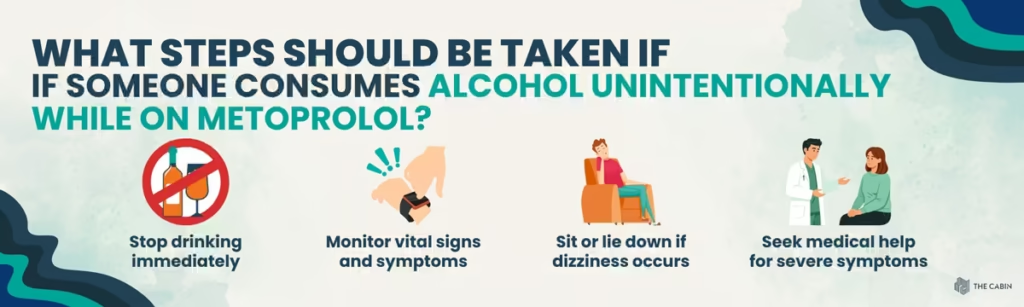
- Stop drinking immediately. Discontinue alcohol intake to prevent further interaction with metoprolol. Avoid additional consumption to limit further blood pressure and heart rate reduction.
- Monitor vital signs and symptoms. Keep track of blood pressure, heart rate, and any noticeable symptoms such as dizziness or lightheadedness. Observe for bradycardia, weakness, confusion, or unusual fatigue over several hours.
- Sit or lie down if dizziness occurs. Rest in a comfortable position to reduce the risk of fainting or injury. Stand slowly after resting to minimize orthostatic hypotension.
- Seek medical help for severe symptoms. Contact a healthcare provider or go to the emergency room if symptoms worsen or become severe. Early evaluation lowers complication risk and supports timely intervention.
Warning signs that require emergency care are listed below. These signs indicate potentially serious cardiovascular compromise.
- Severe dizziness or fainting
- Chest pain or tightness
- Difficulty breathing
- Extremely slow heart rate (bradycardia)
- Confusion or inability to focus
Patients with heart disease, arrhythmias, or concurrent antihypertensive therapy should exercise heightened caution, because underlying conditions increase vulnerability to compounded drug–alcohol effects.
Are there more cautious approaches to drinking alcohol when prescribed Metoprolol?
Yes, there are more cautious approaches to drinking alcohol when prescribed metoprolol. Risk mitigation focuses on reducing dose, pacing intake, and monitoring physiological response. Lowering the amount of alcohol consumed is important to lowering the risks. Smaller quantities reduce additive hypotension and bradycardia. Avoid binge drinking, as it amplifies metoprolol’s effects on blood pressure and heart rate. High-volume intake over a short period increases syncope and fall risk. Space out alcoholic drinks over time to prevent excessive drowsiness and hypotension. Slower consumption moderates peak blood alcohol concentration and supports metabolic clearance. Drinking water is essential to staying hydrated because alcohol can cause dehydration, which amplifies metoprolol’s effects. Adequate hydration helps stabilize vascular tone and reduces orthostatic symptoms. Take the lowest effective dose of metoprolol to minimize potential interactions if possible. Dose adjustments must occur only under medical supervision to preserve therapeutic benefit. Avoid activities (driving after drinking), as alcohol impairs coordination and reaction time. Consult a healthcare provider before consuming alcohol while on metoprolol to ensure safety and receive personalized guidance on alcohol consumption based on patient health conditions and medication dosages, especially in individuals with arrhythmias, heart failure, or multiple cardiovascular medications.

Could alcohol combined with Metoprolol influence mental well-being?
Yes, alcohol combined with metoprolol could influence mental well-being. The interaction alters neurochemical balance and autonomic regulation, which can affect mood stability and cognitive clarity. Alcohol and Metoprolol depress the central nervous system (CNS), leading to increased sedation, which results in heightened drowsiness and impaired cognitive function. Additive suppression slows reaction time, reduces alertness, and weakens executive processing. The interaction causes mood changes, including increased feelings of anxiety or depression, and interferes with normal sleep patterns, leading to poor sleep quality or insomnia. Alcohol fragments sleep architecture and reduces restorative cycles, which lowers next-day emotional resilience. Alcohol undermines its effectiveness by introducing unpredictable shifts in mood and heightened nervousness for patients taking metoprolol to manage anxiety. Fluctuating heart rate and blood pressure responses may intensify perceived anxiety symptoms. The compounded effects impair daytime functioning, affecting concentration, decision-making, and productivity. Persistent disruption may increase stress sensitivity and reduce overall quality of life. The combination of alcohol and metoprolol disrupts the stability needed for proper anxiety treatment and leads to worsened mental health outcomes. Consult a healthcare provider for personalized advice regarding alcohol consumption while on metoprolol, especially for individuals treated for anxiety, arrhythmias, or hypertension.
Can the combination of alcohol and Metoprolol raise your chances of dizziness, fainting, or accidental falls?
Yes, the combination of alcohol and metoprolol can raise your chances of dizziness, fainting, or accidental falls. Additive cardiovascular suppression and central nervous system depression increase instability risk. Alcohol and metoprolol lower blood pressure, increasing the risk of orthostatic hypotension, a condition where blood pressure drops when standing up. Reduced vascular resistance and decreased cardiac output limit compensatory response during position changes. Dizziness, lightheadedness, and fainting may result from this, particularly when standing up after sitting for a while. Decreased cerebral perfusion during hypotensive episodes elevates syncope probability. Alcohol impairs coordination and reaction time, which increases the risk of falls and injuries. Slowed reflexes and impaired balance heighten environmental hazard exposure. The elderly or patients on multiple medications (polypharmacy) are at an even higher risk. Older adults have lower baseline blood pressure and may be more sensitive to the effects of alcohol and metoprolol, increasing the chance of dangerous side effects. Age-related autonomic decline reduces adaptive cardiovascular responses. Polypharmacy complicates the situation, as interactions with other medications may further worsen dizziness or impair coordination. Concomitant antihypertensives, sedatives, or diuretics may amplify hypotension and sedation. Patients must consult a healthcare provider before consuming alcohol while on metoprolol, especially if they have arrhythmias, heart failure, or balance disorders.
Is a small serving of wine generally considered low-risk for someone taking Metoprolol?
Yes, a small serving of wine is generally considered low-risk for someone taking metoprolol, but it depends on factors (the dose of metoprolol, comorbidities, and other medications). Low-risk does not mean risk-free, as individual cardiovascular stability and medication response vary. A small amount of alcohol may not interfere with metoprolol’s action for patients. Limited intake may produce minimal hemodynamic change in otherwise stable individuals. Higher doses of metoprolol or the presence of certain health conditions (heart disease, liver impairment) increase the risk of side effects (dizziness and hypotension). Greater beta-blockade intensifies heart rate reduction, which may amplify alcohol-induced vasodilation. Alcohol consumption thresholds vary depending on a person’s health and medication schedule, so it’s important to speak with a healthcare professional for tailored guidance. Personalized evaluation accounts for arrhythmias, concurrent antihypertensive therapy, and baseline blood pressure control.
Does Metoprolol increase sensitivity to alcohol’s physical or cognitive effects?
Yes, metoprolol increases sensitivity to alcohol’s physical or cognitive effects. Beta-1 adrenergic blockade reduces cardiovascular compensation, which magnifies alcohol’s hemodynamic impact. Metoprolol and alcohol depress the central nervous system, leading to amplified sedative effects, which increase drowsiness and impaired coordination. Additive central nervous system suppression slows reaction time and weakens executive function. Alcohol and metoprolol work together to lower blood pressure and slow heart rate, which results in excessive dizziness and lightheadedness. Reduced cerebral perfusion during hypotensive episodes elevates syncope risk. The combined effects make patients more susceptible to falls or fainting. Patient-reported experiences include increased dizziness, sleepiness, and difficulty concentrating, as alcohol and metoprolol impair cognitive function. Cognitive slowing and reduced alertness may compromise work performance and driving safety. The interaction between the two substances intensifies the symptoms, interfering with normal daily functioning. Monitoring alcohol consumption and discussing potential risks with a healthcare provider is important for patients taking metoprolol, especially in individuals treated for arrhythmias, hypertension, or anxiety-related conditions.
What amount of alcohol is viewed as safer for individuals taking beta-blockers such as Metoprolol?
No amount of alcohol is viewed as safer for individuals taking beta-blockers such as metoprolol. Clinical guidance emphasizes risk minimization rather than defining a completely safe threshold. The ideal intake varies depending on factors like age, metoprolol dose, comorbidities (heart disease, liver conditions), and other medications. Cardiovascular stability, hepatic metabolism, and concurrent antihypertensive therapy all influence tolerance. Conservative guidelines suggest limiting alcohol to one standard drink per day for most patients. Even this limit may not be appropriate for individuals with unstable blood pressure or arrhythmias. Personal limits must be adjusted based on the patient’s health conditions. Older adults or patients on higher doses of metoprolol may experience heightened effects from alcohol, increasing the risk of dizziness, fainting, and low blood pressure. Age-related autonomic decline reduces the body’s ability to compensate for hemodynamic shifts. Binge drinking must be strictly avoided, as it causes significant cardiovascular instability. Rapid alcohol intake intensifies hypotension and bradycardia, which elevates syncope and injury risk. Mixing alcohol with other CNS depressants (sedatives or sleep aids) amplifies the sedative effects and increases the risk of impaired coordination, drowsiness, and cognitive dysfunction. Consulting a healthcare provider for personalized recommendations is essential. The combination of alcohol with Beta Blockers increases the risk of harmful interactions, requiring careful consideration to prevent serious side effects (dizziness, fainting, and impaired coordination), particularly in patients with arrhythmias, heart failure, or polypharmacy.
True wellness means healing from the inside out, and alcohol shouldn’t stand in the way of your progress.
Don’t let a temporary drink slow down your long-term healing. If alcohol is starting to affect your physical health or recovery, it may be time to take a closer look at your habits. At The Cabin Chiang Mai, a leading rehab facility in northern Thailand, we provide a structured, alcohol-free environment for recovery from substance use disorders. Our evidence-based treatments are competitively priced and tailored to individual needs. Contact us today for a free evaluation. Our team will respond within 24 hours to help you start a healthier chapter in your life.