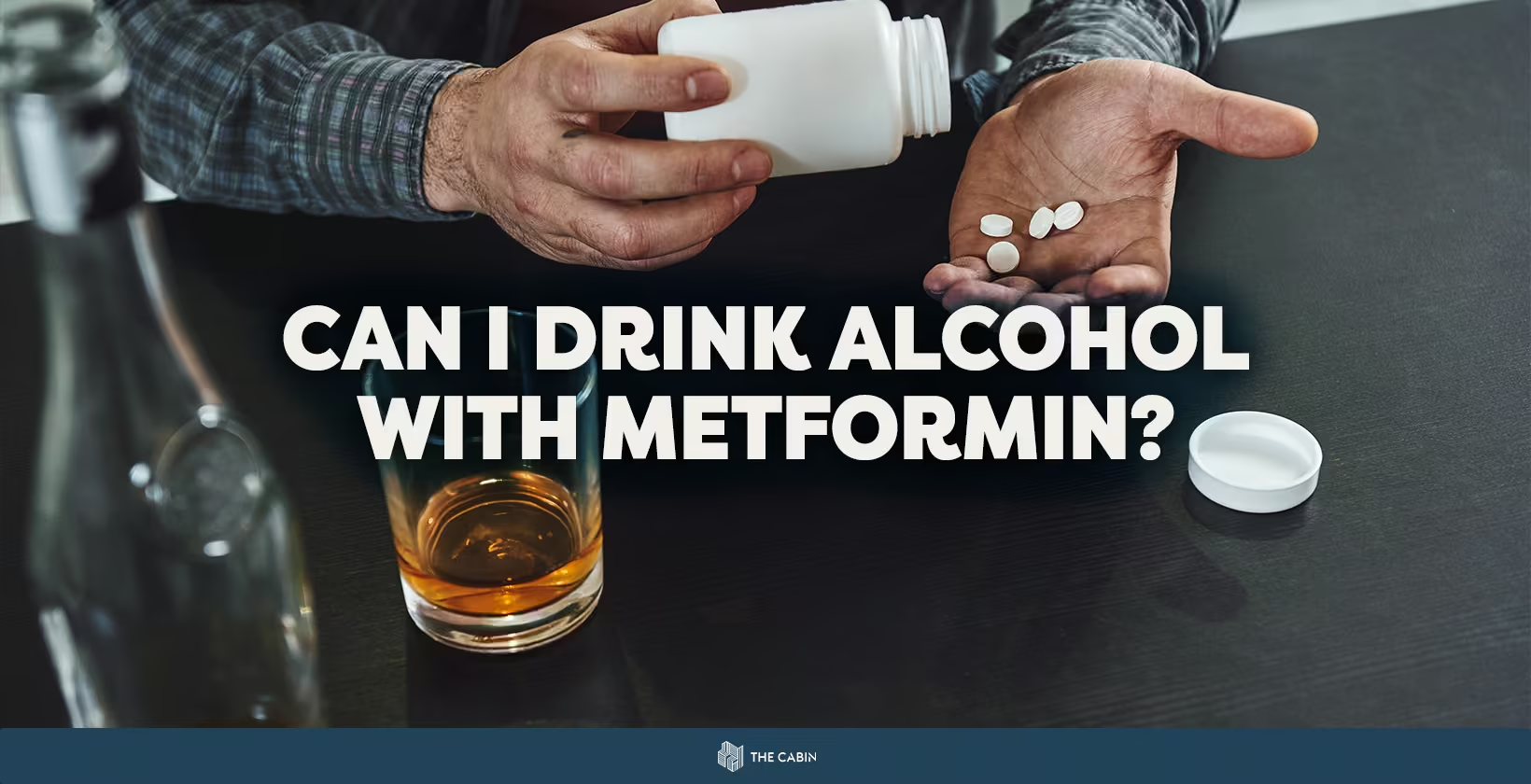
In general, drinking alcohol while taking Metformin is not recommended, especially without medical guidance. Metformin is an oral medication that improves insulin sensitivity and lowers blood sugar, while alcohol interferes with glucose regulation and places stress on the digestive system. When combined, these substances work against each other inside the body. Common side effects of Metformin, including nausea, vomiting, and diarrhea, become stronger when alcohol is consumed. The risk of lactic acidosis, a rare but serious condition where lactic acid builds up in the blood, increases when alcohol intake overlaps with Metformin use. Heavy drinking or pre-existing liver and kidney issues create higher risks because the body struggles to process alcohol and Metformin at the same time.
Safe drinking limits are difficult to define since tolerance varies, but spacing alcohol away from Metformin doses does not eliminate danger due to the drug’s continuous activity in the body. Metformin remains active throughout the day, which means timing alcohol intake does not fully reduce interaction risk. Hypoglycemia becomes more likely when alcohol reduces glucose release from the liver, while Metformin lowers blood sugar through improved insulin sensitivity. Drinking on Metformin demonstrates conflicting effects, as Metformin promotes metabolic stability while alcohol disrupts digestion, hydration, and blood sugar control.
Can Metformin be abused?
Yes, Metformin can be abused if taken without proper medical guidance or for reasons unrelated to diabetes. Although Metformin is not addictive, misuse still carries real health risks. Abuse happens when doses exceed recommendations or when the medication is used without supervision. Misuse can unnecessarily burden the liver, kidneys, and digestive system and increase the likelihood of adverse metabolic effects over time.
What Happens if you Drink Alcohol on Metformin?
Drinking alcohol while taking Metformin can lead to severe or potentially life-threatening complications, depending on individual health and drinking patterns. Alcohol intake reduces the liver’s ability to release glucose, while Metformin lowers blood sugar through improved insulin sensitivity, which together increase the risk of hypoglycemia. Nausea, vomiting, dizziness, and abdominal discomfort are side effects that intensify when alcohol irritates the stomach lining and slows digestion. The most serious complication is lactic acidosis, a rare but life-threatening condition where lactic acid accumulates in the blood, leading to fatigue, muscle pain, weakness, and breathing difficulties.
The danger increases for patients with pre-existing liver or kidney disease, since both alcohol and Metformin rely on these organs for processing and clearance. Heavy drinking intensifies toxicity and reduces the body’s ability to recover from metabolic stress. The interaction between alcohol and Metformin demonstrates conflicting effects, as Metformin supports metabolic stability while alcohol disrupts digestion, hydration, and blood sugar balance. Patients with alcohol addiction further complicate treatment outcomes by weakening organ function, destabilizing glucose control, and increasing vulnerability to chronic complications. Avoiding alcohol during Metformin therapy remains the safest approach for protecting health and maintaining effective treatment.
Is It Safe to Drink Alcohol on Metformin for Diabetes or PCOS?
In general, drinking alcohol while taking Metformin for diabetes or Polycystic Ovary Syndrome (PCOS) is not considered safe without medical supervision. Metformin boosts insulin sensitivity and helps control blood sugar, while alcohol can disrupt glucose levels and burden the liver. When combined, these effects place competing demands on metabolic regulation. Alcohol raises the risk of hypoglycemia by impairing the liver’s capacity to release glucose, whereas Metformin lowers blood sugar through metabolic regulation. Alcohol also hampers hormonal balance and decreases insulin sensitivity, which can undermine the effectiveness of Metformin’s benefits for both diabetes and PCOS management. Side effects (dizziness) such as dizziness can worsen when alcohol is combined with Metformin.
Lactic acidosis is a serious risk that rises with concurrent alcohol use and Metformin, particularly in patients with liver or kidney problems. Moderation does not reduce the risk because Metformin stays active in the body, and alcohol may still interfere with glucose regulation and digestion. For this reason, avoiding alcohol during treatment for diabetes or PCOS is strongly advised. Alcohol and Metformin have opposing effects: Metformin stabilizes metabolism, while alcohol interferes with digestion, hydration, and blood sugar control. Responsible medical guidance remains necessary for safe management of alcohol with diabetes or PCOS during Metformin therapy.
How does Alcohol Affect Metformin in the Body?

Alcohol affects Metformin in the body by interfering with its intended regulation of blood sugar and metabolic balance. Alcohol metabolism reduces the liver’s ability to release glucose into the bloodstream, while Metformin lowers blood sugar through improved insulin sensitivity. The combination of these actions increases the risk of hypoglycemia, which creates dangerous fluctuations in energy levels and weakens metabolic stability. The liver and kidneys process both alcohol and Metformin, but alcohol intake strains these organs, reducing their efficiency. The liver struggles to manage glucose output, and the kidneys may find it harder to filter waste and maintain fluid balance.
Prolonged metabolic stress raises the risk of complications such as lactic acidosis, a rare but serious buildup of lactic acid in the blood. Blood sugar control falters when alcohol overlaps with Metformin, causing unpredictable spikes or drops that hinder effective treatment. Alcohol also adds empty calories, slowing weight loss despite Metformin’s metabolic benefits. It disrupts appetite regulation and undermines dietary efforts. Alcohol and Metformin demonstrate opposing effects, as Metformin promotes metabolic stability while alcohol interferes with digestion, organ function, and metabolic regulation.
Can Metformin and Alcohol Kill You?
Yes, combining Metformin and alcohol can be life-threatening under certain conditions. The primary danger is lactic acidosis, a rare but serious complication in which lactic acid accumulates in the blood and overwhelms the body’s metabolic systems. Heavy drinking raises this risk by impairing liver function and reducing glucose release, while Metformin simultaneously slows glucose production. Pre-existing liver or kidney disease significantly increases danger because these organs are responsible for processing both alcohol and medication, and weakened function hampers safe toxin clearance.
Warning signs of lactic acidosis include fatigue, muscle pain, breathing difficulty, abdominal discomfort, and irregular heartbeat. Urgent medical care is required if symptoms appear, as untreated lactic acidosis can progress rapidly and lead to organ failure. Alcohol mixed with Metformin creates conflicting metabolic effects that increase strain on vital organs. Avoiding alcohol during Metformin therapy is one of the most effective ways to prevent fatal complications and support safer management of chronic conditions such as diabetes.
How Much Alcohol Can You Safely Drink While on Metformin?
There is no fixed or universally safe amount of alcohol you can drink while taking Metformin. Alcohol consumption can disrupt blood sugar control and raise the risk of lactic acidosis, a rare but serious complication. Safe limits differ based on personal health, dosage, and frequency of use, as liver function, kidney health, and individual metabolism affect how the body processes both alcohol and Metformin. Heavy drinking places excessive strain on vital organs and increases complications, while even light drinking can disrupt glucose balance and undermine Metformin’s therapeutic benefits.
Medical advice is essential, as healthcare providers assess individual health factors before recommending any alcohol limits. Risks can vary widely between individuals, self-determined “safe” limits are unreliable. Misuse of alcohol in this context reflects patterns seen with abused substances, where short-term intake undermines long-term health and increases vulnerability to chronic metabolic complications. Avoiding alcohol during treatment supports safer outcomes and preserves the intended benefits of Metformin therapy.
Should you Skip Metformin When Drinking Alcohol?
No, you should not skip Metformin when drinking alcohol. Irregular dosing disrupts blood sugar control and weakens the medication’s therapeutic effect. Metformin is prescribed to maintain consistent insulin sensitivity and stable glucose levels, and skipping doses interrupts this balance. Unstable dosing increases the risk of hyperglycemia or hypoglycemia, creating dangerous fluctuations in energy and metabolism.
Safer alternatives include avoiding alcohol during treatment, as alcohol interferes with liver function and raises lactic acid levels. Spacing alcohol away from doses does not eliminate risk because Metformin remains active in the body throughout the day. Regular adherence to prescribed dosing promotes metabolic stability, while avoiding alcohol reduces strain on the liver, kidneys, and digestive system. Proper management involves consistent Metformin use combined with alcohol avoidance to safeguard long-term health outcomes.
SECTION FOR ALCOHOL REHAB CTA
How Long After Taking Metformin can you Drink Alcohol?
There is no safe timeframe in which drinking alcohol after taking Metformin is considered risk-free. Metformin remains active in the body for an extended period, and drinking alcohol while it is active raises the risk of serious complications, including lactic acidosis. The half-life of Metformin averages around six hours, but its therapeutic effects persist throughout the day because the drug accumulates in tissues and continuously regulates blood sugar. Alcohol interferes with liver function by reducing glucose release, while Metformin lowers blood sugar through improved insulin sensitivity, creating a risky overlap that destabilizes metabolic balance.
Timing recommendations emphasize complete avoidance of alcohol during Metformin therapy rather than attempting to space alcohol intake away from doses. Metformin continues to influence digestion, insulin activity, and glucose control beyond 12 hours, which means alcohol intake remains unsafe even well after dosing. The interaction strains the liver and kidneys, increases gastrointestinal distress, raises hypoglycemia risk, and heightens the chance of organ damage. Evidence shows that alcohol consumption at any point during Metformin treatment undermines therapeutic goals and introduces risks that outweigh perceived benefits.
Can Drinking Alcohol on Metformin Cause Low Blood Sugar?
Yes, drinking alcohol on Metformin can cause low blood sugar. Alcohol impairs the liver’s ability to release glucose, while Metformin improves insulin sensitivity to lower blood sugar levels. Using both together significantly raises the risk of hypoglycemia, which can cause symptoms such as sweating, dizziness, confusion, blurred vision, trembling, and fatigue.
In severe cases, hypoglycemia may lead to seizures, unconsciousness, or irregular heartbeat, requiring immediate medical attention. Warning signs like sudden mood changes or difficulty focusing indicate dangerously low blood sugar levels. Monitoring glucose during alcohol intake requires consistent testing before, during, and after drinking. Balanced meals with complex carbohydrates reduce the likelihood of sudden drops, while adequate hydration supports metabolic stability. Avoiding heavy drinking helps prevent prolonged disruption of glucose regulation, and medical supervision ensures safer treatment management. The interaction between alcohol and Metformin demonstrates opposing effects, as alcohol interferes with glucose release while Metformin lowers blood sugar, increasing hypoglycemia risk.
Does Alcohol Increase Metformin Side Effects Like Nausea?
Yes, alcohol increases Metformin side effects like nausea. Metformin produces nausea, vomiting, abdominal pain, bloating, and diarrhea. Alcohol irritates the stomach lining and slows digestion, which intensifies discomfort and prolongs recovery from gastrointestinal symptoms. The combination of alcohol and Metformin places additional strain on the liver and kidneys, the organs responsible for processing both substances, further increasing symptom severity.
Strategies to reduce discomfort include maintaining hydration throughout the day, consuming balanced meals with complex carbohydrates, and avoiding alcohol intake during treatment. Hydration supports metabolic stability and reduces dizziness, while food intake helps protect the stomach lining and lowers the risk of sudden blood sugar drops. Consistent avoidance of alcohol during Metformin therapy prevents unnecessary digestive strain and reduces the likelihood of severe complications, including lactic acidosis. The interaction between alcohol and Metformin highlights conflicting effects, as Metformin promotes metabolic regulation while alcohol disrupts digestion and organ function.
Are Certain Alcoholic Drinks Safer to Consume While Taking Metformin?
No type of alcoholic drink is considered safer to consume while taking Metformin. Beer, wine, spirits, and low-alcohol beverages all create risks because each interferes with blood sugar regulation and places strain on the liver and kidneys. Beer contains high carbohydrate levels that raise blood sugar quickly, while wine introduces concentrated sugars that destabilize glucose control. Spirits deliver higher alcohol percentages that intensify dehydration and increase the risk of lactic acidosis. Low-alcohol beverages reduce alcohol concentration but still contribute empty calories and weaken appetite control, which undermines the therapeutic benefits of Metformin.
Sugar content in alcoholic drinks creates unpredictable spikes in blood glucose, while alcohol percentage determines the severity of metabolic disruption. Hydration is compromised because alcohol promotes fluid loss, increasing dizziness, fatigue, and gastrointestinal discomfort. Moderation does not eliminate risk, since Metformin remains active in the body throughout the day and continues to interact with alcohol. Safer options involve complete avoidance of alcohol during treatment, as no drink protects against combined organ strain, unstable glucose levels, and weakened metabolic stability. Consistent adherence to medical guidance ensures that Metformin functions effectively without interference from alcohol intake.
Can you Drink Beer, Wine, or Spirits While on Metformin?
Beer, wine, and spirits are not recommended while taking Metformin. Each type of alcoholic drink interacts with Metformin in ways that increase health risks and weaken treatment outcomes. Beer contains high carbohydrate levels that rapidly raise blood sugar, directly conflicting with Metformin’s role in lowering glucose. Wine introduces concentrated sugars that destabilize glucose control and strain digestion. Spirits deliver higher alcohol percentages that intensify dehydration, increase the risk of lactic acidosis, and place greater stress on the liver and kidneys.
The quantity of alcohol consumed influences severity, as larger amounts create stronger interference with blood sugar regulation and organ function. Even small servings can disrupt metabolic stability because Metformin remains active throughout the day. Differences in risk depend on drink type, with beer and wine contributing more sugar-related instability and spirits producing stronger toxic effects due to higher alcohol concentration. Moderation does not eliminate danger, as alcohol consistently undermines Metformin’s therapeutic benefits. Medical supervision is necessary for safe management, since healthcare providers evaluate organ health, dosage, and treatment goals before offering guidance. Complete avoidance of alcohol during Metformin therapy remains the safest approach.
Does the Dose of Metformin (500 mg vs 1000 mg) Affect Alcohol Safety?
Yes, the dose of Metformin (500 mg vs 1000 mg) affects alcohol safety. A lower dose (500 mg) generally produces fewer gastrointestinal side effects and places relatively less strain on the liver and kidneys, while a higher dose (1000 mg) increases sensitivity to alcohol and raises the risk of complications. Dosage influences tolerance because greater amounts of Metformin remain active in the body for longer periods, intensifying interaction with alcohol metabolism.
Higher-dose considerations include increased risk of lactic acidosis, more pronounced nausea, and a greater likelihood of dizziness or abdominal discomfort when alcohol is consumed. The danger becomes more severe in patients with pre-existing liver or kidney conditions, where organ function is already compromised. Blood sugar instability is more likely at higher doses, since alcohol reduces glucose release from the liver while Metformin lowers blood sugar through improved insulin sensitivity. Medical guidance is essential for dose-specific decisions, as healthcare providers assess organ health, treatment goals, and individual tolerance. Avoiding alcohol during treatment supports safer outcomes for both lower and higher Metformin doses.
Can Drinking Alcohol Reduce Metformin’s Effectiveness for Blood Sugar Control or Weight Loss?
Yes, drinking alcohol can reduce Metformin’s effectiveness for blood sugar control and weight loss. Alcohol hampers liver function by reducing glucose release, directly conflicting with Metformin’s role in lowering blood sugar through improved insulin sensitivity. This interaction can cause unstable glucose levels, diminishing the medication’s effectiveness. Alcohol also provides empty calories that promote weight gain, further undermining Metformin’s metabolic benefits.
Drinking frequency, amount consumed, and existing organ conditions can worsen the severity of disruption. Alcohol intake interferes with appetite regulation and dietary consistency, making weight management more difficult. Avoiding alcohol during Metformin therapy helps maintain metabolic stability and preserves the medication’s benefits for people managing diabetes or other metabolic disorders.
Is Drinking Alcohol While on Metformin Riskier for People With Liver, Kidney, or Diabetes Issues?
Yes, drinking alcohol while on Metformin is riskier for people with liver, kidney, or diabetes issues. Alcohol impairs liver function by decreasing glucose release, which amplifies Metformin’s blood sugar–lowering effects and raises hypoglycemia risk. Kidney impairment further compounds danger because both alcohol and Metformin rely on renal clearance, and reduced kidney function can lead to toxic buildup.
Diabetes introduces an additional risk factor, as alcohol disrupts glucose regulation while Metformin works to stabilize it. This interaction causes unpredictable blood sugar fluctuations that undermine treatment effectiveness. Heavy drinking, pre-existing organ damage, and irregular glucose control significantly increase complication severity. Lactic acidosis, gastrointestinal distress, dizziness, and prolonged fatigue become more likely when organ function is compromised. Avoiding alcohol during Metformin therapy protects against severe complications and supports safer long-term management of liver, kidney, and diabetes-related conditions.
What Foods and Drinks Should You Avoid While Taking Metformin and Drinking Alcohol?

Foods and drinks you should avoid while taking Metformin and drinking alcohol are items that destabilize blood sugar or place additional strain on the digestive system. These choices can worsen side effects and interfere with Metformin’s ability to regulate glucose effectively. Sugary foods such as desserts, sweetened beverages, and processed snacks create rapid spikes in glucose that conflict with Metformin’s role in lowering blood sugar. High-fat meals, including fried foods, fast food, and heavy sauces, slow digestion and increase gastrointestinal discomfort, which becomes more severe when alcohol irritates the stomach lining.
Beer, wine, and spirits are alcoholic drinks that increase the risk of lactic acidosis and intensify side effects such as nausea, vomiting, and diarrhea. Sweetened cocktails introduce concentrated sugars that destabilize glucose control, while strong spirits increase dehydration and place greater stress on the liver and kidneys. Caffeinated drinks like energy drinks or strong coffee create further instability by stimulating the nervous system and interfering with hydration, which worsens dizziness and fatigue.
Balanced meals with complex carbohydrates, lean proteins, and vegetables support metabolic stability, while water and unsweetened herbal teas reduce digestive strain. Avoidance of alcohol alongside high-sugar or high-fat foods during Metformin therapy provides the greatest protection against metabolic disruption. This approach protects against unpredictable blood sugar fluctuations and reduces the likelihood of severe complications. Consistent dietary discipline ensures that Metformin functions effectively without interference from harmful food and drink choices.
Can You Drink on Metformin for PCOS?
Drinking alcohol while taking Metformin for PCOS is not considered safe. Metformin is prescribed to improve insulin sensitivity and regulate blood sugar, while alcohol interferes with liver function and reduces glucose release, creating a metabolic imbalance. Alcohol intake disrupts hormonal regulation and weakens the metabolic benefits of Metformin for individuals with PCOS, undermining treatment goals. Heavy drinking, pre-existing liver or kidney conditions, and irregular dietary habits further increase risk. These risks become more pronounced when alcohol irritates the digestive system and destabilizes insulin response. Severe complications such as lactic acidosis can arise when alcohol and Metformin overwhelm metabolic pathways, creating potentially life-threatening consequences. Avoiding alcohol during Metformin therapy supports stable blood sugar control, safer hormonal balance, and more effective long-term management of PCOS.
Can Metformin Cause Acid Reflux or Other Digestive Issues When Combined With Alcohol?
Yes, Metformin can cause acid reflux or other digestive issues when combined with alcohol. Metformin frequently produces gastrointestinal side effects, including nausea, vomiting, abdominal pain, bloating, and diarrhea, and alcohol intensifies these reactions by irritating the stomach lining and slowing digestion. The combination increases the likelihood of acid reflux because alcohol relaxes the lower esophageal sphincter, allowing stomach acid to move upward into the esophagus. Metformin already places stress on the digestive tract, which increases sensitivity to irritation.
Heavy drinking, pre-existing gastrointestinal issues, and higher Metformin doses are factors that increase risk. Common symptoms include a burning sensation in the chest, sour taste, indigestion, and bowel irregularities. Hydration and balanced meals can help lessen irritation, but alcohol consistently worsens side effects and destabilizes metabolic control. Metformin and alcohol demonstrate conflicting effects, as Metformin supports glucose regulation while alcohol hampers digestion and organ function, increasing the risk of persistent digestive problems.
Can Non-Alcoholic Beer or Low-Alcohol Drinks Be Safer on Metformin?
Non-alcoholic beer and low-alcohol drinks are not considered safer options while taking Metformin. Non-alcoholic beer contains small amounts of alcohol and carbohydrates that interfere with blood sugar regulation, while Metformin is designed to stabilize glucose levels. Low-alcohol drinks reduce alcohol concentration but still place strain on the liver and kidneys, the organs responsible for processing both alcohol and medication. Even minimal alcohol exposure can disrupt metabolic balance when Metformin is active.
Sugar content, fermentation byproducts, and fluid loss contribute to digestive discomfort and metabolic instability. Characteristics of risk, such as nausea, bloating, diarrhea, and unpredictable blood sugar changes, become more pronounced when alcohol is present in any amount. Beverages marketed as non-alcoholic also introduce empty calories that weaken weight management efforts associated with Metformin therapy. Complete avoidance of alcohol-containing drinks during treatment supports safer outcomes and helps prevent complications, including lactic acidosis, gastrointestinal distress, and unstable glucose control.
Does Metformin Reduce Alcohol Cravings or the Desire to Drink?
Metformin is not proven to reduce alcohol cravings or the desire to drink. Metformin is prescribed for blood sugar regulation and metabolic improvement, and its primary mechanism targets insulin sensitivity rather than reward pathways involved in addictive behavior. Studies have explored potential effects on appetite and reward signaling, suggesting Metformin may influence food intake patterns or reduce preference for high-calorie foods. However, evidence remains limited and inconsistent when it comes to alcohol consumption specifically.
Anecdotal reports describe some individuals experiencing reduced interest in alcohol while taking Metformin, but clinical research does not confirm a consistent or reliable effect across larger populations. Research indicates that any influence on alcohol craving is secondary and not strong enough to serve as a treatment for alcohol dependence. Treatment for alcohol misuse requires structured medical and psychological interventions such as counseling, behavioral therapy, or addiction-specific medications that directly target addictive pathways. Metformin remains a medication for metabolic disorders, and its role in alcohol use is incidental rather than therapeutic. Avoiding alcohol during Metformin therapy protects against complications like lactic acidosis, gastrointestinal distress, and unstable blood sugar, while professional treatment addresses the underlying causes of alcohol dependence.
What is the Difference Between Metformin and Ozempic?
The difference between Metformin and Ozempic lies in form, mechanism, and risk profile, although both are used to control blood sugar in people with type 2 diabetes. Alcohol interacts with each medication differently, creating distinct safety concerns. Metformin is an oral medication that lowers blood sugar by reducing liver glucose production and improving insulin sensitivity. Ozempic (semaglutide) is a weekly injectable that mimics the glucagon-like peptide-1 (GLP-1) hormone, stimulating insulin release, slowing digestion, and signaling fullness.
Metformin is taken daily as a pill, while Ozempic is injected once weekly. Metformin carries a rare risk of lactic acidosis, whereas Ozempic has been associated with pancreatitis and gallbladder-related issues. Both medications help manage type 2 diabetes and reduce long-term complications such as cardiovascular disease and nerve damage. They also share gastrointestinal side effects, including nausea, vomiting, and diarrhea.
Alcohol interacts with these medications in different ways. Metformin combined with alcohol raises the risk of lactic acidosis because alcohol impairs liver function and intensifies Metformin’s glucose-lowering effects. Ozempic combined with alcohol does not cause lactic acidosis but can delay alcohol breakdown, increase intoxication, and worsen gastrointestinal symptoms such as nausea. Ozempic may reduce alcohol desire in some individuals, but this effect is inconsistent and not clinically reliable.
The contrast in alcohol interaction highlights unique risks. Metformin combined with alcohol threatens metabolic stability and organ function, while Ozempic and alcohol increase intoxication intensity and digestive discomfort. These differences reinforce the importance of alcohol avoidance during treatment to preserve medication benefits and prevent serious complications.
Understand the Risks and Consult a Specialist
Don’t let a temporary escape derail your progress. Recovery is about clarity and protecting your health. If you’re struggling to stop drinking while managing symptoms, you don’t have to handle it alone. At The Cabin, we provide professional support to help you regain control and stay safe.
Begin Your Path to Recovery
For Healthcare Professionals Referring Clients
We collaborate with healthcare providers, including GPs, psychiatrists, psychologists, counsellors, and case managers, to ensure seamless referrals. If you wish to refer a client or patient, please connect with us via email, phone, or our online contact form; we’re here to help guide your clients on their path to recovery.
For Individuals Seeking Treatment
At the Cabin, treatment is more than addressing addiction or mental health challenges — it’s an opportunity to embark on a profound journey of self-care discovery and personal growth. Our holistic approach nurtures lasting change and a healthier, more fulfilled life.
For Loved Ones Seeking Support
The Cabin offers specialized care that tackles both addiction and related mental health concerns. We create a compassionate environment where loved ones can find the healing and support they need to rebuild their lives and move forward with confidence.