Losartan and alcohol present a clinically relevant interaction that affects blood pressure stability and neurologic function, particularly through additive vasodilation and autonomic disruption. Losartan functions as an angiotensin II receptor blocker (ARB) that lowers blood pressure, protects kidney function in patients with diabetes, and supports management of certain cardiovascular conditions by inhibiting angiotensin II–mediated vasoconstriction.
General medical guidance does not recommend routine alcohol use during Losartan therapy, since alcohol can amplify antihypertensive effects and destabilize cardiovascular regulation during drinking on Losartan. Combined exposure may increase dizziness, excessive blood pressure drops during standing movements described as orthostatic hypotension, and fatigue or drowsiness due to overlapping vasodilatory effects. Fainting risk increases when reduced cerebral perfusion follows sudden blood pressure reduction during posture changes or exertion. Limiting or avoiding alcohol during Losartan treatment supports stable blood pressure control, consistent renal protection, and reduced fall risk in susceptible individuals.
Is It Safe to Eat Bananas While Taking Losartan?
No, it is not safe to eat bananas while taking Losartan without dietary awareness and potassium monitoring. Losartan acts as an angiotensin receptor blocker that lowers blood pressure and reduces aldosterone activity, which increases potassium retention in the body. Bananas contain high potassium levels, and combined intake may raise the risk of hyperkalemia, which can disrupt cardiac rhythm and impair kidney function in susceptible individuals. Risk increases further in patients with chronic kidney disease, diabetes-related kidney involvement, or concurrent potassium-elevating medications such as ACE inhibitors or potassium-sparing diuretics. Medical guidance supports moderated potassium intake and periodic serum potassium monitoring rather than unrestricted banana consumption during Losartan therapy. Individual tolerance varies based on renal function, baseline potassium levels, and total dietary potassium load, so personalized dietary planning with a healthcare provider remains essential.
Can you Safely Drink Alcohol While Using Losartan?
No, you cannot safely drink alcohol while using Losartan, particularly when blood pressure control and hydration status are not closely monitored. Losartan lowers blood pressure through angiotensin II receptor blockade, and alcohol induces peripheral vasodilation that can intensify antihypertensive effects during acute exposure. Combined use increases the likelihood of sudden blood pressure drops that may present as orthostatic hypotension, dizziness, blurred vision, or generalized weakness during posture changes. Alcohol promotes dehydration through increased urine output, which reduces circulating blood volume and further amplifies hypotensive responses during Losartan therapy. Patients with baseline hypotension, kidney impairment, or cardiovascular disease face an elevated risk of symptomatic instability. Clinical management of Losartan includes routine blood pressure monitoring and consultation with the prescribing clinician, particularly in cases involving addiction to alcohol, since repeated exposure increases cardiovascular variability and compromises treatment effectiveness. Limiting or avoiding alcohol remains the safest strategy to preserve consistent blood pressure control and reduce fall risk during Losartan treatment.
What happens in the body if alcohol is consumed together with Losartan?
Physiologic suppression of cardiovascular stability and autonomic regulation can occur in the body if alcohol is consumed together with Losartan, particularly through additive blood pressure reduction and impaired compensatory reflexes. Losartan reduces vascular resistance through angiotensin II receptor blockade, and alcohol introduces peripheral vasodilation that may intensify blood pressure lowering beyond therapeutic targets. Reduced cerebral perfusion can follow systemic hypotension, which explains dizziness, balance impairment, and transient cognitive disruption during combined exposure. Alcohol also alters central nervous system signaling and weakens autonomic reflexes that normally maintain posture and consciousness, increasing vulnerability to sudden symptoms such as lightheadedness or fainting.Clinical concerns associated with Losartan exposure with alcohol include symptomatic hypotension, increased fall risk, and potential renal stress from reduced kidney perfusion combined with dehydration, which characterizes the documented profile of Losartan alcohol interaction and Losartan mixed with alcohol. Together, these physiologic effects explain how concurrent exposure destabilizes cardiovascular control mechanisms and reinforce the need for cautious alcohol use during antihypertensive therapy.
Does alcohol interfere with how Losartan works internally?
Yes, alcohol interferes with how Losartan works internally through overlapping pharmacodynamic effects rather than direct metabolic blockade. Losartan functions as an angiotensin II receptor blocker that causes vasodilation and lowers blood pressure by reducing systemic vascular resistance. Alcohol exerts central nervous system depressant effects and produces peripheral vasodilation, which independently lowers blood pressure and weakens autonomic reflex control. Combined exposure amplifies vasodilation and blunts compensatory cardiovascular responses, which can intensify hypotensive effects beyond the intended therapeutic action of Losartan. The internal interaction between Losartan and alcohol reflects physiologic overlap that increases symptomatic hypotension risk, reduces cerebral perfusion stability, and places additional strain on renal autoregulation, rather than directly altering hepatic metabolism of Losartan. This interaction remains functional and hemodynamic in nature, meaning alcohol changes the body’s response to blood pressure regulation without blocking Losartan’s receptor-level activity.
What side effects might occur from taking Losartan and drinking alcohol at the same time?
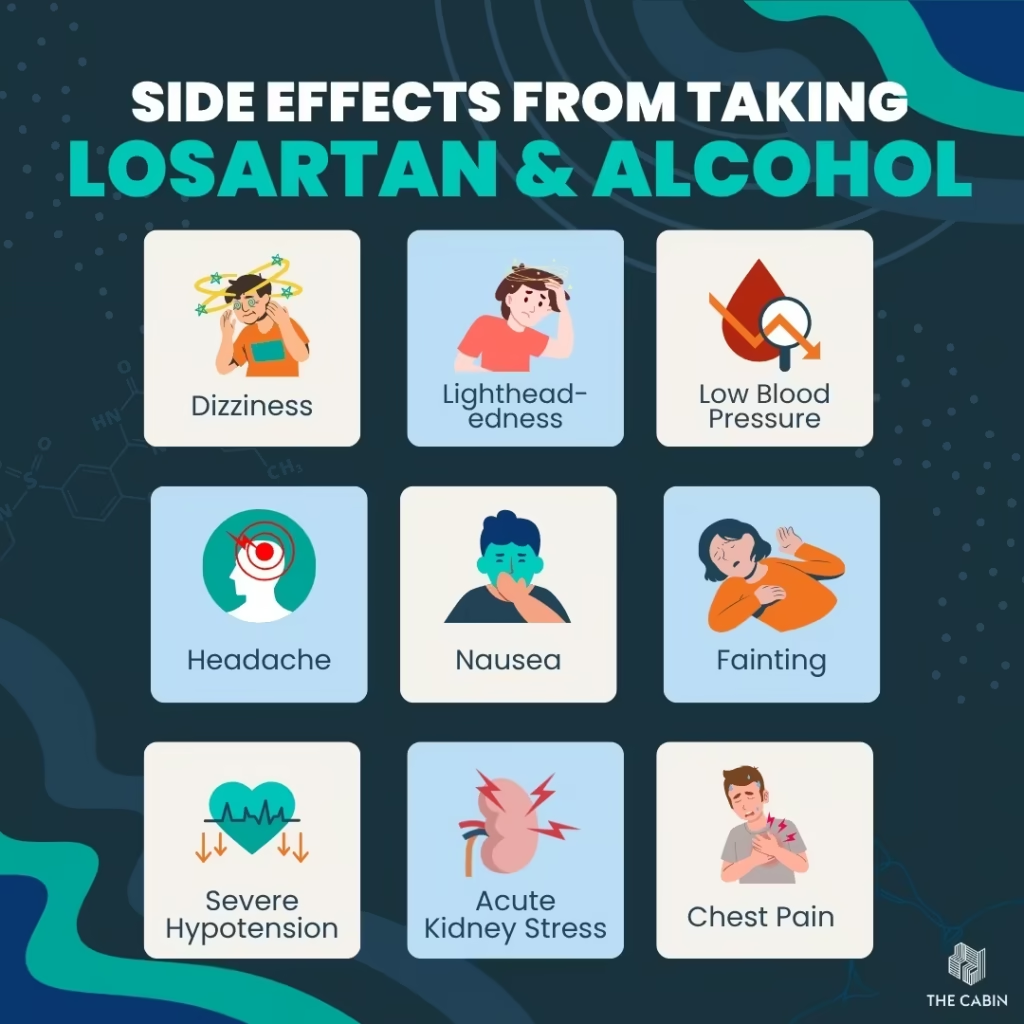
The side effects that might occur from taking Losartan and drinking alcohol at the same time are listed below, and each reflects additive vasodilatory and hypotensive effects on cardiovascular regulation.
- Dizziness: Dizziness develops when Losartan-induced vasodilation combines with alcohol-related blood vessel relaxation, which reduces cerebral blood flow during posture changes.
- Lightheadedness: Lightheadedness appears as blood pressure falls below adaptive thresholds during standing or walking due to impaired autonomic compensation.
- Low Blood Pressure (Hypotension): Hypotension occurs when Losartan lowers systemic vascular resistance and alcohol intensifies peripheral vasodilation, producing excessive blood pressure reduction.
- Headache: Headache results from altered cerebral perfusion and vascular tone changes linked to combined antihypertensive and vasodilatory effects.
- Nausea: Nausea reflects central nervous system depression and gastrointestinal irritation associated with alcohol exposure during Losartan therapy, particularly in individuals sensitive to blood pressure fluctuations.
- Fainting (Syncope): Syncope develops when cerebral perfusion drops abruptly, leading to a transient loss of consciousness during significant hypotensive episodes,
- Severe Hypotension: Severe hypotension represents an exaggerated blood pressure response that overwhelms compensatory mechanisms during concurrent Losartan and alcohol exposure.
- Acute Kidney Stress: Acute kidney stress arises from reduced renal perfusion combined with dehydration, which may impair kidney autoregulation under Losartan treatment.
- Chest Pain or Shortness of Breath: Chest pain or shortness of breath may emerge from reduced cardiac output or reflex cardiovascular strain triggered by pronounced hypotension during Losartan use with alcohol.
Severity varies based on alcohol quantity, baseline blood pressure, kidney function, and concurrent medications, yet clinical guidance generally recommends limiting or avoiding alcohol during Losartan therapy.
What are the worst alcohols for high blood pressure?
The worst alcohols for high blood pressure are beverages with high ethanol concentration, rapid intake patterns, and added metabolic stress, as these factors intensify sympathetic activation and fluid imbalance. Spirits such as vodka, whiskey, or rum raise blood pressure quickly due to high alcohol concentration and rapid absorption, which stimulates catecholamine release after initial vasodilation. Sugary mixed drinks increase vascular resistance through insulin spikes and sodium-related fluid retention. Beer contributes to pressure elevation through higher consumption volume and sodium content that promote sustained plasma expansion. Excessive wine intake elevates blood pressure when cumulative ethanol exposure overrides short term vasodilatory effects. Repeated heavy exposure sustains hypertension through activation of the renin angiotensin aldosterone system and impairment of autonomic regulation, particularly during frequent or binge oriented patterns. Quantity and frequency drive cardiovascular risk more than beverage labels, yet high proof spirits and sugar dense cocktails present the greatest short term and long term blood pressure burden due to concentrated ethanol delivery and metabolic strain, especially since alcohol remains one of the most abused substances.
Does Losartan interact negatively with alcohol or cause risky reactions?
Yes, Losartan interacts negatively with alcohol and produces clinically risky reactions. Losartan lowers blood pressure through angiotensin receptor blockade, and alcohol introduces additional vasodilation that can amplify the antihypertensive effect beyond intended therapeutic control, Combined exposure increases the risk of excessive hypotension, which may manifest as dizziness, lightheadedness, blurred vision, or syncope during posture changes or physical activity, Reduced cerebral perfusion during hypotensive episodes explains transient loss of consciousness and elevated fall risk. Higher-risk populations include older adults, patients with cardiovascular disease, patients with kidney disease, and patients with diabetes, because autonomic compensation and renal perfusion reserve may be limited during combined Losartan and alcohol exposure. Losartan interaction with alcohol represents a clinically relevant safety concern that requires careful intake monitoring and prescriber-guided management. Limiting or avoiding alcohol during Losartan therapy supports stable blood pressure regulation and reduces the risk of symptomatic hypotension and fall-related injury.
Are wine, beer, or hard liquor acceptable to drink while on a Losartan prescription?
No, wine, beer, or hard liquor are not acceptable to drink while on a Losartan prescription. Risk depends on alcohol dose and intake pattern rather than the specific beverage type, because ethanol drives the pharmacodynamic interaction with Losartan. Losartan lowers blood pressure through angiotensin II receptor blockade, and alcohol adds peripheral vasodilation that can amplify blood pressure reduction beyond therapeutic targets. Lower intake patterns generally create less physiologic stress than high-volume or rapid consumption, while binge drinking produces abrupt hypotension, syncope risk, and impaired autonomic compensation. A single light wine serving may present lower short-term risk than repeated binge-drinking episodes because total ethanol exposure remains limited, which underscores the importance of alcohol drinking habits during Losartan therapy. Clinical guidance typically recommends limiting or avoiding alcohol altogether to maintain stable blood pressure control and reduce the likelihood of dizziness, fainting, or fall-related injury during antihypertensive treatment.
How long should you wait after taking Losartan before drinking alcohol without risk?
You should practice complete alcohol avoidance rather than rely on a timed interval after taking Losartan before drinking alcohol without risk. Losartan produces sustained blood pressure-lowering activity during daily dosing, which causes alcohol exposure to overlap with active angiotensin receptor blockade at any time of day. Even with less frequent dosing, alcohol intake may still coincide with active pharmacologic effects for approximately 6 to 12 hours after ingestion, depending on absorption and metabolism. Dose strength alters risk intensity, since 25 mg typically exerts less antihypertensive effect than 50 mg or 100 mg, while higher doses sustain stronger vascular relaxation that alcohol may further amplify. Individual tolerance, liver function efficiency, hydration status, and baseline blood pressure influence symptom severity, yet none eliminate interaction risk because spacing alcohol intake does not reliably prevent hypotension, syncope, or renal perfusion stress during Losartan therapy. Therefore, timing adjustments alone cannot guarantee safety, and consistent blood pressure monitoring remains essential for patients considering alcohol exposure during antihypertensive treatment.
Is it okay to take your Losartan dose after you have already been drinking?
No, it is not okay to take your Losartan dose after you have already been drinking. Losartan lowers blood pressure through angiotensin receptor blockade, and recent alcohol intake sustains vasodilation and central nervous system suppression that intensify hypotensive effects. Taking Losartan while alcohol remains active increases the risk of exaggerated blood pressure drops, dizziness, drowsiness, and syncope due to impaired autonomic compensation. Alcohol-related dehydration and reduced cerebral perfusion further destabilize cardiovascular control during Losartan dosing. Safer timing requires waiting until alcohol effects have fully resolved before administering Losartan, which typically occurs after approximately 6 to 12 hours following light intake and substantially longer after heavy intake. Risk increases at 50 mg or 100 mg doses and in individuals with reduced tolerance, impaired liver function, kidney disease, advanced age, or baseline hypotension.
Can alcohol weaken or diminish the effectiveness of Losartan?
Yes, alcohol can weaken or diminish the effectiveness of Losartan, which lowers blood pressure through angiotensin II receptor blockade that promotes vasodilation and fluid balance, while alcohol introduces short-term cardiovascular stress that can counteract consistent regulation. Alcohol intake produces temporary blood pressure elevation after initial vasodilation, triggers fluid and hormonal shifts, and promotes dehydration that leads to compensatory blood pressure spikes. Alcohol-related autonomic instability may contribute to irregular heart rate variability and higher morning blood pressure readings, which can undermine consistent antihypertensive response. Losartan effectiveness may decline in real-world blood pressure control when alcohol-driven physiologic fluctuations interfere with sustained vascular regulation and renal perfusion balance. Repeated alcohol exposure increases variability in systolic and diastolic measurements, which reduces the predictability of therapeutic outcomes during antihypertensive treatment.
What should you do if you drink alcohol by accident while taking Losartan?
If you drink alcohol by accident while taking Losartan, follow the five steps below to reduce hypotension risk and maintain cardiovascular stability.
- Stop drinking alcohol. Cease alcohol intake immediately to prevent further blood pressure reduction and autonomic suppression.
- Monitor vitals and symptoms. Check blood pressure and heart rate at regular intervals while observing for dizziness, weakness, nausea, blurred vision, or visual disturbance.
- Sit or lie down. Assume a seated or supine position at the first sign of lightheadedness to reduce fall risk and support cerebral blood flow.
- Avoid high-risk activities. Refrain from driving, operating machinery, climbing stairs, or engaging in physical exertion until symptoms fully resolve.
- Seek medical care. Contact a healthcare professional promptly if symptoms intensify, fail to improve with rest, or persist beyond several hours despite monitoring.
Warning signs that require emergency medical attention include the following:
- Loss of consciousness or sudden collapse.
- Chest pain or shortness of breath.
- Severe confusion or lack of responsiveness.
- Marked weakness that prevents standing or walking safely.
- Persistently low blood pressure readings despite rest and hydration.
Continuing to monitor hydration status and avoiding additional alcohol intake for the remainder of the day supports recovery and reduces further hemodynamic instability during Losartan therapy.
Are there safer ways to consume alcohol for someone who takes Losartan regularly?
No, there are no completely safe ways to consume alcohol for someone who takes Losartan regularly. Losartan lowers blood pressure through angiotensin receptor blockade, and alcohol intensifies vasodilation and autonomic suppression that destabilize cardiovascular control. Reducing alcohol quantity may limit the severity of hypotensive episodes, and avoiding binge drinking may reduce the likelihood of abrupt blood pressure collapse or syncope. Spacing drinks over time may slow ethanol absorption, adequate hydration may counteract dehydration-driven pressure fluctuations, and avoiding driving or hazardous activities reduces injury risk during transient hypotension. Using the lowest effective Losartan dose may decrease interaction intensity under medical supervision, yet alcohol-related hemodynamic effects can persist despite dose adjustment. Ongoing alcohol exposure during Losartan therapy requires consultation with the prescribing clinician to assess cardiovascular tolerance, kidney function, electrolyte balance, and individualized risk profile. Complete avoidance of alcohol remains the most reliable method to maintain stable blood pressure control and minimize fall or syncope risk during long-term antihypertensive treatment.

What are the interactions of Losartan?

The interactions of Losartan are listed below. These interactions arise from effects on the renin–angiotensin–aldosterone system, renal perfusion, and systemic vascular tone.
- Potassium-Raising Substances: Losartan increases serum potassium levels by reducing aldosterone-mediated potassium excretion, and concurrent use with potassium supplements, potassium-containing salt substitutes, or potassium-sparing diuretics increases hyperkalemia risk.
- Excessive Blood Pressure-Lowering Combinations: Losartan combined with other antihypertensive agents, vasodilators, or alcohol may intensify blood pressure reduction, increasing dizziness, syncope, and fall risk due to compounded vascular relaxation and impaired autonomic response.
- Kidney-Affecting Agents: Losartan interacts with nonsteroidal anti-inflammatory drugs (NSAIDs) and other nephrotoxic medications, which may increase kidney stress by reducing renal perfusion and impairing glomerular filtration, particularly during dehydration or pre-existing renal impairment.
- Dual Renin-Angiotensin System Blockers: Losartan combined with angiotensin-converting enzyme inhibitors or direct renin inhibitors increases the risk of hypotension, acute kidney injury, and electrolyte imbalance due to overlapping renin-angiotensin system suppression.
- Lithium: Losartan may reduce renal lithium clearance, which can raise serum lithium concentrations and increase toxicity risk involving neurologic and renal effects.
- Diuretics: Losartan taken with loop or thiazide diuretics may intensify volume depletion and blood pressure reduction, increasing dizziness, dehydration, and syncope risk during treatment initiation or dose escalation. Monitoring serum creatinine and potassium levels during combination therapy helps detect early renal or electrolyte abnormalities. Older adults and patients with diabetes, heart failure, or chronic kidney disease require closer supervision due to reduced renal reserve and higher susceptibility to hemodynamic shifts.
Which Medications Should You Avoid While Taking Losartan?
The medications you should avoid while taking Losartan are listed below. These drug combinations increase the risk of kidney dysfunction, electrolyte imbalance, or excessive blood pressure reduction due to overlapping pharmacologic mechanisms.
- Lithium: Lithium exposure increases during Losartan therapy because renal lithium clearance declines, which raises toxicity risk involving neurologic and renal effects. Serum lithium concentration monitoring is required if both agents are prescribed together.
- Nonsteroidal Anti-Inflammatory Drugs: Nonsteroidal anti-inflammatory drugs increase kidney strain during Losartan therapy by reducing renal blood flow and impairing filtration, which raises the risk of acute kidney injury during dehydration or pre-existing renal impairment. Chronic or high-dose use further elevates renal stress during concurrent therapy.
- Potent Diuretics: Loop diuretics and high-dose thiazide diuretics intensify volume depletion and blood pressure reduction when combined with Losartan, which elevates dizziness, syncope, and dehydration risk during treatment initiation or dose escalation. Close blood pressure monitoring is recommended when initiating combination therapy.
- Angiotensin Converting Enzyme Inhibitors: Angiotensin converting enzyme inhibitors combined with Losartan increase potassium retention and suppress the renin angiotensin system excessively, which raises the risk of hyperkalemia, hypotension, and kidney dysfunction. Dual renin-angiotensin system blockade is generally avoided unless specifically directed by a specialist.
- Direct Renin Inhibitors: Direct renin inhibitors taken with Losartan amplify renin angiotensin system blockade, which increases hypotension, electrolyte imbalance, and kidney injury risk without added therapeutic benefit. The combination offers limited additional efficacy while increasing adverse event probability.
- Potassium Supplements and Potassium-Sparing Diuretics: Potassium supplements and potassium-sparing diuretics elevate serum potassium levels during Losartan use, which increases hyperkalemia risk through reduced aldosterone mediated potassium excretion. Routine potassium monitoring is essential when concurrent use cannot be avoided.
Does Losartan Interact With Supplements or Herbal Products?
Yes, Losartan interacts with certain supplements and herbal products through overlapping cardiovascular and electrolyte effects. Losartan reduces aldosterone activity, which promotes potassium retention, and high-potassium supplements or potassium-rich herbs increase the risk during Losartan therapy. Herbal products promoted for blood pressure support may intensify hypotensive responses, because vasodilatory or diuretic effects compound Losartan-driven blood pressure reduction. Combined exposure increases dizziness, syncope, and renal perfusion strain through additive cardiovascular effects. Interaction risk increases with concentrated extracts and non-standardized herbal formulations, which may disrupt stable blood pressure control and complicate clinical management. Patients should disclose all supplements, herbal teas, and over-the-counter products to their healthcare provider to ensure safe antihypertensive therapy and appropriate laboratory monitoring.
Can Losartan Interact With Cold or Flu Medications?
Yes, Losartan can interact with cold or flu medications. Losartan lowers blood pressure through angiotensin receptor blockade, while common decongestants used in cold and flu products stimulate adrenergic receptors that raise blood pressure and heart rate. Combined exposure may counteract the antihypertensive action of Losartan and increase cardiovascular strain through opposing vascular effects. Sympathetic stimulation from decongestants elevates arterial pressure, increases cardiac workload, and disrupts stable blood pressure regulation during Losartan therapy. Risk intensifies among patients with hypertension, cardiovascular disease, or impaired renal function, which reinforces the need for careful medication selection and prescriber review when treating cold or flu symptoms during Losartan use. Decongestants such as pseudoephedrine or phenylephrine require particular caution due to their direct vasoconstrictive properties. Patients should consult a healthcare provider before using over-the-counter cold or flu remedies to maintain consistent blood pressure control during Losartan therapy.
Can mixing propranolol and alcohol affect sleep, mood, or mental well-being?
Yes, mixing Propranolol crosses the blood-brain barrier and dampens adrenergic signaling, while alcohol depresses neuronal activity, which increases sedation, worsens cognitive performance, and slows reaction speed. Sleep disruption occurs because alcohol fragments restorative sleep architecture, and Propranolol alters normal circadian and autonomic signaling, which leads to nonrestorative sleep and next-day fatigue. Mood changes may present as emotional blunting, irritability, or reduced motivation during repeated exposure, which interferes with psychological balance, Propranolol use for anxiety management becomes less reliable during alcohol exposure, because sedation and cognitive slowing impair daytime functioning, concentration, and emotional regulation, which undermines therapeutic goals during routine activities. Repeated combined use may also intensify next-day lethargy and reduce stress resilience due to overlapping depressant effects on central neurotransmission.
Does drinking while on Losartan increase your likelihood of fainting, dizziness, or falls?
Yes, drinking alcohol while on Losartan increases the likelihood of fainting, dizziness, and falls. Losartan lowers blood pressure through angiotensin II receptor blockade, and alcohol adds peripheral vasodilation that heightens orthostatic hypotension during position changes. Reduced cerebral perfusion during sudden blood pressure drops produces lightheadedness, visual dimming, and syncope, while alcohol-related impairment of balance and coordination further increases fall risk. Combined exposure weakens postural reflexes and delays neuromuscular response, which raises injury probability during walking, stair climbing, or standing from a seated position. Vulnerable groups include older adults, patients taking multiple antihypertensive medications, and adults with mobility limitations or osteoporosis. Reduced physiologic reserve and fracture susceptibility amplify harm during combined Losartan and alcohol exposure, particularly when dehydration or low baseline blood pressure is present.
Is one glass of wine generally safe when you’re taking Losartan?
No, one glass of wine is not. Losartan lowers blood pressure through angiotensin II receptor blockade, and alcohol introduces vasodilation that compounds blood pressure reduction even at low intake levels. A single standard glass of wine produces lower total ethanol exposure than multiple servings, yet interaction risk varies based on Losartan dose, baseline blood pressure, kidney function, cardiovascular disease, and concurrent antihypertensive therapy. Higher Losartan doses (50 mg or 100 mg) increase susceptibility to orthostatic hypotension and dizziness, while older age and chronic comorbid conditions further reduce physiologic tolerance. Clinical guidance supports individualized medical assessment rather than a universal safe threshold, because alcohol affects blood pressure stability during Losartan therapy. Even low-dose alcohol exposure may provoke symptomatic hypotension in sensitive individuals, particularly during dehydration or rapid posture changes.
Can Losartan make the effects of alcohol feel stronger than usual?
Yes, Losartan can make the effects of alcohol feel stronger than usual through overlapping cardiovascular and neurologic mechanisms. Losartan lowers blood pressure through angiotensin II receptor blockade, and alcohol adds vasodilation that produces additive blood pressure reduction, which may intensify lightheadedness and physical weakness. Increased central nervous system sensitivity may occur when reduced cerebral perfusion amplifies sedative effects, leading to greater sleepiness and impaired concentration. Altered heart rate response may develop when autonomic reflexes remain blunted, which reduces the body’s ability to compensate for alcohol-induced circulatory changes. Patient-reported experiences during combined exposure commonly include faster onset of dizziness, heavier sedation, and reduced tolerance to amounts previously perceived as mild during Losartan therapy. The heightened perception reflects additive hemodynamic effects rather than a direct increase in blood alcohol concentration.
How much alcohol, if any, is considered safe for someone taking Losartan (an ARB)?
No amount of alcohol is considered completely safe for someone taking Losartan (an ARB). Losartan lowers blood pressure through angiotensin II receptor blockade, and alcohol adds vasodilation and autonomic suppression that destabilize blood pressure control even at low intake levels. Conservative clinical guidance favors alcohol avoidance, since risk increases with higher Losartan doses, advanced age, chronic kidney disease, cardiovascular disease, diabetes, and concurrent antihypertensive medications. Binge drinking sharply increases hypotension, syncope, and fall risk through rapid blood pressure collapse and reduced cerebral perfusion. Mixing alcohol with other central nervous system depressants further intensifies sedation and coordination impairment, which amplifies cardiovascular strain during Losartan therapy. For individuals who choose to drink despite medical advice, intake should remain minimal and carefully monitored, yet individualized physician consultation remains essential to evaluate personal cardiovascular stability and renal function.
How Much Alcohol Can You Drink While on Beta Blockers Like Propranolol?
No amount of alcohol qualifies as completely safe to drink while on beta blockers like Propranolol. Propranolol reduces heart rate and suppresses sympathetic nervous system activity, while alcohol adds central nervous system depression and peripheral vasodilation that intensify hypotension, dizziness, and sedation. Conservative clinical guidance favors alcohol avoidance because interaction severity varies with Propranolol dose strength, age, liver function, anxiety-related indications, and underlying cardiovascular comorbidities. Higher doses amplify blood pressure instability and cognitive slowing, while even low alcohol intake can disrupt heart rate control and autonomic compensation during Propranolol therapy. Binge drinking and combination with other central nervous system depressants markedly increase fall risk, impaired alertness, and delayed physiologic recovery, which reinforces the clinical risk profile of alcohol with Beta Blockers, particularly in older adults and patients treated for arrhythmia or hypertension. Individual tolerance varies, yet no standardized safe threshold exists because both agents influence cardiovascular regulation and central nervous system responsiveness.
Is Losartan a Beta Blocker?
No, Losartan is not a beta blocker. Losartan belongs to the angiotensin II receptor blocker (ARB) class, which lowers blood pressure by blocking angiotensin II type 1 receptors and reducing systemic vascular resistance. Beta blockers act through a different mechanism by blocking beta-adrenergic receptors, which slows heart rate and reduces sympathetic nervous system stimulation, clearly distinguishing their pharmacologic role from that of Losartan. Losartan therefore treats hypertension through hormonal pathway modulation rather than direct heart rate suppression, which confirms that Losartan functions as an angiotensin receptor blocker rather than a beta blocker. This distinction explains why Losartan does not typically reduce resting heart rate, while beta blockers commonly do.
Small drinking habits can have a big impact on your health
Break free from alcohol and give your heart medication the ultimate chance to work. Choosing sobriety doesn’t just make your medication safer; it unlocks a vibrant, high-energy life. Explore our positive, judgment-free alcohol addiction treatment programs at The Cabin Chiang Mai today. If alcohol is getting in the way of your physical wellness, reach out to our compassionate team for guidance on your journey to complete healing. Contact us today, and we’ll respond within 24 hours!