Lamotrigine and alcohol should not be mixed due to dangerous interactions. The combination increases central nervous system depression and may destabilize seizure or mood control. Lamotrigine and alcohol interaction amplifies Lamotrigine’s sedative effects, leading to drowsiness, dizziness, and impaired coordination, increasing the risk of accidents. Additive neurological suppression slows reaction time and weakens balance. It interferes with Lamotrigine’s ability to manage seizures and stabilize mood. Alcohol lowers seizure threshold and may counteract mood stabilization in bipolar disorder. The safety of alcohol consumption depends on factors (dosage, health, and other medications). Baseline seizure frequency, liver function, and concurrent psychotropic therapy influence individual risk. Higher doses of Lamotrigine or pre-existing liver conditions increase the risks associated with alcohol consumption, as the factors affect how the body processes the medication and alcohol, leading to amplified side effects. Hepatic metabolism and systemic tolerance determine plasma concentration stability. Lamotrigine has a long half-life, often exceeding 24 hours, which means therapeutic levels remain steady during daily dosing rather than clearing within a short window. Mixing alcohol with Lamotrigine causes side effects (nausea and cognitive impairment) and increases the risk of serious complications (seizures and respiratory issues). Excessive alcohol intake may provoke breakthrough seizures or intensify depressive symptoms. Always consult a healthcare provider before drinking alcohol while on Lamotrigine, especially for individuals treated for epilepsy or bipolar disorder.
Can you Drink Alcohol While Taking Lamotrigine?
No, you cannot drink alcohol while taking Lamotrigine. Clinical guidance recommends avoidance or strict limitation because alcohol increases neurological instability. Lamotrigine is an anticonvulsant and mood-stabilizing medication used to treat epilepsy and bipolar disorder. The medication reduces abnormal electrical activity in the brain and supports mood regulation. Lamotrigine is not a selective serotonin reuptake inhibitor antidepressant and primarily modulates voltage-gated sodium channels rather than serotonin reuptake pathways. Ethanol alters neurotransmitter balance and lowers seizure threshold, which destabilizes treatment. Alcohol combined with Lamotrigine increases central nervous system depression, causing dizziness, drowsiness, and impaired coordination. Additive sedation slows reaction time and compromises daily functioning and safety. Drinking alcohol while on Lamotrigine increases the risk of mood disturbances, depression, anxiety, and breakthrough seizures. Chronic or heavy intake further destabilizes mood patterns and weakens seizure control, particularly in cases involving addiction to alcohol. Lamotrigine supports stable brain activity, yet alcohol interferes with consistent plasma levels required for seizure prevention and mood stabilization.
What Happens If you Mix Lamotrigine and Alcohol?
Elevated sedation, dizziness, and impaired coordination happen if you mix Lamotrigine and alcohol. The interaction produces additive central nervous system depression and neurological instability. Alcohol amplifies Lamotrigine’s sedative effects, leading to excessive drowsiness and an increased risk of falls or accidents. Slowed reaction time and reduced balance compromise daily functioning and driving safety. Combining alcohol with Lamotrigine worsens mood disturbances (depression or anxiety), as alcohol interferes with Lamotrigine’s ability to stabilize mood. Ethanol disrupts neurotransmitter balance and may intensify emotional volatility in bipolar disorder. The combination impairs cognitive functions, increasing the chance of poor decision-making and risky behaviors. Executive function declines as cortical signaling becomes suppressed. Alcohol reduces Lamotrigine’s effectiveness in regulating brain activity, raising the chances of seizures in patients with epilepsy. Alcohol lowers seizure threshold, which may trigger breakthrough seizures despite stable medication dosing. Mixing Lamotrigine and alcohol heightens the risk of accidents, worsens psychological conditions, and reduces the medication’s effectiveness, posing serious health risks, especially for individuals treated for epilepsy or mood stabilization.
Does Alcohol Affect How Lamotrigine Works in the Body?
Yes, alcohol affects how Lamotrigine works in the body. The interaction alters neurological stability and may influence drug metabolism. Lamotrigine stabilizes electrical activity in the brain by inhibiting release of excitatory neurotransmitters. Lamotrigine blocks voltage sensitive sodium channels and reduces glutamate release, which supports seizure control and mood stabilization in epilepsy and bipolar disorder. Alcohol acts as a central nervous system depressant and interferes with neuronal regulation. Ethanol lowers seizure threshold and disrupts emotional balance, which counteracts therapeutic goals. Mood destabilization may occur despite stable lamotrigine dosing. Lamotrigine undergoes hepatic glucuronidation, and alcohol alters liver enzyme activity depending on intake pattern. Altered clearance may decrease drug levels and reduce effectiveness or increase levels and raise toxicity risk. Variability in plasma concentration increases adverse effects such as dizziness, blurred vision, or coordination impairment, particularly since alcohol remains one of the most abused substances worldwide.
What are the Side Effects of Combining Lamotrigine and Alcohol?
The side effects of combining Lamotrigine and alcohol are listed below. These reactions result from additive central nervous system depression, altered neurotransmitter balance, and metabolic variability.
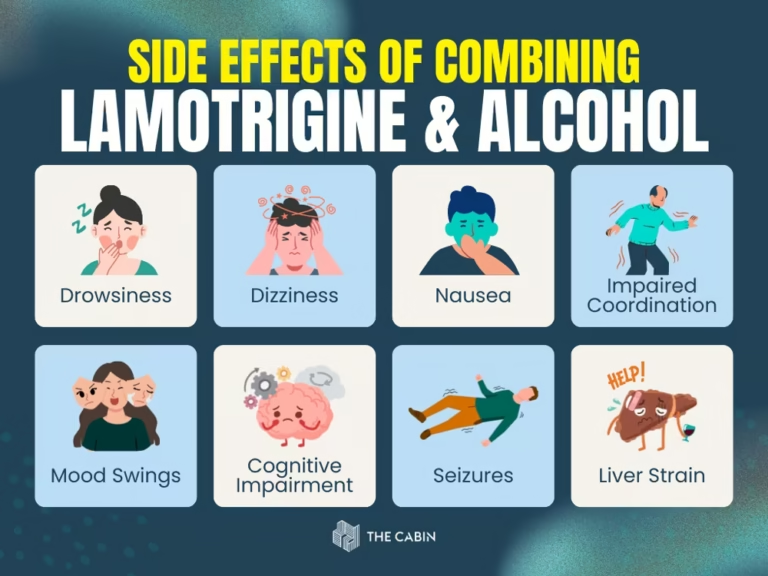
- Drowsiness: Alcohol and Lamotrigine have sedative effects, and combining them significantly increases the risk of extreme drowsiness. Increased sedation can impair alertness, making it dangerous to perform tasks (driving or operating machinery). Slowed reaction time and reduced vigilance heighten accident risk.
- Dizziness: Mixing alcohol with Lamotrigine often causes dizziness, which can be more severe than when either substance is taken alone. Dizziness heightens the risk of falls and accidents. Impaired balance and delayed reflexes intensify instability.
- Nausea: Alcohol and Lamotrigine induce nausea together. The nausea effect intensifies when consumed together, leading to more significant discomfort or vomiting. Gastrointestinal irritation and central nervous system effects may compound this symptom.
- Impaired Coordination: Alcohol negatively affects coordination, and combining it with Lamotrigine severely impairs motor skills, making movements unsteady. It raises the chance of accidents or injuries. Fine motor control and spatial awareness decline with additive neurological suppression.
- Mood Swings: Alcohol’s depressant effects, combined with Lamotrigine’s mood-stabilizing properties, lead to pronounced mood swings or emotional instability. The interaction worsens symptoms of depression or anxiety in patients with mood disorders. Emotional regulation may destabilize despite consistent medication dosing.
- Cognitive Impairment: Alcohol impairs cognitive function, and mixing it with Lamotrigine worsens memory, concentration, and mental performance. Executive functioning, attention span, and problem-solving capacity may decline.
- Seizures: Lamotrigine is prescribed to prevent seizures, but alcohol lowers the seizure threshold. The combination increases the chance of seizures, especially in individuals with epilepsy. Breakthrough seizures may occur even when medication adherence remains consistent.
- Liver Strain: Alcohol and Lamotrigine are metabolized by the liver. The liver struggles to process both substances when combined, leading to reduced drug clearance and increased risks of side effects or toxicity. Altered glucuronidation pathways may shift plasma drug levels and increase adverse reactions.
Patients treated for epilepsy or bipolar disorder should consult a healthcare provider before consuming alcohol, because neurological stability depends on consistent therapeutic levels and minimized central nervous system disruption.
Does Lamotrigine Interact With Alcohol or Cause Dangerous Reactions?
Yes, Lamotrigine interacts with alcohol and causes dangerous reactions. The interaction increases neurological instability and amplifies central nervous system suppression. The risk of central nervous system (CNS) depression increases when Lamotrigine is combined with alcohol. Alcohol and Lamotrigine act as depressants on the CNS, which leads to excessive drowsiness, dizziness, and impaired coordination. Additive sedation slows reaction time and weakens motor control. The combination heightens the risk of accidents, falls, and other injuries due to compromised motor skills and mental clarity. Lamotrigine does not directly alter serotonin levels like selective serotonin reuptake inhibitors (SSRIs) do, so there is no concrete evidence that it causes serotonin syndrome. Serotonin toxicity typically results from serotonergic drug combinations rather than from lamotrigine alone. Alcohol may worsen mood instability and cause confusion or agitation, yet these effects differ from true serotonin syndrome. The depressant effects of alcohol intensify Lamotrigine’s sedative effects, leading to heightened intoxication, slower reaction times, and poor judgment. Alcohol consumption while taking Lamotrigine is discouraged by the Food and Drug Administration (FDA) guidelines and other medical warnings. Regulatory guidance emphasizes caution to preserve seizure control and mood stability. Alcohol interferes with the drug’s effectiveness, leading to potential complications in managing seizures or mood stabilization. The FDA and medical professionals caution that mixing alcohol with Lamotrigine leads to severe health risks, including a reduced ability to control seizures and mood disorders, particularly in individuals treated for epilepsy or bipolar disorder.
When Should Side Effects Be Treated as an Emergency?
Side effects should be treated as an emergency when they involve severe symptoms such as difficulty breathing, chest pain, seizures, loss of consciousness, or severe allergic reactions (swelling of the face, lips, or throat). These symptoms indicate potential life-threatening cardiovascular, neurological, or immune responses. Severe side effects from medications, including Lamotrigine, indicate a condition that requires immediate medical attention. Rapid intervention reduces the risk of permanent harm or fatal outcomes. Difficulty breathing or chest pain signals a serious cardiovascular or respiratory issue. Airway compromise or cardiac instability demands urgent evaluation. Seizures or loss of consciousness indicate that the medication is not effectively controlling symptoms (epilepsy or mood disorders) and require a change in treatment or dosage. Prolonged or repeated seizures increase the risk of neurological injury. Severe allergic reactions, characterized by swelling or difficulty breathing, lead to anaphylaxis, a fatal condition. Anaphylaxis requires emergency treatment with epinephrine and supportive care. Recognize the signs early and seek emergency medical care immediately. Always contact a healthcare provider if side effects feel unusual or severe, even if they do not reach emergency levels, as early intervention prevents complications and supports safe medication management.
Can you Drink Wine, Beer, or Liquor While on Lamotrigine?
No, you cannot drink wine, beer, or liquor while on Lamotrigine. The interaction increases central nervous system depression and destabilizes seizure and mood control. Lamotrigine is an anticonvulsant and mood-stabilizing medication that interacts negatively with alcohol, which is a central nervous system depressant. Consuming wine, beer, or liquor increases the risk of excessive sedation, dizziness, impaired coordination, and mood disturbances. The type of alcohol, whether wine, beer, or liquor, does not change the risks, as all forms increase the sedative effects of Lamotrigine, leading to dangerous side effects. Ethanol content, not beverage category, determines neurological impact.
Moderation does not eliminate the risks, as even small amounts of alcohol can increase drowsiness, dizziness, and impair motor skills and judgment. Alcohol lowers seizure threshold and may provoke breakthrough seizures despite stable dosing. Combining Lamotrigine with alcohol lowers the drug’s effectiveness in controlling seizures or stabilizing mood. Personalized risks depend on the dose of Lamotrigine and the person’s health status. Higher doses or certain pre-existing conditions (liver impairment or a history of mood disorders) heighten the dangers of mixing alcohol with Lamotrigine. Hepatic metabolism through glucuronidation pathways may vary based on individual physiology and alcohol exposure. Complete avoidance of alcohol is advised while taking Lamotrigine to ensure safety and effectiveness. The risks of harmful interactions with Lamotrigine are amplified by alcohol drinking habits, particularly in individuals treated for epilepsy or bipolar disorder.
How Long After Taking Lamotrigine can I Drink Alcohol Safely?

You can drink alcohol safely 48 to 72 hours after taking Lamotrigine. There is no clearly established “safe” waiting period because lamotrigine is typically taken daily and maintains steady levels in the bloodstream. Lamotrigine has a half-life of 25 to 33 hours, meaning it takes that long for the drug’s concentration to reduce by half. In some individuals, especially those taking interacting medications, the half-life may vary. The substance stays active in the system for several days, and full clearance takes about 5 to 7 days, depending on metabolism and dose. Steady-state therapy keeps plasma concentrations relatively stable rather than allowing rapid elimination between doses. The waiting period is shorter in short-term therapy, but the risks of combining alcohol with Lamotrigine apply. Even after missed doses, residual drug levels may remain sufficient to interact with alcohol. Drinking alcohol too soon increases the risk of adverse effects (sedation, dizziness, and impaired judgment), which lowers the drug’s effectiveness in managing seizures and mood disorders. Alcohol lowers seizure threshold and may destabilize mood despite therapeutic lamotrigine levels. Consult a healthcare provider to determine the appropriate waiting period before drinking alcohol, as genetic factors (liver function, dosage, and health) affect the drug’s duration in the body, particularly for individuals treated for epilepsy or bipolar disorder who require consistent neurological stability.
Can I Take Lamotrigine After Drinking Alcohol?
You should wait at least one week after starting Sertraline before drinking alcohol because the medication reaches steady levels in the body, and its effects increase sedation, dizziness, and sensitivity to alcohol. Most clinicians recommend avoiding alcohol entirely after starting sertraline, particularly during the first one to two weeks while the body adjusts to the medication. Sertraline has an elimination half-life of 22 to 36 hours, and although steady-state blood levels are achieved within a week, combining alcohol with Sertraline during the period intensifies sedation, dizziness, impaired thinking, and emotional instability. Initial side effects such as nausea, sleep disturbance, increased anxiety, or fatigue are more common during early treatment and may worsen with alcohol exposure. Waiting one week allows the body to adjust to Sertraline while minimizing immediate interactions with alcohol. Even after steady state is reached, alcohol may counteract antidepressant benefits and increase relapse risk. Residual effects on mood and nervous system function persist even after the period, so caution remains important when drinking. Patients should consult their prescribing clinician before consuming alcohol, especially during dose adjustments or when managing severe depression, panic disorder, or suicidal ideation.
Should I Delay or Skip a Dose after Drinking?

No, you should not routinely delay or skip a dose of Lamotrigine after drinking alcohol without medical advice. Abruptly missing doses may destabilize seizure control or mood stabilization. Drinking alcohol interferes with the effectiveness of Lamotrigine, increasing the risk of side effects (drowsiness, dizziness, and impaired coordination). Additive central nervous system depression may intensify sedation and cognitive slowing. Alcohol affects how the body metabolizes the medication, leading to reduced drug levels or increased side effects. Lamotrigine is primarily metabolized through hepatic glucuronidation, and acute alcohol intake may alter metabolic balance, although it does not justify unsupervised dose changes. Skipping a dose must be done if alcohol consumption is recent. Lamotrigine is designed for consistent daily dosing to maintain stable plasma concentrations. Missing doses may increase seizure risk or trigger mood instability, especially in epilepsy or bipolar disorder. It’s important to keep an eye out for any odd symptoms and speak with a healthcare professional to figure out the safest course of action if the patient misses a dose after drinking. Do not double the dose to make up for a missed one. Doubling doses increases the risk of adverse reactions such as dizziness, vision changes, or severe rash. Always consult a healthcare provider to ensure proper management of the medication and to assess any risks from combining alcohol with Lamotrigine, particularly if seizures, severe sedation, or mood changes occur.
Does Alcohol Reduce Lamotrigine’s Effectiveness or Seizure Control Benefits?
Yes, alcohol can reduce Lamotrigine’s effectiveness and seizure control benefits. Alcohol lowers seizure threshold and disrupts neuronal stability, which counteracts lamotrigine’s anticonvulsant action. Alcohol acts as a depressant on the central nervous system, and when combined with Lamotrigine, it interferes with the medication’s ability to stabilize mood and prevent seizures. Additive central nervous system effects impair cognitive clarity and emotional regulation. Alcohol worsens mood disorders, worsens depression or anxiety, and negatively impacts the medication’s intended effects, while Lamotrigine is not an antidepressant. Lamotrigine functions as a mood stabilizer by modulating voltage-sensitive sodium channels and reducing glutamate release rather than by directly altering serotonin levels.
Long-term alcohol use worsens mood or mental health issues, making it more difficult for Lamotrigine to regulate mood effectively. Chronic ethanol exposure promotes neurochemical fluctuations that undermine consistent mood control. Alcohol alters the liver enzymes responsible for metabolizing Lamotrigine, which affects how well the body processes the drug, leading to reduced drug levels or increased side effects. Lamotrigine undergoes hepatic glucuronidation, and acute or chronic alcohol intake may influence metabolic stability and plasma concentration. Alcohol interferes with the efficacy of anticonvulsant medications like Lamotrigine, increasing the risk of seizures and impairing mood stabilization. Avoiding alcohol is advised to preserve Lamotrigine’s efficacy in treating mood disorders and seizures, particularly in individuals requiring stable therapeutic levels for epilepsy or bipolar disorder management.
What should you do If You Accidentally Drink Alcohol While Taking Lamotrigine?
Things you should do if you accidentally drink alcohol while taking Lamotrigine by following the five steps below. Prompt monitoring reduces the risk of breakthrough seizures or mood destabilization.
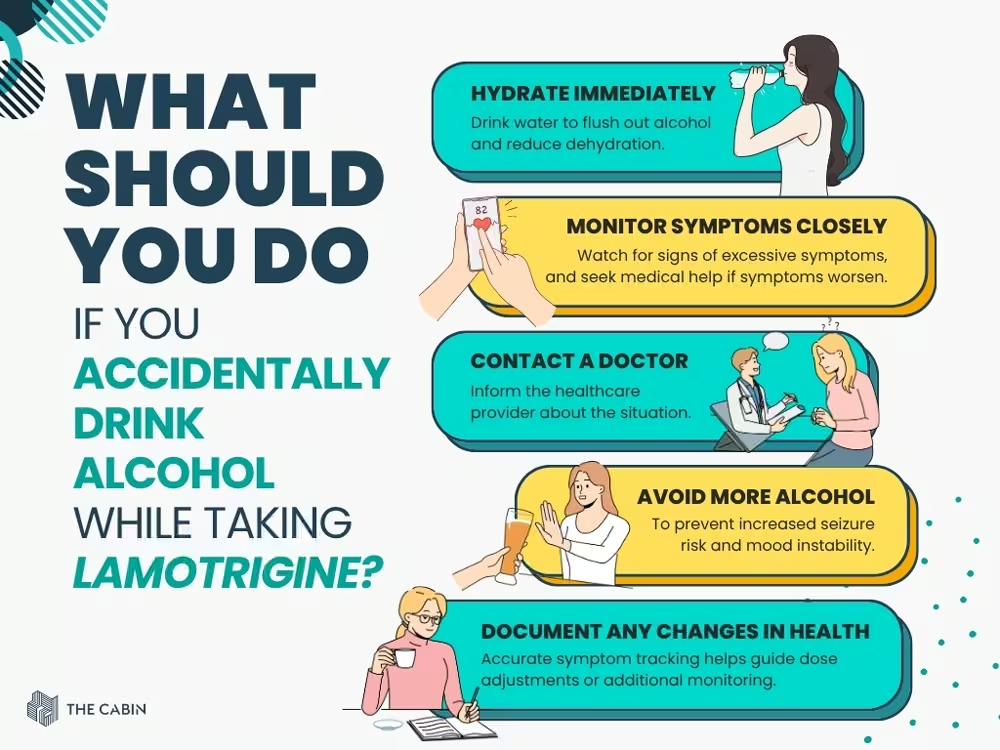
- Hydrate immediately. Drink water to help flush alcohol from the system and reduce dehydration caused by alcohol consumption. Adequate hydration supports metabolic recovery and may lessen dizziness or headache.
- Monitor symptoms closely. Watch for signs of excessive sedation, dizziness, impaired coordination, or changes in mood. Seek immediate medical attention if symptoms worsen. Pay attention to unusual confusion, vision changes, severe drowsiness, or seizure activity.
- Contact a healthcare provider. Inform the provider about the alcohol consumption and Lamotrigine use. Discuss any symptoms and follow their guidance on managing the situation. Professional advice is especially important for individuals treated for epilepsy or bipolar disorder.
- Avoid further alcohol consumption. Refrain from drinking alcohol for the remainder of the treatment period to prevent worsening of side effects or interactions. Continued intake increases seizure risk and mood instability.
- Document any changes in health. Keep track of any changes in mood, behavior, or physical symptoms to report to the healthcare provider during follow-up care. Accurate symptom tracking helps guide dose adjustments or additional monitoring.
Do not skip or double your Lamotrigine dose without medical advice, because consistent plasma levels are essential for seizure control and mood stabilization.
Are There Safer Ways to Consume Alcohol While on Lamotrigine?
No, there are no safer ways to consume alcohol while on Lamotrigine. Complete avoidance remains the most reliable strategy to preserve seizure control and mood stability. Moderation in alcohol consumption is not enough to eliminate risks when taking Lamotrigine. Even low doses of ethanol can lower seizure threshold and amplify central nervous system depression. Even small amounts of alcohol amplify Lamotrigine’s sedative effects, leading to drowsiness, dizziness, impaired coordination, and potential mood disturbances. Additive neurological suppression slows reaction time and weakens cognitive clarity. Low-alcohol options or spacing out doses from alcohol consumption do not guarantee safety, as alcohol interferes with Lamotrigine’s ability to effectively stabilize mood and prevent seizures. Lamotrigine requires consistent plasma levels, and alcohol introduces variability in neurological response. In certain situations (during higher doses of Lamotrigine or in patients with liver impairment or a history of mood disorders), alcohol must be avoided completely. Hepatic metabolism through glucuronidation pathways may be influenced by acute or chronic alcohol exposure. Combining alcohol with Lamotrigine in certain cases increases the risk of serious side effects (heightened sedation, liver strain, and seizure activity). Expert and clinical recommendations consistently advise against drinking alcohol while on Lamotrigine. Avoid alcohol entirely during treatment with Lamotrigine to prevent negative interactions and ensure the medication works as intended for optimal safety and effectiveness, particularly in individuals treated for epilepsy or bipolar disorder.
Can Mixing Lamotrigine With Alcohol Affect Mood or Mental Health?
Yes, mixing Lamotrigine with alcohol can affect mood and mental health. The interaction alters neurotransmitter balance and reduces emotional stability. Alcohol acts as a depressant on the central nervous system and interferes with Lamotrigine’s ability to stabilize mood. Ethanol disrupts glutamate and GABA signaling, which can destabilize neural circuits involved in mood regulation. Alcohol amplifies feelings of depression or anxiety and leads to increased mood swings, while Lamotrigine helps regulate mood and prevent seizures. Mood volatility may increase despite consistent medication dosing. Combining the mood-stabilizing qualities of lamotrigine with the sedative effects of alcohol makes it more difficult to effectively treat mood disorders. Additive central nervous system suppression impairs resilience and emotional control. Combining alcohol with Lamotrigine may worsen existing mental health conditions (depression or anxiety). It impairs cognitive function, leading to issues with concentration, memory, and decision-making. Executive dysfunction reduces the ability to apply coping strategies or maintain treatment adherence. The cognitive impairment increases the chance of engaging in risky behaviors and worsens mental health challenges, making it harder to manage emotions and well-being. Mixing Lamotrigine with alcohol poses significant behavioral and cognitive risks, undermining the drug’s effectiveness in treating mood disorders, particularly in individuals diagnosed with bipolar disorder or seizure-related mood instability.
Can Drinking Alcohol With Lamotrigine Increase Risk of Serotonin Syndrome?
No, drinking alcohol with Lamotrigine cannot increase the risk of serotonin syndrome. Lamotrigine does not significantly elevate serotonin levels or directly stimulate serotonergic pathways. Serotonin syndrome is a potentially life-threatening condition caused by excessive levels of serotonin in the brain. Symptoms include agitation, rapid heart rate, high blood pressure, fever, tremors, sweating, confusion, and muscle rigidity. Severe cases may involve hyperthermia, seizures, and altered consciousness requiring emergency care. Serotonin syndrome is typically associated with medications that directly increase serotonin levels, such as selective serotonin reuptake inhibitors (SSRIs), not Lamotrigine. Common triggers include combinations of SSRIs, SNRIs, monoamine oxidase inhibitors, certain migraine medications, or illicit serotonergic substances. Lamotrigine does not have a direct impact on serotonin regulation. The medication primarily modulates voltage-sensitive sodium channels and reduces glutamate release, which supports seizure control and mood stabilization without causing serotonin toxicity. Alcohol may worsen mood symptoms or increase sedation, yet these effects differ from true serotonin syndrome and should not be confused with serotonergic toxicity.
Alcohol contributes to heightened central nervous system (CNS) effects when combined with medications that impact the brain, including Lamotrigine. The interaction produces additive neurological suppression and cognitive impairment. Alcohol acts as a depressant and amplifies the sedative and mood-altering effects of Lamotrigine, leading to increased dizziness, drowsiness, and impaired coordination. Slowed reaction time and reduced balance increase fall and accident risk. The combined depressant effects of alcohol and Lamotrigine worsen mental status changes or other CNS symptoms, while Lamotrigine does not directly cause serotonin syndrome. Cognitive slowing, confusion, and reduced executive function may become more pronounced during intoxication. Emergency signs to watch for include confusion, agitation, severe dizziness, rapid heart rate, or changes in mental state. Seizure activity or loss of consciousness requires urgent evaluation. Seek immediate medical attention if any symptom occurs. Lamotrigine is unlikely to cause serotonin syndrome, but it’s vital to keep an eye out for any alarming side effects when taking it with alcohol. Avoiding alcohol supports stable seizure control and mood regulation, particularly in individuals treated for epilepsy or bipolar disorder.
Is One Glass of Wine Safe While on Lamotrigine or Sertraline?
No, one glass of wine is not considered universally safe while on Lamotrigine or Sertraline. Even small amounts of alcohol can alter neurological stability and mood regulation. Alcohol acts as a central nervous system depressant, amplifying the sedative effects of the two drugs, leading to increased drowsiness, dizziness, and impaired coordination. Additive sedation slows reaction time and weakens cognitive clarity. Alcohol worsens mood symptoms and raises the risk of depression or anxiety in patients taking Sertraline, a medication that alters serotonin levels. Sertraline, a selective serotonin reuptake inhibitor (SSRI), depends on consistent serotonergic balance, which alcohol may disrupt.
The safety of alcohol consumption depends on personal factors (age, weight, dosage, and other medications). Older patients or patients with liver impairment metabolize alcohol and medication differently, increasing the risk of adverse reactions. Hepatic metabolism influences plasma concentration and side effect intensity. Higher doses of Lamotrigine or Sertraline increase sensitivity to alcohol’s effects. Expert guidance advises avoiding alcohol while on the medications. Even moderate alcohol intake reduces their effectiveness and increases the risk of side effects. Avoid alcohol with Sertraline to prevent harmful interactions and side effects, particularly in individuals treated for epilepsy, bipolar disorder, depression, or anxiety disorders.
Can Lamotrigine Make you Feel Alcohol’s Effects More Strongly?
Yes, Lamotrigine can make you feel alcohol’s effects more strongly. The interaction produces additive central nervous system depression, which heightens perceived intoxication. Lamotrigine acts as a central nervous system stabilizer, and when combined with alcohol, it increases the sedative effects of alcohol, leading to increased drowsiness, dizziness, and impaired coordination. Slowed reaction time and reduced motor control intensify balance problems. The amplified effects result in heightened intoxication, even with small amounts of alcohol. Lower alcohol quantities may produce disproportionate sedation compared to typical tolerance. For example, patients who experience mild drowsiness after drinking feel sleepy or disoriented when Lamotrigine is in their system. The interaction raises the risk of accidents (falls, impaired judgment, or difficulty performing tasks that require concentration). Executive function and spatial awareness decline as neurological suppression increases. Combining alcohol and Lamotrigine increases severe sedation and cognitive impairment, raising the risk of accidents, unlike a typical alcohol response, where the effects are tolerable for patients. Individuals treated for epilepsy or bipolar disorder may experience destabilized mood or increased seizure susceptibility during alcohol exposure.
How Much Alcohol can you Drink While on Seizure Control Medication Like Lamotrigine?
No amount of alcohol you can drink while on seizure control medication like Lamotrigine is considered completely safe. Clinical guidance emphasizes minimizing or avoiding alcohol to preserve seizure stability. Alcohol interferes with Lamotrigine’s effectiveness by increasing the risk of sedation, dizziness, and impaired coordination. Additive central nervous system depression slows reaction time and weakens balance control. Alcohol reverses lamotrigine’s ability to stabilize brain activity, which has harmful side effects. Ethanol lowers seizure threshold, which may trigger breakthrough seizures despite consistent dosing. Personal factors (age, health status, dosage, and other medications) affect how alcohol interacts with Lamotrigine. Hepatic metabolism, coexisting neurological conditions, and concurrent psychotropic therapy influence individual risk. It’s important to speak with a healthcare professional for specific guidance about drinking alcohol while taking this medication. Alternatives (reducing alcohol consumption or selecting non-alcoholic options) are advised to manage social drinking safely without jeopardizing the efficacy of the medication. Choosing alcohol-free beverages supports adherence and neurological stability. The risks of side effects and impaired seizure control increase when drinking alcohol with seizure control medication, particularly in individuals treated for epilepsy or bipolar disorder who require consistent therapeutic levels.
Is it Dangerous to Mix Alcohol, Lamotrigine, and other Medicines that Affect the Nervous System?
Yes, it is dangerous to mix alcohol, Lamotrigine, and other medicines that affect the nervous system. The combination produces additive central nervous system depression and increases the risk of respiratory and cognitive impairment. Combining alcohol with Lamotrigine and other medications that affect the central nervous system (CNS) amplifies sedative effects, leading to increased drowsiness, dizziness, impaired coordination, and respiratory depression. Slowed breathing and reduced alertness may become clinically significant when multiple depressants are present. Common interacting medications include benzodiazepines, antidepressants, and sleep aids, which, when combined with alcohol, pose a significant risk of severe sedation and cognitive impairment. Opioids and certain antipsychotics further elevate the danger of excessive sedation and suppressed respiratory drive. The Food and Drug Administration (FDA) warns against combining opioids and CNS depressants due to the risk of life-threatening respiratory depression, overdose, and other serious side effects. Regulatory guidance emphasizes strict caution when layering multiple CNS-active substances. Mixing the substances interferes with the effectiveness of the medications and worsens mental health conditions or seizure disorders. Neurological instability may increase breakthrough seizures, mood destabilization, or impaired treatment adherence.
Your Journey to Emotional Balance is Worth Protecting.
You deserve a life filled with authentic joy and lasting peace. If you are struggling to stop drinking while dealing with symptoms, you don’t have to face this challenge alone. At The Cabin, we provide professional support to help you regain control. Our team at The Cabin Chiang Mai offers a safe environment for the early stages of recovery and managing cravings. Contact us for a free evaluation, and we will respond within 24 hours to assist you in starting your healing process.