Dramamine and alcohol interact in ways that increase drowsiness, impaired coordination, and cognitive slowing. Dramamine is an over-the-counter antihistamine that contains dimenhydrinate and is used to prevent and treat motion sickness symptoms such as nausea, vomiting, and dizziness during travel. Alcohol acts as a central nervous system depressant, and it amplifies the sedative effects of Dramamine, which intensifies dizziness, balance impairment, blurred vision, slowed reaction time, and fatigue. The combination raises the risk of falls, accidents, and other safety hazards during travel or daily activities. The interaction also reduces alertness, decision-making speed, and motor coordination, which increases the likelihood of driving impairment and delayed response to hazards. Clinical guidance recommends avoiding alcohol while taking Dramamine to prevent additive sedation, maintain cognitive function, and reduce preventable injury risk. alcohol and Dramamine should be avoided together to minimize these risks and ensure safer travel and daily functioning.
Can you take Dramamine with alcohol?
No, you cannot take Dramamine with alcohol due to compounded central nervous system depression. Dramamine produces sedation, dizziness, delayed reaction time, impaired coordination, and reduced cognitive performance, while alcohol amplifies each effect through overlapping antihistaminic and depressant activity. Both substances suppress central nervous system activity, which increases fatigue, slows reflexes, and reduces situational awareness. Interaction severity depends on alcohol quantity, Dramamine dose, timing of intake, age, body composition, liver metabolism, and concurrent sedating drugs. Older adults and individuals taking opioids, benzodiazepines, sleep aids, or other antihistamines face heightened risk of excessive sedation and respiratory suppression. Elevated risk occurs during driving, machine operation, swimming, air or sea travel requiring alertness, and situations demanding balance or rapid decision-making. Even small amounts of alcohol may significantly impair coordination when combined with a standard dose of Dramamine. Combination use must be avoided during the first exposure to Dramamine, during prolonged travel, during high-motion environments, and during tasks requiring sustained vigilance. Meclizine, a motion sickness antihistamine comparable to Dramamine, produces comparable sedative and cognitive impairment effects when combined with alcohol, which makes drink alcohol with meclizine unsafe.
What happens if you mix Dramamine and alcohol?
The things that happen if you mix Dramamine and alcohol are listed below.
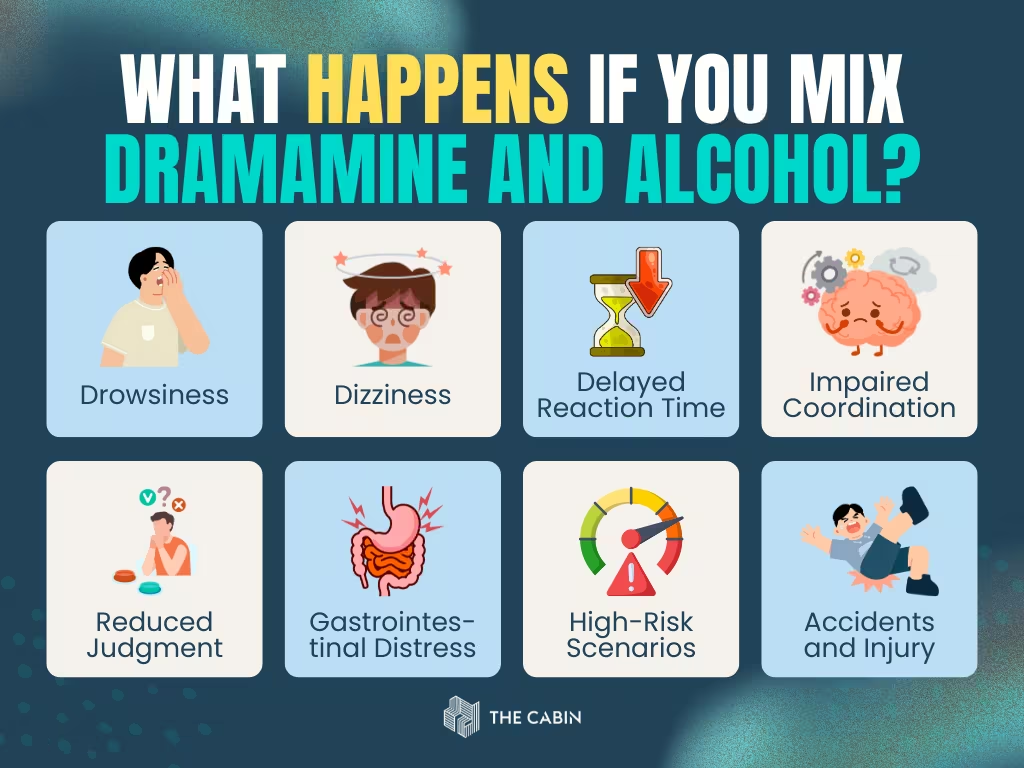
- Drowsiness: Dramamine and alcohol depress the central nervous system, producing excessive sleepiness, fatigue, and difficulty maintaining alertness. Additive sedation may progress to profound lethargy, especially in older adults or individuals using other sedating medications.
- Dizziness: The combination amplifies balance disturbances and lightheadedness, increasing the chance of falls or loss of spatial orientation. Orthostatic hypotension may worsen dizziness when standing quickly after sitting or lying down.
- Delayed Reaction Time: Cognitive processing slows, impairing the ability to respond quickly to sudden stimuli or changes in the environment. Slower reflexes significantly impair driving performance and emergency response capability.
- Impaired Coordination: Motor skills, hand-eye coordination, and fine motor control decline, creating hazards during driving, operating machinery, or navigating uneven surfaces. Visual blurring and depth perception changes may further compromise spatial accuracy.
- Reduced Judgment: Decision-making capacity deteriorates, increasing the risk of engaging in unsafe behaviors, miscalculating distances, misjudging timing, or developing addiction to Alcohol over repeated exposure. Impaired judgment increases the likelihood of risky behavior, including unsafe travel decisions or hazardous physical activity.
- Nausea or Gastrointestinal Distress: The interaction worsens stomach upset, vomiting, or motion sickness symptoms, particularly during travel. Alcohol irritation of the gastric lining may counteract the antiemetic benefit of Dramamine.
- High-Risk Scenarios: Operating vehicles, piloting boats or aircraft, swimming, performing tasks at heights, and other activities requiring alertness and coordination carry heightened danger. Even routine tasks such as walking in crowded environments or using public transportation may become unsafe.
- Accidents and Injury: The combined sedative and cognitive effects create a substantial chance of accidental injury (falls, collisions, or mishandling equipment). Severe cases may involve respiratory depression when high doses of alcohol or other depressants are present.
How long after taking Dramamine can I drink alcohol?
You can drink alcohol after taking Dramamine after at least 24 hours have passed to avoid compounded central nervous system depression. Many clinicians recommend waiting at least 24 hours after taking Dramamine before consuming alcohol to reduce additive central nervous system depression. Dramamine has a half-life of 3 to 6 hours, and sedative effects persist even after blood levels decline. Dimenhydrinate’s sedative properties may last longer than its measurable plasma concentration, particularly in sensitive individuals. Waiting a full day allows the liver to metabolize and clear the medication sufficiently, reducing the risk of extreme drowsiness, impaired coordination, delayed reaction time, and cognitive slowing. Even after 24 hours, residual drowsiness may remain in some individuals, especially after higher doses. Factors influencing safe timing include age, liver function, body weight, concurrent use of other sedating medications, and habitual alcohol use, which prolong depressant effects. Concurrent use of opioids, benzodiazepines, sleep aids, or other antihistamines significantly increases sedation risk if alcohol is introduced too soon. Elderly adults and patients with impaired metabolism require longer intervals before alcohol consumption to ensure safety. If any drowsiness, blurred vision, slowed thinking, or coordination impairment persists, alcohol consumption should be postponed until full alertness returns.
Can you drink alcohol with non-drowsy Dramamine?
No, you cannot drink alcohol with non-drowsy Dramamine because interactions remain despite reduced sedation. Drinking alcohol with non-drowsy Dramamine is not recommended, since additive central nervous system effects may still occur despite reduced baseline sedation. Non-drowsy Dramamine, containing meclizine instead of dimenhydrinate, produces minimal drowsiness compared to the standard formulation, yet alcohol still impairs balance, coordination, and cognitive function when combined. Meclizine is less sedating than dimenhydrinate, yet it remains an antihistamine with the potential to cause dizziness, slowed reaction time, and impaired alertness. Alcohol reduces the effectiveness of non-drowsy Dramamine in preventing motion sickness while increasing central nervous system depressant effects in sensitive patients, elderly adults, or patients taking other sedating medications. Alcohol may worsen nausea, disrupt vestibular compensation, and counteract motion sickness control during travel. Safety requires avoiding alcohol during the period of active drug effect up to 24 hours, to maintain the medication’s protective benefits and prevent accidents or impaired alertness. Individuals who choose to drink should delay alcohol until the medication’s noticeable effects have resolved, and they should avoid driving, swimming, or operating machinery if any dizziness or drowsiness persists.
Does alcohol make motion sickness worse when taking Dramamine?
Yes, alcohol makes motion sickness worse when taking Dramamine because it irritates the stomach lining and disrupts fluid and electrolyte balance. Alcohol can worsen motion sickness symptoms while taking Dramamine, since it irritates the stomach lining and alters vestibular stability. Alcohol strengthens nausea, vomiting, and gastrointestinal discomfort, which counteract the protective effects of Dramamine against motion-induced queasiness. Alcohol also contributes to dehydration, which may intensify headache, fatigue, and lightheadedness during travel. Alcohol physiologically depresses the central nervous system and disrupts vestibular signaling, making dizziness, vertigo, and loss of balance worse, while Dramamine stabilizes inner ear activity. The opposing effects reduce overall symptom control and increase the likelihood of breakthrough nausea. Combining alcohol with Dramamine reduces the medication’s effectiveness in preventing motion sickness and increases the risk of severe imbalance, impaired coordination, and exacerbated symptoms during travel, making drink alcohol with Vertigo unsafe. which makes drinking alcohol with vertigo symptoms unsafe. Vertigo medications that overlap with motion sickness treatments show similar sensitivity to alcohol, confirming the relevance of avoiding alcohol when managing motion-induced nausea. Avoiding alcohol during travel supports optimal vestibular stability, preserves medication effectiveness, and reduces preventable safety risks.
Is Dramamine safe for hangovers or alcohol-related nausea?
No, Dramamine is not safe for hangovers or alcohol-related nausea because it is not designed for its intended purpose, and off-label use carries significant risks. Dramamine is not typically recommended for hangovers or alcohol-related nausea, since it targets motion sickness rather than alcohol metabolism or dehydration. Dramamine targets motion sickness by stabilizing inner ear signals, but it does not address the metabolic effects of alcohol, dehydration, or liver strain, which are the main contributors to hangover nausea. Hangover symptoms primarily result from acetaldehyde accumulation, fluid imbalance, gastric irritation, and inflammatory responses. Side effects (drowsiness, dizziness, dry mouth, blurred vision, and impaired coordination) intensify when combined with residual alcohol in the system, increasing the risk of accidents or cognitive impairment. Residual blood alcohol concentration may still contribute to sedation, which increases additive central nervous system depression when antihistamines are introduced. Safer alternatives for alcohol-induced nausea include hydration, electrolyte replacement, rest, light foods, ginger, or over-the-counter antiemetics specifically formulated for stomach upset, which avoid compounding central nervous system depression. Medical evaluation is necessary if vomiting persists, severe abdominal pain develops, confusion occurs, or signs of alcohol poisoning appear.
Can Gravol be taken with alcohol?
No, Gravol cannot be taken with alcohol because the combination intensifies central nervous system depression. Gravol should not be taken with alcohol, since the combination increases additive central nervous system depression and cognitive impairment. Gravol, like Dramamine, contains dimenhydrinate, an antihistamine that causes drowsiness, dizziness, impaired coordination, and slowed reaction time. Dimenhydrinate blocks histamine H1 receptors in the brain, which produces sedative and antiemetic effects. Alcohol amplifies the effects, increasing the risk of falls, accidents, and cognitive impairment. Combined use may also increase confusion, blurred vision, delayed reflexes, and reduced situational awareness. Shared side effects with Dramamine include dry mouth, blurred vision, and fatigue, which become more pronounced when alcohol is consumed. Precautions for daily activities require avoiding driving, operating machinery, swimming, or any task requiring alertness during and after the combined use of Gravol and alcohol, as safety hazards are substantially elevated. Older adults and individuals taking other sedating medications face a higher risk of excessive drowsiness and potential respiratory suppression when alcohol is added.
Can you drink alcohol while taking travel sickness pills?
No, you cannot drink alcohol while taking travel sickness pills because it increases central nervous system depression and sedation. Drinking alcohol while taking travel sickness pills is not recommended, since the combination increases additive sedation and cognitive impairment. Travel sickness medications, including Dramamine, Gravol, and meclizine, act on the inner ear and brain to reduce nausea and dizziness, but alcohol amplifies drowsiness, dizziness, delayed reaction time, and impaired coordination. Most travel sickness pills contain antihistamines that block H1 receptors, which produce antiemetic and sedative effects. Combined use elevates the risk of falls, accidents, and cognitive impairment, making activities (driving, operating machinery, swimming, or performing tasks) requiring alertness hazardous. Alcohol may also worsen dehydration and stomach irritation, which can counteract motion sickness control during travel. Safety precautions require avoiding alcohol during active treatment and allowing sufficient time for the medication to clear the system before consuming any alcoholic beverages. Individuals who experience lingering drowsiness, blurred vision, or slowed thinking should postpone alcohol consumption until full alertness returns.
Is it okay to drink alcohol while taking antihistamines?
No, it is not okay to drink alcohol while taking antihistamines because the combination increases central nervous system depression and sedation. Drinking alcohol while taking antihistamines is generally not recommended, since additive central nervous system depression may impair alertness and coordination. Antihistamines include first-generation drugs (diphenhydramine, dimenhydrinate, and chlorpheniramine), which cause drowsiness, and second-generation agents (loratadine, cetirizine, and fexofenadine), which have minimal sedative effects. First-generation antihistamines cross the blood–brain barrier more readily, which increases sedation and cognitive slowing. Alcohol intensifies the drowsiness, dizziness, slowed reaction time, and impaired coordination produced by first-generation antihistamines, increasing the risk of accidents, falls, and cognitive impairment, highlighting the risks associated with most abused drugs. Alcohol may also increase confusion, blurred vision, and impaired judgment when combined with sedating antihistamines. Activities requiring alertness, including driving, operating machinery, swimming, and navigating uneven terrain, must be avoided during and after use. Even second-generation antihistamines, although less sedating, may still produce mild drowsiness in sensitive individuals when combined with alcohol. Treatments for nausea, including Pepto Bismol, offer alternatives for alcohol-related stomach upset without compounding central nervous system depression, providing safer guidance for managing symptoms while avoiding hazardous interactions. Patients should consult a healthcare professional if they are unsure about specific drug–alcohol interactions, since individual response varies based on dosage, age, liver function, and concurrent medication use.
How does alcohol affect the effectiveness of Dramamine?
Alcohol affects the effectiveness of Dramamine by impairing its central nervous system action and gastrointestinal absorption. Alcohol can reduce the overall effectiveness of Dramamine by worsening motion sickness symptoms and increasing central nervous system depression. Dramamine is an antihistamine used to prevent motion sickness. The medication relies on stable inner ear signaling and rapid uptake in the digestive tract to reduce nausea and dizziness. Alcohol irritates the gastric lining and may contribute to nausea or vomiting, which can interfere with medication tolerance or consistent absorption. Alcohol depresses the central nervous system, intensifying drowsiness, dizziness, and impaired coordination, which counteract the stabilizing effects of Dramamine on balance and vestibular function. The overlapping sedative effects increase fatigue and cognitive slowing, which may mask or complicate motion sickness control. Factors influencing reduced Dramamine effectiveness include alcohol dose, timing of ingestion, age, liver function, body composition, and concurrent sedating medications, all of which increase impairment and weaken motion sickness protection. Avoiding alcohol during travel supports optimal vestibular stability, maintains medication performance, and reduces preventable safety risks.
Does combining Dramamine and alcohol increase drowsiness or side effects?
Yes, combining Dramamine and alcohol increases drowsiness and the risk of side effects. Combining Dramamine and alcohol significantly increases drowsiness and amplifies central nervous system side effects. Common effects include extreme fatigue, dizziness, blurred vision, dry mouth, slowed reaction time, and impaired coordination. Additional effects may include confusion, reduced concentration, delayed decision-making, and impaired balance control. Severity intensifies with higher alcohol intake, larger Dramamine doses, advanced age, impaired liver function, or use of other sedating medications. Concomitant use of opioids, benzodiazepines, sleep aids, or other antihistamines further compounds sedation and respiratory suppression risk. The combination raises the chance of accidents, falls, and cognitive impairment, making driving, operating machinery, swimming, and tasks requiring alertness highly hazardous. Even small amounts of alcohol may produce disproportionate impairment in sensitive individuals. Avoiding alcohol while Dramamine is active is essential to maintain safety and reduce central nervous system depression. Individuals should wait until full alertness returns and sedative effects have resolved before considering alcohol consumption.
Can you take Dramamine after drinking alcohol?
No, you cannot take Dramamine after taking alcohol because residual alcohol amplifies sedation and central nervous system depression. Taking Dramamine immediately after drinking alcohol is not recommended, since residual alcohol can amplify sedation and central nervous system depression. Timing is critical, as the body requires several hours to metabolize alcohol and reduce blood alcohol levels to safe ranges. The liver metabolizes alcohol at an average rate of approximately one standard drink per hour, although individual variation is significant. Personal tolerance, liver function, age, body composition, and use of other sedating medications influence how long alcohol effects persist and how severely the substances interact with Dramamine. Taking Dramamine too soon after alcohol increases drowsiness, dizziness, impaired coordination, and cognitive slowing, making activities requiring alertness (driving or operating machinery) highly hazardous. Combined use may also increase blurred vision, slowed reflexes, and impaired judgment. Waiting at least 24 hours after significant alcohol consumption is recommended to maintain safety and preserve the effectiveness of Dramamine. If mild alcohol intake occurred, individuals should wait until full sobriety and mental clarity return before taking Dramamine.
Does Dramamine interact with other medications while drinking alcohol?
Yes, Dramamine interacts with other medications while drinking alcohol, increasing the risk of excessive sedation, dizziness, and cognitive impairment. Dramamine can interact with other medications, and the addition of alcohol significantly increases the risk of excessive sedation, dizziness, and cognitive impairment. Medications with potential interactions include prescription sleep aids, anti-anxiety drugs, muscle relaxants, opioid pain medications, and other antihistamines. Benzodiazepines, barbiturates, tricyclic antidepressants, and certain antipsychotics also increase additive central nervous system depression when combined with dimenhydrinate and alcohol. Alcohol compounds the sedative and central nervous system depressant effects of these drugs, intensifying drowsiness, delayed reaction time, impaired coordination, and confusion. Respiratory suppression risk increases when opioids or high-dose sedatives are present. Patients taking multiple medications or patients with liver impairment face heightened risk, making professional consultation essential before combining Dramamine and alcohol with other treatments. Healthcare providers provide guidance on timing, dosage, and safer alternatives to prevent dangerous interactions. Reviewing all prescription, over-the-counter, and herbal products with a clinician helps reduce preventable adverse events.
You deserve to navigate life with a clear head and steady hands.
Don’t let a temporary fog keep you from reaching your destination. If you’re feeling unwell, it’s important to reconsider your choices instead of seeking comfort in alcohol, especially when considering medications like Dramamine. At The Cabin Chiang Mai, we prioritize your health and well-being in a calming environment with supportive staff. Engaging in activities such as nature excursions and art therapy can help you find healthier alternatives. Reach out to us for a free evaluation, and we’ll respond within 24 hours to assist you in your healing journey.