Diflucan and alcohol do not mix well, and drinking alcohol while taking Diflucan is not recommended. Medical guidance consistently advises patients to avoid alcohol during theantifungal treatment, as the combination increases physiological stress. Diflucan (fluconazole) is an antifungal medication used to treat various fungal infections (yeast infections, thrush, and systemic fungal infections). Fluconazole belongs to the azole class of antifungals and works systemically to control fungal overgrowth. The medicine works by inhibiting the growth of fungi. It blocks fungal cytochrome P450 enzymes, which prevents the production of ergosterol, an essential component of the fungal cell membrane. Alcohol increases the strain on the liver, which is responsible for metabolizing the Diflucan and alcohol, leading to adverse effects.Patients may also notice headaches or increased fatigue, as both substances affect central nervous system function. The interaction impairs the effectiveness of the medication, as the liver becomes less efficient in processing alcohol and the drug simultaneously.When alcohol competes for liver enzyme activity, fluconazole metabolism may slow, which raises the risk of side effects. Avoiding alcohol during treatment is the best way to reduce side effects and guarantee the medication’s efficacy. Temporary abstinence supports proper drug metabolism and helps the body focus on clearing the infection. Common side effects from combining Diflucan with alcohol include heightened dizziness, nausea, stomach pain, and liver strain.In more sensitive individuals, elevated liver enzymes or prolonged recovery time may also occur.
Can You Drink Alcohol on Diflucan?
No, you cannot drink alcohol on Diflucan because combined exposure increases liver stress and raises the risk of adverse reactions. Diflucan is the brand name for fluconazole, an antifungal medication that treats fungal infections by blocking enzymes required for fungal cell membrane formation. Fluconazole specifically inhibits fungal cytochrome P450 enzymes, which prevents ergosterol synthesis and weakens the fungal cell membrane. Fluconazole relies on hepatic metabolism, and alcohol uses the same metabolic pathways, which increases enzyme workload and toxic byproduct accumulation. This shared metabolic pathway places additional pressure on liver enzyme systems responsible for detoxification. Diflucan carries a documented association with liver enzyme elevation, and alcohol intake intensifies hepatic strain during antifungal therapy. Patients with preexisting liver conditions face higher vulnerability to enzyme elevation during combined exposure. Fluconazole and alcohol interaction profiles describe higher rates of nausea, abdominal discomfort, dizziness, headache, and fatigue through additive effects on liver and nervous system function. These symptoms occur as both substances influence central nervous system signaling and hepatic processing efficiency. Diflucan therapy depends on stable systemic conditions to maintain antifungal effectiveness, and alcohol disrupts the metabolic balance required for consistent drug performance, which explains the clinical risk associated with alcohol and Fluconazole. Avoiding alcohol during treatment supports optimal drug absorption, predictable metabolism, and sustained antifungal efficacy.
Does Alcohol Interact with Diflucan in the Body?
Yes, alcohol interacts with Diflucan in the body by increasing metabolic stress on the liver, even though the interaction is indirect rather than chemical. Diflucan (Fluconazole) is an antifungal medication processed in the liver and eliminated through the kidneys. Fluconazole undergoes hepatic metabolism and renal excretion, which means liver function directly influences systemic drug levels. Alcohol undergoes liver metabolism, which increases the workload on liver enzymes, leading to elevated levels of liver enzymes and other side effects. Alcohol metabolism prioritizes alcohol dehydrogenase pathways, which increases enzyme demand and promotes temporary accumulation of metabolic byproducts. The added stress on the liver from alcohol amplifies the risk of adverse reactions (gastrointestinal discomfort, dizziness, and liver complications), although Fluconazole does not directly interact with alcohol. This means the interaction occurs through shared metabolic burden rather than direct molecular binding. Fluconazole’s effectiveness is compromised when liver strain from alcohol disrupts the stable metabolic environment required for consistent antifungal activity. Alcohol intake during Fluconazole treatment heightens the risk of adverse effects and must be avoided. Temporary abstinence supports hepatic recovery and maintains predictable pharmacokinetic performance throughout therapy.
Is It Safe to Drink Wine, Beer, or Liquor While Taking Diflucan?
No, it is not safe to drink wine, beer, or liquor while taking Diflucan. All forms of alcoholic beverages contain ethanol, which drives the same metabolic burden regardless of beverage type. Alcohol places additional strain on the liver, which is responsible for metabolizing alcohol and Diflucan. The liver prioritizes ethanol breakdown, which temporarily shifts enzymatic resources away from medication processing. Diflucan is processed in the liver, and alcohol interferes with the process by increasing the liver’s workload, which leads to adverse reactions such as elevated liver enzymes, nausea, dizziness, and liver complications. Increased hepatic workload raises the probability of enzyme elevation and systemic side effects during antifungal therapy. Drinking alcohol while on Diflucan heightens the risk of side effects and interferes with the drug’s effectiveness. Alcohol-related dehydration and central nervous system effects further intensify dizziness and fatigue during treatment. Different types of alcohol (wine, beer, and liquor) contribute equally to cumulative metabolic strain, since ethanol concentration determines hepatic impact rather than beverage category. It is recommended to avoid alcohol consumption during Diflucan treatment to ensure safe and effective treatment outcomes. Temporary abstinence supports stable drug metabolism, predictable therapeutic levels, and improved recovery from fungal infection.
What Happens if You Mix Diflucan and Alcohol?
Mixing Diflucan and alcohol increases the risk of liver strain and raises the likelihood of symptoms (nausea, fatigue, dizziness, and abdominal discomfort). Alcohol places additional stress on the liver, which is responsible for metabolizing alcohol and Diflucan. The liver must process both ethanol and fluconazole through overlapping enzymatic pathways, which elevates metabolic demand. The shared metabolic process leads to elevated liver enzymes and increased risk of liver complications. Sustained enzyme elevation signals hepatic stress and may prolong recovery time. The effects reduce the effectiveness of Diflucan, making it harder for the body to properly fight fungal infections. Impaired metabolic efficiency disrupts stable drug levels, which weakens antifungal performance against active infection. Avoiding alcohol while taking Diflucan is important for ensuring the medication’s effectiveness and reducing the possibility of negative side effects. Temporary abstinence allows the liver to prioritize medication metabolism and supports consistent therapeutic outcomes.
What Are the Side Effects of Combining Diflucan and Alcohol
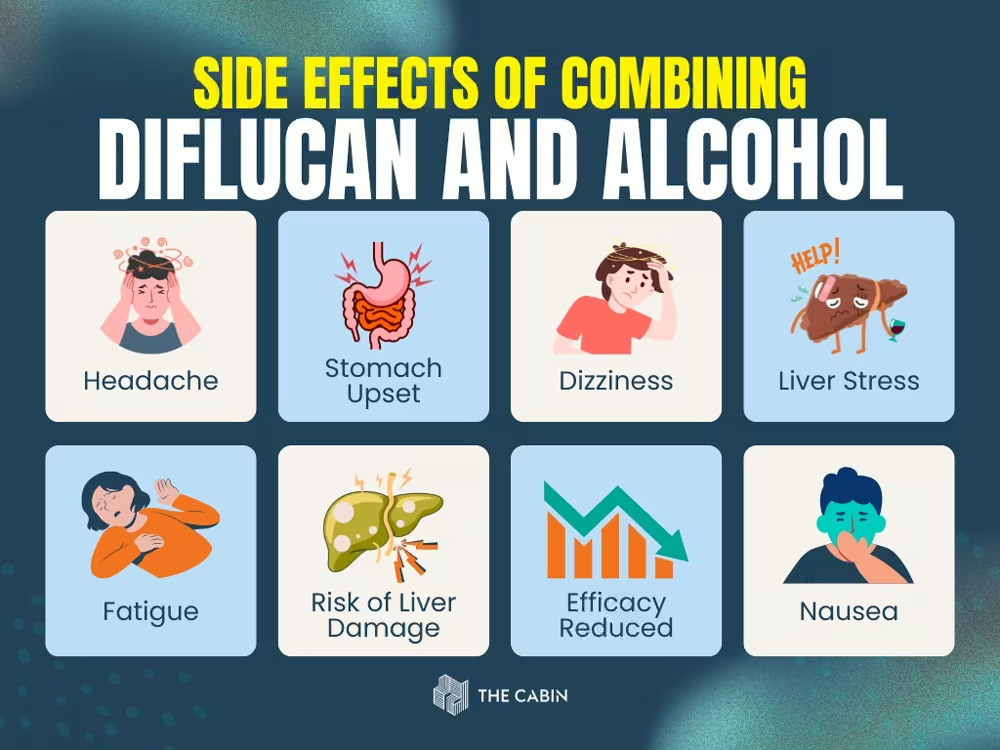
Potential side The side effects of combining Diflucan and alcohol are listed below. Combined exposure increases systemic stress, since both substances rely on hepatic metabolism and influence central nervous system activity.
- Headache: Mixing Diflucan and alcohol can trigger headaches due to the combined strain on the liver and nervous system. Vascular changes and dehydration from alcohol further intensify head pain during antifungal therapy.
- Stomach upset: Alcohol irritates the gastrointestinal tract, which intensifies stomach discomfort, nausea, or vomiting when combined with Diflucan. Gastric irritation increases when ethanol disrupts the protective lining of the stomach.
- Dizziness: Alcohol and Diflucan affect the central nervous system, increasing the chance of dizziness, lightheadedness, and impaired coordination. Additive depressant effects impair balance and slow reaction time.
- Liver stress: Alcohol places extra strain on the liver, which is responsible for metabolising. Persistent enzyme elevation signals hepatocellular stress.
- Fatigue: The combined effect of alcohol and Diflucan leads to increased tiredness or weakness, as the two substances affect liver function and the body’s ability to maintain energy levels. Energy production declines when metabolic resources shift toward detoxification.
- Increased risk of liver damage: Fluconazole, the active ingredient in Diflucan, is known to affect liver function. Fluconazole carries documented associations with transient liver enzyme elevation during treatment. Alcohol consumption compounds hepatic strain, which increases the risk of serious liver complications (jaundice or hepatitis).
- Reduced effectiveness of treatment: Alcohol interferes with the body’s ability to process Diflucan efficiently, reducing its effectiveness in treating fungal infections. Disrupted pharmacokinetics weaken consistent antifungal activity.
- Nausea: Alcohol and Diflucan upset the stomach, leading to nausea when combined. Gastrointestinal irritation and metabolic imbalance increase the likelihood of persistent nausea during therapy.antity, tirzepatide dose, hydration status, and underlying metabolic health, yet medical guidance commonly advises limiting or avoiding alcohol during Zepbound therapy.
Does Alcohol Affect How Diflucan Works?
Yes, alcohol affects how Diflucan works by disrupting the liver’s ability to metabolize the two substances efficiently. The interaction occurs through shared hepatic pathways rather than direct chemical binding. Diflucan is an antifungal medication that relies on the liver for processing. Fluconazole depends on stable hepatic enzyme activity to maintain predictable systemic concentrations. Alcohol undergoes liver metabolism, which increases the burden on liver enzymes, leading to potential delays in drug absorption and clearance. Enzyme competition alters pharmacokinetic balance, which may slow clearance and increase side effect risk. The extra strain interferes with the drug’s ability to maintain consistent therapeutic levels in the body, reducing its effectiveness in treating fungal infections. Fluctuating plasma concentrations weaken sustained antifungal pressure against active infection. Alcohol consumption while on Diflucan increases the risk of liver-related side effects (enzyme elevation or liver damage), which further compromises the body’s ability to properly process the medication. Elevated liver enzymes signal hepatic stress and indicate reduced metabolic efficiency. Alcohol intake during Diflucan treatment hinders the drug’s antifungal action and increases the chance of adverse reactions, making it essential to avoid alcohol during the treatment period. Temporary abstinence preserves metabolic stability and supports consistent therapeutic outcomes throughout antifungal therapy.
How Long After Taking Diflucan Can You Safely Drink Alcohol?
You can safely drink alcohol at least 48 to 72 hours after taking Diflucan. This timeframe allows for most of the active drug to decline to low systemic levels in individuals with normal liver function. The half-life of Diflucan is 30 hours, meaning it takes around 5 to 7 half-lives for the drug to be fully cleared from the body. A 30-hour half-life means significant drug reduction occurs over several days, although trace amounts may persist longer. The waiting period ensures that the drug has been metabolized and eliminated, reducing the risk of interactions with alcohol. Adequate clearance lowers hepatic workload and minimizes overlapping metabolic demand. Drinking alcoholbefore this period increases liver burden, which raises the likelihood of side effects and reduced medication effectiveness. Alcohol disrupts the liver’s ability to process fluconazole and ethanol, which leads to increased liver stress and the possibility of adverse reactions. Shared enzymatic pathways elevate metabolic competition and transient enzyme elevation. Waiting until Diflucan has been sufficiently removed from the body is important to reduce risks and allow the body to restore normal metabolic balance before alcohol exposure.
How Long Should You Wait to Drink After Taking Fluconazole?
You should wait at least 48 to 72 hours to drink after taking fluconazole. This interval allows plasma concentrations to decline significantly in individuals with normal hepatic function. The half-life of fluconazole is 30 hours, meaning it takes about 5 to 7 half-lives for the drug to be fully cleared from the body. A 30-hour half-life results in gradual elimination over several days, although minimal residual levels may persist beyond that window. Waiting this amount of time ensures the medication has been metabolized and largely eliminated, which lowers the risk of alcohol interfering with drug effectiveness or increasing side effect probability. People with liver conditions must wait longer, as their liver function is impaired, leading to slower elimination of both the medication and alcohol. Reduced hepatic efficiency prolongs clearance time and extends metabolic vulnerability. Finding a safe waiting period in such situations requires speaking with a healthcare professional. Individualized medical guidance ensures risk assessment based on liver health and dosage. Drinking alcohol too soon after fluconazole intake increases the risk of liver strain, nausea, dizziness, and gastrointestinal discomfort. Early alcohol exposure also heightens the probability of transient liver enzyme elevation. It is important to give the medication adequate time to pass through the system before consuming alcohol to prevent these risks. Allowing full metabolic recovery supports stable physiology and minimizes preventable adverse reactions.
Can You Take Diflucan After Drinking Alcohol?
No, you cannot take Diflucan after drinking alcohol. Taking the medication shortly after alcohol consumption increases the overlapping metabolic demand on the liver. Drinking alcohol before or after taking Diflucan increases the risk of liver strain, as the liver metabolizes the two substances. The liver must prioritize ethanol breakdown, which temporarily reduces metabolic capacity for fluconazole processing. The shared metabolic pathway puts added stress on liver enzymes, which results in elevated liver toxicity and an increased chance of adverse reactions. Elevated enzyme activity reflects hepatocellular stress and signals increased vulnerability to complications. Symptoms (nausea, dizziness, headaches, and stomach upset) are more typical when alcohol and Diflucan are combined. Central nervous system effects intensify when both substances circulate simultaneously. Alcohol interferes with the medication’s effectiveness by slowing the body’s ability to process and absorb the drug. Altered pharmacokinetics disrupt stable therapeutic concentrations required for antifungal efficacy. The risk of liver complications is further increased in patients with preexisting liver conditions. Impaired hepatic reserve prolongs elimination time and amplifies toxicity risk. Alcohol use must be avoided during treatment to minimize the risks and guarantee Diflucan’s appropriate efficacy. Temporary abstinence supports predictable metabolism and optimal treatment outcomes.
Can You Drink 24 Hours After Taking Fluconazole?
No, you cannot drink 24 hours after taking fluconazole. A 24-hour interval does not allow sufficient systemic reduction of the medication in most individuals. Fluconazole (Diflucan) has a half-life of 30 hours, meaning it takes 5 to 7 half-lives for the drug to be fully cleared from the body. A 30-hour half-life results in gradual elimination over several days, which exceeds a single 24-hour period. This duration is insufficient for complete metabolism, especially when liver function is impaired, even if 24 hours appears adequate for some individuals. Alcohol puts additional strain on the liver, where fluconazole and alcohol are processed, increasing the risk of side effects (dizziness, nausea, and liver complications). Shared hepatic pathways increase enzyme workload and transient metabolic instability. Patients with liver conditions must wait longer, as their bodies process the two substances more slowly. Reduced hepatic efficiency prolongs clearance time and elevates complication risk. It is safer to avoid alcohol or consult a healthcare provider before consuming it to minimize risks and ensure fluconazole works effectively. Medical guidance supports individualized timing based on dosage, liver health, and overall clinical status.
Can You Drink 2 Days After Taking Fluconazole?
Yes, you can drink 2 days after taking fluconazole. Most healthy adults can safely consume alcohol 48 hours after a single dose, as the medication has largely cleared from the bloodstream by that time. Fluconazole has a half-life of 30 hours, which means it takes about 5 to 7 half-lives for the drug to be eliminated from the body. A half-life refers to the time required for the body to reduce the drug’s concentration by half. 48 hours is enough time for the body to metabolize and clear fluconazole from the system in most cases. Drug clearance depends on liver enzyme activity, hydration status, and overall metabolic function. Patients with impaired liver function experience slower drug metabolism, requiring more time for complete elimination. Liver impairment reduces cytochrome P450 enzyme efficiency, which directly affects fluconazole breakdown. Alcohol consumption during fluconazole treatment places additional strain on the liver, where the two substances are processed, increasing the risk of side effects (dizziness, liver damage, or gastrointestinal discomfort). Alcohol and fluconazole both undergo hepatic metabolism, which increases cumulative liver workload. Waiting 48 hours is considered sufficient to minimize these risks and ensure fluconazole’s full effectiveness, but patients with liver conditions must seek medical advice before drinking alcohol. Individuals taking repeated doses or long-term antifungal therapy should also consult a healthcare provider, as steady-state drug levels remain higher than after a single dose. In summary, moderate alcohol intake 48 hours after a standard fluconazole dose is generally safe for healthy individuals, but personal medical history determines the safest choice.
Does Alcohol Make Fluconazole Less Effective?

Yes, alcohol makes fluconazole less effective. Alcohol does not directly block fluconazole’s antifungal mechanism, but it can indirectly reduce treatment efficiency by affecting liver metabolism and overall drug handling. The substances impair the body’s ability to metabolize and process the medication properly, while alcohol does not directly interfere with fluconazole’s chemical action against fungal infections. Fluconazole and alcohol are metabolized by the liver, and drinking alcohol places additional strain on liver function, which reduces the drug’s ability to maintain therapeutic levels. The liver uses cytochrome P450 enzymes to process both substances, which increases metabolic burden when they are consumed together. This disruption can lead to altered drug concentrations in the bloodstream, which may compromise consistent therapeutic exposure. Alcohol consumption worsens the side effects of fluconazole (nausea, dizziness, and liver strain), which impact the success of the treatment. Increased side effects reduce patient adherence, which directly lowers treatment success rates. It is recommended to avoid alcohol during treatment to maximize the effectiveness of fluconazole and avoid complications. Avoiding alcohol supports stable drug levels, protects liver function, and improves overall antifungal outcomes.
Can Mixing Diflucan with Alcohol Increase Nausea or Dizziness?
Yes, mixing Diflucan with alcohol can increase nausea and dizziness. The combination intensifies gastrointestinal irritation and central nervous system depression, which raises the likelihood of uncomfortable side effects. Alcohol and Diflucan have effects on the gastrointestinal (GI) and nervous systems. Alcohol irritates the stomach lining, which worsens the gastrointestinal side effects of Diflucan, leading to increased nausea, stomach upset, and discomfort. Gastric irritation reduces digestive efficiency, which amplifies queasiness and abdominal discomfort. The combined effect further compromises the stomach’s ability to properly digest food, intensifying the sensation of nausea. Alcohol and Diflucan cause dizziness and impair coordination on the nervous system side. Alcohol depresses the central nervous system, while Diflucan’s side effects amplify the symptoms. Central nervous system depression slows neural signaling, which decreases alertness and reaction time. The cumulative effect of alcohol and Diflucan increases the risk of dizziness and lightheadedness, making it harder for the body to maintain balance and alertness. Avoiding alcohol is required when taking Diflucan to prevent the additive effects. Limiting alcohol intake during antifungal therapy protects neurological stability and reduces preventable discomfort.
Can Diflucan Make You Feel Alcohol’s Effects More Strongly?
Yes, Diflucan can make you feel alcohol’s effects more strongly. The medication alters liver enzyme activity, which can slow alcohol metabolism and intensify intoxication symptoms. Diflucan’s active ingredient, fluconazole, inhibits the liver enzymes that break down alcohol. Fluconazole primarily inhibits cytochrome P450 enzymes, which participate in drug metabolism and influence alcohol processing pathways. Alcohol breakdown in the body is slowed when the liver is overworked from processing alcohol and Diflucan.Reduced metabolic efficiency increases circulating alcohol levels in the bloodstream. The delayed metabolism leads to higher blood alcohol levels and strengthens alcohol’s effects, making patients feel intoxicated more quickly or intensely. Elevated blood alcohol concentration directly increases sedation, dizziness, and cognitive impairment. The combination increases the risk of side effects (dizziness, nausea, and impaired coordination). Alcohol tolerance is reduced when taking Diflucan, and it is essential to avoid drinking alcohol while undergoing treatment to prevent the stronger effects and minimize potential health risks. Avoiding alcohol during therapy protects liver function, stabilizes drug metabolism, and reduces preventable adverse reactions.
Is One Glass of Wine Safe While Taking Diflucan?
No, one glass of wine is not safe while taking Diflucan. Even a small amount of alcohol can increase side effect risk and place additional metabolic demand on the liver. Alcohol and Diflucan are processed by the liver, and consuming alcohol places additional strain on the liver, which affects the medication’s metabolism. The liver uses shared enzymatic pathways to metabolize both substances, which increases cumulative hepatic workload. The body is not able to properly process Diflucan if the liver is overworked from processing the two substances. Reduced metabolic efficiency can alter drug concentration and therapeutic stability. Alcohol raises the side effects of Diflucan (dizziness, nausea, and liver stress). Increased adverse effects decrease treatment tolerance and may interrupt adherence. Avoiding alcohol during treatment is advised to reduce the risk of liver problems and guarantee Diflucan’s full effectiveness. Abstaining from alcohol supports consistent antifungal activity and protects overall liver health during therapy.
Are There Safer Ways to Drink Alcohol While on Diflucan?
No, there are no safer ways to drink alcohol while on Diflucan. No strategy fully removes the interaction risk, as both substances rely on hepatic metabolism. Alcohol increases the strain on the liver, where alcohol and Diflucan are metabolized. The liver prioritizes toxin clearance, which can temporarily alter drug processing efficiency. Drinking reduces the effectiveness of the medication and increases the chance of liver-related side effects. Reduced metabolic stability may lead to fluctuating antifungal concentrations in the bloodstream. Certain strategies help minimize risk if alcohol consumption is unavoidable. Risk reduction strategies lower intensity, but they do not create safety. Spacing doses of Diflucan apart from alcohol consumption reduces interference with the drug’s metabolism, but it does not eliminate the risk entirely. Temporal separation decreases peak overlap, yet enzyme competition can still occur. Hydration is required to support liver function and aid in the elimination of the two substances. Adequate fluid intake supports renal clearance and maintains metabolic balance. Limiting alcohol intake to small amounts and ensuring it is consumed on a full stomach reduces the impact on the gastrointestinal system and decreases the chance of side effects. Food intake slows alcohol absorption, which may reduce acute irritation and dizziness. It remains advisable to refrain from alcohol while undergoing treatment with Diflucan to ensure the drug works effectively and minimize liver strain. Complete avoidance provides the highest level of protection for therapeutic consistency and hepatic health.
What Should You Do if You Accidentally Drink Alcohol While Taking Diflucan?
You should monitor any symptoms that arise (nausea, dizziness, headache, or abdominal discomfort) if you accidentally drink alcohol while taking Diflucan. Symptom monitoring allows early detection of adverse reactions and prevents delayed complications. Each symptom occurs due to the added strain on the liver, which processes Diflucan and alcohol. The liver manages drug metabolism and alcohol detoxification through shared enzymatic pathways, which increases metabolic burden. Hydration is important to support liver function and help the body process the two substances more efficiently. Adequate fluid intake supports circulation and assists renal elimination of metabolic byproducts. Rest and hydration are sufficient if symptoms are mild. Mild reactions typically resolve as blood alcohol levels decline and drug metabolism stabilizes. Seeking medical attention right away is significant if severe symptoms like severe dizziness, confusion, or jaundice (yellowing of the skin or eyes) appear. Jaundice indicates potential liver dysfunction and requires prompt clinical evaluation. A healthcare professional assesses the situation and provides the appropriate guidance or intervention. Clinical assessment may include liver function testing and symptom-based management. Avoiding alcohol while taking Diflucan is advised to prevent complications in the future. Future avoidance protects hepatic stability and ensures consistent antifungal treatment outcomes.
How to Minimize Side Effects When Drinking Alcohol on Diflucan?
To minimize side effects when drinking alcohol on Diflucan, there are four steps to follow. These steps reduce the intensity of adverse reactions, but they do not eliminate interaction risk. First, limit alcohol intake to moderate amounts and avoid excessive consumption, as alcohol increases liver strain and heightens the risk of side effects (nausea and dizziness). Lower alcohol volume decreases hepatic workload and reduces peak blood alcohol concentration. Second, hydrate well by drinking plenty of water to support liver function and help the body process the medication and alcohol more efficiently. Adequate hydration maintains circulatory volume and assists metabolic waste clearance. Third, space alcohol consumption as far apart from taking Diflucan as possible to reduce interference with the medication’s effectiveness and to give the liver time to metabolize the drug. Temporal separation reduces peak metabolic overlap, which may decrease cumulative enzyme competition. Lastly, monitor for any symptoms (severe dizziness, confusion, or abdominal discomfort). Early symptom recognition allows timely intervention and prevents progression. Seek medical attention immediately if any of the symptoms occur. Prompt evaluation protects liver health and supports safe recovery. Following each step helps reduce the risk of adverse effects while ensuring fluconazole works effectively. Complete alcohol avoidance remains the most reliable strategy for maintaining therapeutic stability and minimizing preventable complications.
What Are the Differences Between Drinking on Antifungal Medications Like Diflucan and Itraconazole?
The differences between drinking on antifungal medications like Diflucan and Itraconazole are listed below. The key distinctions involve liver enzyme interaction, toxicity risk, and overall safety profile when combined with alcohol
Other Antifungals: Terbinafine causes enzyme elevation (less risky than Itraconazole), while Griseofulvin causes dizziness/nausea but fewer liver concerns.
- Liver Metabolism: Diflucan (fluconazole) is metabolized by the liver, but Itraconazole and Ketoconazole have a more complex interaction with liver enzymes. Fluconazole primarily inhibits select cytochrome P450 enzymes, while itraconazole and ketoconazole inhibit a broader enzymatic range. Itraconazole affects a broader range of cytochrome P450 enzymes, which increases the chances of severe interactions with alcohol. Ketoconazole is known for a higher risk of liver toxicity, especially when alcohol is consumed, making alcohol intake more dangerous. Greater enzyme inhibition increases the probability of hepatotoxicity and altered drug clearance.
- Alcohol Interaction: Drinking alcohol while taking Diflucan leads to mild gastrointestinal issues, dizziness, and liver strain. Itraconazole and Ketoconazole have stronger effects on liver enzymes, which heightens the risk of liver damage and severe side effects (nausea, fatigue, headaches, and dizziness). Stronger enzyme inhibition elevates blood drug levels, which intensifies adverse reactions when alcohol is present.
- Side Effects: Ketoconazole is more likely to cause severe liver toxicity than Diflucan when alcohol is consumed. Itraconazole and Ketoconazole cause more severe reactions due to their stronger inhibition of liver enzymes, while Diflucan causes some side effects (nausea or dizziness) with alcohol. Severity correlates with the degree of hepatic enzyme suppression and metabolic interference.
- General Safety: Diflucan has a safer profile when alcohol is consumed in moderation compared to Itraconazole and Ketoconazole. Alcohol consumption presents risks (liver strain and reduced effectiveness of the drug). Itraconazole and Ketoconazole present greater risks of liver strain and more intense interactions with alcohol, making them less safe for use with alcohol. The combination of Itraconazole and alcohol increases the chance of adverse effects, making it important to avoid alcohol during treatment with the medication. Complete alcohol avoidance provides the highest safety margin across all systemic antifungal therapies.
- Other Antifungals: Terbinafine and Griseofulvin have different interactions with alcohol. Terbinafine causes liver enzyme elevation but is less risky than Itraconazole and Ketoconazole. Griseofulvin has fewer liver-related concerns but causes dizziness and nausea when combined with alcohol. Each antifungal has a distinct metabolic pathway, which determines its specific interaction risk with alcohol consumption.
Why Does Alcohol Sometimes Worsen Yeast Infection Symptoms While on Diflucan?
Alcohol does sometimes worsen yeast infection symptoms while on Diflucan because it affects sugar metabolism, inflammation, and immune function. These physiological effects create conditions that favor fungal persistence, even during antifungal therapy. Alcohol increases blood sugar levels, creating an environment that promotes yeast growth and worsens the fungal infection. Elevated glucose provides an additional substrate for Candida species, which accelerates microbial proliferation. Inflammation is another contributing factor, as alcohol raises systemic inflammation, impairing the body’s ability to effectively combat the infection. Increased inflammatory markers disrupt mucosal balance and delay tissue recovery. Alcohol suppresses immune responses, weakening the body’s defense mechanisms and reducing the effectiveness of Diflucan in treating the infection. Suppressed immune surveillance decreases fungal clearance efficiency and prolongs symptom duration. The combined effects lead to the worsening of yeast infection symptoms, despite treatment with Diflucan. Metabolic imbalance and immune suppression together counteract optimal antifungal response. Avoiding alcohol during treatment is recommended to optimize recovery and reduce the risk of symptom exacerbation. Abstaining from alcohol supports glycemic stability, immune resilience, and consistent therapeutic outcomes.
Does Alcohol Interfere with Yeast Infection Medication Like Diflucan?
Yes, alcohol interferes with yeast infection medication like Diflucan. Alcohol affects liver metabolism, immune response, and blood glucose regulation, which collectively reduce antifungal treatment efficiency. Alcohol delays healing and worsens a yeast infection by increasing the strain on the liver, which is responsible for metabolizing alcohol and the medication. The liver uses shared enzymatic pathways to process both substances, which increases metabolic competition. The added burden on the liver may reduce the body’s ability to properly process and absorb Diflucan, lowering its effectiveness. Altered drug metabolism can lead to inconsistent therapeutic concentrations in the bloodstream. Alcohol raises blood sugar levels, which provides a more favorable environment for yeast to thrive, worsening the infection. Elevated glucose levels support Candida growth and prolong fungal activity. Alcohol weakens the immune system, impairing the body’s ability to fight off the infection and making it harder for Diflucan to work effectively. Suppressed immune defenses decrease fungal clearance and delay symptom resolution. The combined factors lead to a prolonged infection or worsen existing symptoms, making it important to avoid alcohol during treatment with Diflucan. Avoiding alcohol preserves liver stability, supports immune strength, and maximizes antifungal effectiveness throughout therapy.
Why Does Alcohol Sometimes Worsen Yeast Infection Symptoms While on Diflucan?
Alcohol does sometimes worsen yeast infection symptoms while on Diflucan because it affects sugar metabolism, inflammation, and immune function. These physiological effects create conditions that favor fungal persistence, even during antifungal therapy. Alcohol increases blood sugar levels, creating an environment that promotes yeast growth and worsens the fungal infection. Elevated glucose provides an additional substrate for Candida species, which accelerates microbial proliferation. Inflammation is another contributing factor, as alcohol raises systemic inflammation, impairing the body’s ability to effectively combat the infection. Increased inflammatory markers disrupt mucosal balance and delay tissue recovery. Alcohol suppresses immune responses, weakening the body’s defense mechanisms and reducing the effectiveness of Diflucan in treating the infection. Suppressed immune surveillance decreases fungal clearance efficiency and prolongs symptom duration. The combined effects lead to the worsening of yeast infection symptoms, despite treatment with Diflucan. Metabolic imbalance and immune suppression together counteract optimal antifungal response. Avoiding alcohol during treatment is recommended to optimize recovery and reduce the risk of symptom exacerbation. Abstaining from alcohol supports glycemic stability, immune resilience, and consistent therapeutic outcomes.
Can You Drink Alcohol While Taking Diflucan 150 mg?
No, you cannot drink alcohol while taking Diflucan 150 mg. Even though the 150 mg dose is commonly prescribed as a single treatment, alcohol can still interfere with metabolic stability and symptom control. Diflucan is prescribed as a single-dose treatment for yeast infections, and consuming alcohol interferes with the medication’s effectiveness. The medication relies on consistent systemic absorption to eliminate fungal overgrowth efficiently. Alcohol places additional strain on the liver, where the medication and alcohol are metabolized. Shared hepatic pathways increase metabolic demand and may alter drug processing speed. Diflucan’s effectiveness diminished as a result, and the chance of adverse effects (nausea, vertigo, or liver strain) rises. Reduced metabolic efficiency can increase the likelihood of nausea, vertigo, and liver stress. Drinking alcohol during or immediately after taking the medication disrupts its therapeutic effects and delays the healing process, although the single-dose format of Diflucan clears from the body relatively quickly. Fluconazole has a long half-life, which means measurable levels remain in circulation for several days despite single-dose administration. Alcohol must be avoided during treatment to achieve the best results. Avoiding alcohol supports optimal antifungal activity and reduces preventable side effects during recovery.
Can You Drink on Yeast Infection Medicine Without Affecting Recovery?
No, you cannot drink on yeast infection medicine without affecting recovery. Alcohol alters drug metabolism, immune response, and glycemic balance, which collectively slow therapeutic progress. Alcohol interferes with the body’s ability to metabolize antifungal medications, which can reduce their effectiveness. The liver processes both alcohol and antifungal agents through shared enzymatic systems, which increases metabolic competition. Consuming alcohol while on yeast infection medication puts extra strain on the liver, where both alcohol and the medication are processed, potentially slowing down recovery. Increased hepatic workload may destabilize antifungal concentration levels in the bloodstream. Alcohol can also weaken the immune system, which is essential in fighting infections. Suppressed immune activity reduces fungal clearance efficiency and prolongs symptom persistence. To ensure the best recovery, it is important to avoid alcohol while taking yeast infection medicine and follow antifungal safety rules, such as completing the full course of treatment and maintaining good hygiene. Consistent medication adherence and lifestyle support improve treatment outcomes and reduce recurrence risk.
How Long After Diflucan Can I Drink Alcohol Without Side Effects?
You can drink alcohol after 48 to 72 hours without side effects after taking Diflucan. Most healthy adults tolerate moderate alcohol intake after this window, as circulating fluconazole levels significantly decline. Diflucan (fluconazole) has a half-life of 30 hours, which means it takes around 5 to 7 half-lives for the drug to be fully eliminated from the body. A drug’s half-life represents the time required for the plasma concentration to decrease by 50 percent. The duration amounts to 48 to 72 hours for most patients. Complete elimination may extend slightly beyond this range, depending on metabolic variability. The timeline varies depending on factors (liver function, age, and health). Hepatic efficiency directly influences how quickly fluconazole is metabolized and cleared. Patients with compromised liver function require more time to metabolize the medication, meaning patients must wait longer before consuming alcohol. Reduced liver enzyme activity prolongs systemic drug presence. Drinking alcohol before the medication has been completely cleared from the system strains the liver, increases the risk of side effects (dizziness or nausea), and reduces the medication’s effectiveness. Early alcohol intake may also intensify fatigue and impair coordination. It is best to wait the entire recommended amount of time to guarantee the safety and efficacy of the treatment. Allowing full metabolic clearance supports stable liver function and optimal antifungal results.
Can Alcohol Cause Diflucan to Make You Feel Sick?
Yes, alcohol use can cause Diflucan to make you feel sick. The interaction amplifies gastrointestinal irritation and central nervous system depression, which increases the likelihood of discomfort. Alcohol and Diflucan affect the gastrointestinal (GI) and nervous systems, which compound symptoms (nausea, dizziness, and stomach upset). Overlapping physiological effects intensify symptom severity and duration. Alcohol irritates the stomach lining and increases gastric acid production, which intensifies the GI side effects of Diflucan, leading to nausea or vomiting. Increased gastric acidity disrupts mucosal stability and heightens abdominal discomfort. The combination of alcohol and Diflucan places added stress on the liver, where alcohol and the medication are metabolized, which worsens feelings of discomfort. Elevated hepatic workload can contribute to fatigue and systemic malaise. Alcohol depresses the central nervous system, and when combined with Diflucan, it heightens dizziness, fatigue, or impaired coordination. Slowed neural signaling reduces alertness and balance control. The compounded effects make the experience of taking Diflucan more uncomfortable when alcohol is consumed, increasing the chance of feeling unwell. Avoiding alcohol while taking Diflucan is the best way to reduce the risks and guarantee successful treatment. Abstaining from alcohol supports stable drug metabolism and improves overall treatment tolerance.
Does Alcohol Affect Diflucan’s Ability to Clear a Yeast Infection?
Yes, alcohol affects Diflucan’s ability to clear a yeast infection. Alcohol influences liver metabolism, immune strength, and glycemic balance, which collectively shape antifungal treatment outcomes. Alcohol places additional stress on the liver, which is responsible for metabolizing both the medication and alcohol. The liver processes fluconazole and ethanol through shared enzymatic systems, which increases metabolic competition. This added strain can interfere with the body’s ability to process and absorb Diflucan effectively, potentially slowing down its action and reducing its effectiveness in treating the yeast infection. Altered drug metabolism may lead to inconsistent plasma concentrations and delayed fungal clearance. Alcohol can also weaken the immune system, impairing the body’s ability to fight infections and hindering the healing process. Reduced immune surveillance decreases the body’s efficiency in eliminating Candida overgrowth. Each factor together can slow recovery and may result in a prolonged infection, making it important to avoid alcohol while taking Diflucan to ensure the most effective treatment and a quicker recovery. Avoiding alcohol supports hepatic stability, immune resilience, and consistent antifungal activity throughout therapy.
How Long After Diflucan Can I Drink Alcohol Without Side Effects?
You can drink alcohol after 48 to 72 hours without side effects after taking Diflucan. Most healthy adults tolerate moderate alcohol intake after this window, as circulating fluconazole levels significantly decline. Diflucan (fluconazole) has a half-life of 30 hours, which means it takes around 5 to 7 half-lives for the drug to be fully eliminated from the body. A drug’s half-life represents the time required for the plasma concentration to decrease by 50 percent. The duration amounts to 48 to 72 hours for most patients. Complete elimination may extend slightly beyond this range, depending on metabolic variability. The timeline varies depending on factors (liver function, age, and health). Hepatic efficiency directly influences how quickly fluconazole is metabolized and cleared. Patients with compromised liver function require more time to metabolize the medication, meaning patients must wait longer before consuming alcohol. Reduced liver enzyme activity prolongs systemic drug presence. Drinking alcohol before the medication has been completely cleared from the system strains the liver, increases the risk of side effects (dizziness or nausea), and reduces the medication’s effectiveness. Early alcohol intake may also intensify fatigue and impair coordination. It is best to wait the entire recommended amount of time to guarantee the safety and efficacy of the treatment. Allowing full metabolic clearance supports stable liver function and optimal antifungal results.
Can You Drink Alcohol While Taking Diflucan for Thrush or Other Yeast Infections?
No, you cannot drink alcohol while taking Diflucan for thrush or other yeast infections. Alcohol interferes with liver metabolism, immune defense, and mucosal healing, which are essential for effective antifungal therapy. Diflucan (fluconazole) is an antifungal medication used to treat various types of yeast infections (thrush, vaginal yeast infections, and systemic fungal infections). Fluconazole works by inhibiting fungal cell membrane synthesis, which disrupts Candida growth and replication. Alcohol consumption while taking Diflucan interferes with the body’s ability to metabolize the medication effectively. Ethanol competes for hepatic enzyme activity, which can alter drug concentration stability. Alcohol and Diflucan are processed through the liver, and drinking alcohol places additional strain on the liver, reducing the effectiveness of the medication and prolonging the infection. Increased hepatic workload may delay optimal antifungal plasma levels. The immune system, which is essential for warding off fungal infections, is weakened by alcohol. Suppressed immune response reduces the body’s ability to eliminate fungal overgrowth efficiently. Alcohol irritates the affected tissues, worsening symptoms (soreness and inflammation) in cases of thrush, where the infection affects the mouth and throat. Local irritation delays mucosal recovery and intensifies discomfort. Alcohol must be avoided while taking Diflucan for the best results and a quicker recovery. A yeast infection and alcohol consumption interfere with the healing process and increase the risk of complications, further delaying recovery. Complete avoidance supports therapeutic consistency, symptom resolution, and reduced recurrence risk.
How to Know if Alcohol Is Making Your Diflucan Side Effects Worse
To know if alcohol is making your Diflucan side effects worse, there are four steps to follow. These steps help identify symptom escalation patterns linked to combined alcohol and fluconazole exposure. First, monitor symptoms (nausea), which increase when alcohol interferes with the medication’s absorption. Rising nausea after drinking suggests additive gastrointestinal irritation and altered drug tolerance. Second, watch for dizziness or lightheadedness, as alcohol and Diflucan affect the central nervous system, intensifying the symptoms. Increased dizziness indicates compounded central nervous system depression and reduced neural alertness. Third, keep track of fatigue or weakness, as alcohol amplifies the side effects of Diflucan, leading to excessive tiredness. Heightened fatigue reflects overlapping sedative effects and metabolic strain. Lastly, observe any gastrointestinal discomfort (bloating or stomach pain), which worsens when combining alcohol and Diflucan. Persistent abdominal discomfort may signal increased gastric irritation or hepatic stress. Each step makes it simpler to determine whether alcohol is interfering with the treatment and to take appropriate action. Identifying consistent symptom patterns allows for timely alcohol cessation and supports safer treatment continuation.
Your body deserves the chance to heal
A healthier future starts when alcohol stops getting in the way, and better health begins with better choices. If alcohol has become a barrier to your wellness goals, our team at The Cabin Chiang Mai is ready to guide you toward a safer, happier, and alcohol-free future with the dignity you deserve. Reach out to us, and we’ll get back to you within 24 hours!