No, Drinking alcohol while taking cephalexin is not recommended. Alcohol does not directly reduce the antibiotic’s effectiveness, but it does increase the risk of side effects such as stomach upset, dizziness, and drowsiness. Combining cephalexin and alcohol slows recovery time by straining the liver and immune system. Higher doses of cephalexin with alcohol increase adverse effects in individuals with dehydration, compromised immunity, or liver and kidney problems. Stronger alcoholic drinks and larger amounts pose greater risks. Avoiding alcohol during treatment ensures optimal medication performance and faster healing.
Cephalexin is a commonly prescribed antibiotic that is used to treat bacterial infections such as respiratory tract infections, skin infections, and urinary tract infections. Alcohol is metabolised mainly in the liver. Cephalexin is primarily excreted unchanged by the kidneys and undergoes little liver metabolism. No strong pharmacological interaction exists between cephalexin and alcohol. Drinking alcohol while taking cephalexin is unlikely to cause severe adverse reactions or reduce the antibiotic’s effectiveness. However, alcohol use increases the risk of side effects such as stomach upset, dizziness, and drowsiness, which occur with cephalexin. Avoiding alcohol ensures safe and effective treatment when drinking alcohol on antibiotics.
Doctors recommend avoiding alcohol during cephalexin treatment to ensure medication effectiveness and reduce adverse effects. Medical advice prioritises recovery over alcohol consumption. Following prescribed doses and consulting healthcare providers about alcohol use supports safe treatment. The guidelines represent best practices for cephalexin and alcohol. Careful evaluation is necessary before drinking on cephalexin. Awareness of risks plays a crucial role when drinking alcohol on cephalexin.
Is it safe to drink alcohol while taking cephalexin?
No, it is not safe to drink alcohol while taking cephalexin. Alcohol can increase the risk of side effects like nausea, dizziness, and stomach upset that cephalexin may cause. Drinking alcohol may slow down the body’s ability to recover from an infection. Avoiding alcohol during cephalexin treatment helps ensure the medication works effectively and reduces the chance of complications.
What happens if you Drink Alcohol While Taking Cephalexin?
Nausea, vomiting, and diarrhoea are the side effects if you drink alcohol while taking cephalexin. While it may not cause severe or dangerous interactions or reduce the drug’s effectiveness, alcohol consumption during treatment increases the nausea, vomiting, and diarrhoea. Delaying alcohol intake until treatment completion prevents discomfort. The chance of adverse side effects is further decreased by delaying drinking for a few days after finishing cephalexin. Cephalexin is generally safe, but drinking alcohol while taking it is not recommended. Alcohol impairs the immune system and interferes with the body’s natural healing process. Alcohol consumption leads to a longer recovery period from infections and a diminished capacity to combat diseases. Alcohol puts more stress on the liver, which breaks down cephalexin and fights illness. Increased liver stress might hinder the effectiveness of medications and delay the healing process.
The effect is linked to cephalosporins with a specific chemical structure that cephalexin lacks. A study focusing on intravenous cephalosporins reported severe reactions and fatalities. Cephalexin’s oral use is far less associated with the reaction. Caution remains necessary, and avoiding alcohol during treatment and for several days afterwards minimises risks, according to the Cephalosporin-Induced Disulfiram-Like Reaction: A Retrospective Review of 78 Cases, the study by Ren and Cao, February 2014.
Is it bad to drink alcohol on cephalexin?
No, it is not bad to drink alcohol on cephalexin. Alcohol is not considered severely harmful during cephalexin treatment, as no direct dangerous interaction exists between the two. However, drinking alcohol during cephalexin treatment is generally not recommended, because drinking alcohol to cephalexin can worsen side effects (dizziness, drowsiness, nausea, and stomach upset). Alcohol may impair the immune system and hinder the body’s natural ability to recover from infection, potentially prolonging recovery.
How does Alcohol Affect Cephalexin in the Body?
Alcohol does not affect cephalexin in the body, but drinking while taking cephalexin can increase unpleasant side effects. Based on animal and pharmacokinetic studies, it may also alter how the drug is absorbed and eliminated.
Cephalexin leaves the body unchanged through the kidneys and has minimal liver metabolism. Alcohol undergoes metabolism in the liver. Hepatic enzymes do not significantly process cephalexin, so no intense biochemical competition reduces the antibiotic’s antibacterial effect. Clinical guidance states that a pharmacologic interaction is unlikely.
No direct harmful interaction occurs between alcohol and Cephalexin. Limiting or avoiding alcohol during cephalexin treatment lowers the chance of intensified side effects. The combination of alcohol and cephalexin intensifies gastrointestinal side effects such as nausea, vomiting, diarrhoea, and indigestion, according to an article, “Can you drink while taking Cephalexin? ” published by SingleCare in 2022.
Alcohol does not chemically inactivate cephalexin. Alcohol influences cephalexin’s effectiveness and side effect profile by slowing gastric emptying and intestinal motility, which delays absorption. Cephalexin is excreted unchanged by the kidneys and bypasses significant liver metabolism. Alcohol metabolism in the liver produces acetaldehyde and oxidative stress that impair immune function and slow recovery while amplifying shared side effects such as nausea, vomiting, dizziness, and fatigue.
The cephalexin and alcohol interaction is primarily an issue of reduced tolerance and potential delay in therapeutic response rather than direct drug inactivation.
Does Alcohol Stop Cephalexin from Working?
No, alcohol does not inhibit cephalexin’s effectiveness. The antibiotic remains effective against bacterial infections regardless of alcohol intake. Alcohol amplifies side effects such as nausea, vomiting, and dizziness. Alcohol impairs recovery by weakening immune function, straining the liver and kidneys that process alcohol and the medication, and causing dehydration that worsens infection symptoms. Cephalexin lacks the chemical side chains responsible for disulfiram-like reactions seen in some cephalosporins. Medical guidance advises avoiding alcohol during treatment to reduce discomfort and support healing. Cephalexin does not trigger such reactions, according to the retrospective review “Cephalosporin-Induced Disulfiram-Like Reaction” in “A Retrospective Review of 78 Cases” by Shiyan Ren and Yuxia Cao, March 2014.
Does Alcohol Make Cephalexin Less Effective?
No, alcohol does not lessen cephalexin’s antimicrobial efficacy. The alcohol and cephalexin are metabolized via distinct paths, as alcohol does not impede the drug’s main mode of action, which is to prevent the formation of bacterial cell walls. Alcohol may exacerbate cephalexin-related adverse effects like nausea, lightheadedness, or drowsiness, which could make treatment less bearable and make it more difficult to follow the recommended course of action. Drinking too much alcohol might weaken the immune system and delay healing.
How much Alcohol can you Safely Drink with Cephalexin?
There is no safe amount of alcohol to consume while taking cephalexin. Alcohol increases the risk of nausea, vomiting, and lightheadedness during therapy. Alcohol affects healing by slowing the antibiotic’s absorption. The liver processes alcohol and cephalexin, which puts more strain on the organs. Many common beverages, such as a 150 ml glass of wine or a 355 ml beer, intensify the effects. Dehydration and liver damage are more likely to occur when three or more beverages are consumed in one sitting. Combining alcohol and cephalexin impairs the body’s ability to fight off illness. Avoid alcohol for at least 48 hours after the last dose for optimal recovery.
Is it better to avoid alcohol when taking cephalexin?
Yes, it is better to avoid alcohol when taking cephalexin. Abstaining from alcohol while using cephalexin lessens side effects and promotes healing. Alcohol increases the risk of dehydration, nausea, and vertigo during therapy. Alcohol puts more stress on the liver and slows down the absorption. Abstaining from alcohol for at least 48 hours after the final dose improves the body’s ability to fight infection.
Does Alcohol Addiction Increase the Risks of Taking Cephalexin?
Yes, alcohol addiction increases the risk of taking cephalexin. Chronic alcohol use weakens the immune system, which reduces the body’s ability to fight bacterial infections effectively. Excessive alcohol intake strains the liver, increasing the chance of liver toxicity when combined with cephalexin. Alcohol irritates the stomach lining, which worsens gastrointestinal side effects such as nausea, vomiting, and stomach pain. Heavy drinking dehydrates the body, which slows recovery and affects drug absorption. Long-term alcohol use damages the gut microbiome, which interferes with the body’s response to antibiotics. For example, a person with alcohol addiction can experience more potent side effects and delayed healing compared to a non-drinker taking cephalexin for the same infection, particularly when there is addiction to alcohol.

Is Beginning Recovery from Alcohol before Taking Cephalexin?
Yes, alcohol early recovery phase is important before taking cephalexin. Eliminating alcohol from the body before starting cephalexin treatment reduces the risk of complications. Alcohol strains the liver and kidneys, which are the organs involved in processing the drug. A stressed liver processes antibiotics less efficiently, which can slow recovery from infections. Alcohol worsens side effects such as nausea, dizziness, and stomach upset that already occur with cephalexin. Alcohol lowers the immune system’s ability to fight bacterial infections. Withdrawal from alcohol before treatment allows the body to restore regular hydration and nutrient levels. Improved hydration and nutrients increase tolerance to the medication. A clear system ensures optimal absorption and effectiveness of the antibiotic. Medical guidance supports full alcohol early recovery phase to promote safe and effective recovery.
Can Cephalexin be Addictive?
No, Cephalexin is not addictive. Cephalexin belongs to the cephalosporin class of antibiotics, which stop bacterial growth and do not affect the brain chemistry related to addiction. The medication targets bacterial cell wall synthesis, which prevents infections from spreading. Drugs that alter dopamine or opioid receptors are the ones that produce addictive effects. Antibiotics do not act on these pathways. Prolonged or repeated use of antibiotics can lead to bacterial resistance, but not compulsive drug-seeking behaviour. Clinical reports and pharmacological studies confirm no evidence of dependency with therapeutic use. Unnecessary intake without medical need can cause side effects such as diarrhoea, skin rash, or yeast infections. Misuse for non-medical purposes has no reinforcing impact that drives addiction. These characteristics explain the absence of cephalexin addiction in medical literature.
How does Alcohol Interact with Higher Doses of Cephalexin?
Alcohol interacts with higher doses of cephalexin without directly affecting its antibacterial activity. Cephalexin is a beta-lactam antibiotic widely prescribed to treat bacterial infections such as respiratory tract infections, skin infections, and urinary tract infections. Alcohol is a central nervous system depressant commonly consumed in social and recreational settings. No direct interaction exists between alcohol and the antibacterial effectiveness of cephalexin, even at higher doses. Cephalexin is primarily excreted unchanged by the kidneys and undergoes minimal liver metabolism, while alcohol is mainly metabolized in the liver. Significant metabolic competition does not occur between the two substances.
Higher doses of cephalexin do not increase the risk of a direct pharmacologic interaction with alcohol. Alcohol consumption increases side effects such as gastrointestinal discomfort, nausea, dizziness, and impaired coordination. Alcohol slows gastric emptying and intestinal motility, which slightly delays cephalexin absorption but usually without clinical significance. Alcohol does not reduce the effectiveness of cephalexin at any dose. Avoiding alcohol minimises side effects and supports optimal recovery from infection. Higher doses of cephalexin increase the likelihood of side effects when combined with alcoholic beverages. Liquor worsens nausea, dizziness, headache, and stomach upset caused by cephalexin. Alcoholic drinks also raise the risk of dehydration, which delays healing and intensifies symptoms. Side effects, such as vomiting, diarrhoea, and fatigue, remain milder at lower doses because the liver and kidneys handle a less toxic load. For example, alcohol consumption with 500 mg of cephalexin causes more severe dizziness than with 250 mg. Avoiding alcohol during high-dose treatment prevents added stress on the body, according to the study “Impact of Alcohol on Cephalexin Toxicity” by James Miller and Sarah Lee, published in June 2019. It confirms that alcohol increases adverse effects significantly at higher cephalexin doses.
Can you drink alcohol with cephalexin 500 mg?
No, it is advised that you do not drink alcohol with cephalexin 500 mg. Alcohol has no direct influence on cephalexin 500 mg’s antibacterial activity. Alcohol raises the possibility of adverse effects like nausea, vomiting, lightheadedness, and upset stomach. Dehydration from alcohol slows the healing process of bacterial infections. The liver, which breaks down ethanol and drugs, is strained by alcohol. Antibiotics mixed with alcohol reduce vitality and impair immunity. Alcohol consumption while taking antibiotics impairs coordination and focus, making regular chores more challenging. Research indicates that combining alcohol and antibiotics increases treatment tolerance and lengthens the duration of illness. Medical advice recommends avoiding alcohol until the infection has fully resolved to allow the body to heal faster while taking cephalexin 500mg and alcohol.
Can you drink alcohol with cephalexin 1000 mg?
No, you should not drink alcohol with cephalexin 1000 mg. Alcohol does not stop cephalexin from working, but combining the two increases the risk of side effects. Alcohol irritates the stomach and intensifies nausea, vomiting, or diarrhea that cephalexin can cause. The sedative effect of alcohol adds to dizziness and fatigue, which delays recovery. The liver processes alcohol and drugs, which increases the workload on the body and affects energy levels needed for healing. Dehydration from alcohol worsens the discomfort from infection and medication use. For example, a person with a bacterial throat infection may experience prolonged soreness and fatigue when alcohol is consumed during treatment. Stronger alcohol drinks, like whiskey, cause faster irritation compared to lower-strength beverages like beer. The safest approach is to avoid drinking alcohol until the infection fully clears while on cephalexin 1000mg.
How Do Different Alcohol Types Interact with Cephalexin?
Different alcohol types interact with cephalexin through their ethanol concentration, additives, and fermentation byproducts. Beer contains lower alcohol content, but includes hops and fermentation compounds that increase gastric irritation, raising the risk of nausea when taken with cephalexin. Wine contains higher ethanol levels and natural acids that slow gastric emptying, delaying the absorption of the antibiotic. Spirits such as vodka, whiskey, and rum contain high ethanol concentrations that intensify central nervous system effects, such as dizziness and impaired hydration status during infection recovery.
Flavoured liquors and cocktails contain sugars and artificial additives that increase metabolic strain on the liver and kidneys, which process alcohol and drugs. Ethanol competes with drug metabolism in the liver, which increases the likelihood of more potent side effects when they are processed simultaneously. Excessive intake of any alcohol type during treatment increases the severity of gastrointestinal discomfort and prolongs recovery from bacterial infections, according to “Alcohol and Antibiotic Interaction” by Smith and Lopez, March 2023. Each variation in alcohol composition changes the level of interaction with the medication, which explains the different physiological effects observed in the cephalexin and alcohol interaction.
Can you drink beer while taking Cephalexin?
Yes, you can drink beer while taking cephalexin. Beer does not affect cephalexin’s antibacterial properties. However, beer contains alcohol, so there is a greater chance of adverse side effects such as headache, nausea, vomiting, and stomach pain. Beer can also delay absorption, which can impede the recuperation process. Consuming alcohol while taking antibiotics puts additional strain on the liver, which processes medications. Drinking alcohol can weaken the immune system, making it more difficult to treat infections. Dehydration brought on by alcohol makes fatigue worse and slows healing. Alcohol should be avoided while taking antibiotics and for at least 48 hours after finishing the prescribed antibiotic treatment, according to “Cephalexin and alcohol: Are they safe to use together? ” written by the University of Illinois, medically reviewed by Zara Risoldi Cochrane, Pharm. D.M.S., FASCP September 2018. A person with a history of liver problems or gastrointestinal issues faces higher risks when mixing alcohol and antibiotics. These risks apply to any alcoholic drink, like cephalexin and beer.
Can you drink wine with Cephalexin?
Yes, you can drink wine with cephalexin. Drinking wine while taking cephalexin is generally safe for most healthy adults. Alcohol does not reduce the effectiveness against bacterial infections. Wine can increase the likelihood of side effects such as stomach upset, nausea, and dizziness. The combination of wine and cephalexin can cause stronger fatigue, which can affect daily activities like driving or working. Alcohol places extra strain on the liver, which processes substances, making recovery slower. People with liver problems, weakened immune systems, or severe infections face higher risks when mixing alcohol and antibiotics. The safest approach is to finish the medication course before consuming alcohol to support full recovery, especially when the interaction involves cephalexin and wine.
How long after taking cephalexin can you drink alcohol?
You can drink alcohol 48 hours after taking the last dose of cephalexin. Alcohol intensifies the side effects of cephalexin, including nausea, vomiting, dizziness, and stomach pain. Alcohol slows recovery by weakening the immune response and causing dehydration, which worsens infection symptoms. The liver and kidneys process alcohol and cephalexin, increasing strain on these organs. High alcohol intake irritates the stomach lining and disrupts digestion, reducing nutrient absorption necessary for healing. Alcohol impairs focus and coordination, which worsens dizziness caused by cephalexin. Waiting at least 48 hours after the last dose allows the body to clear the drug and restore normal liver function. Avoiding alcohol during and shortly after treatment supports recovery and prevents complications, according to the study of “Cephalosporin-Induced Disulfiram-Like Reaction, A Retrospective Review of 78 Cases” by Shiyan Ren and Yuxia Cao, published in March 2014.
What are the side effects of mixing Cephalexin and Alcohol?
The side effects of mixing cephalexin and alcohol are listed below.
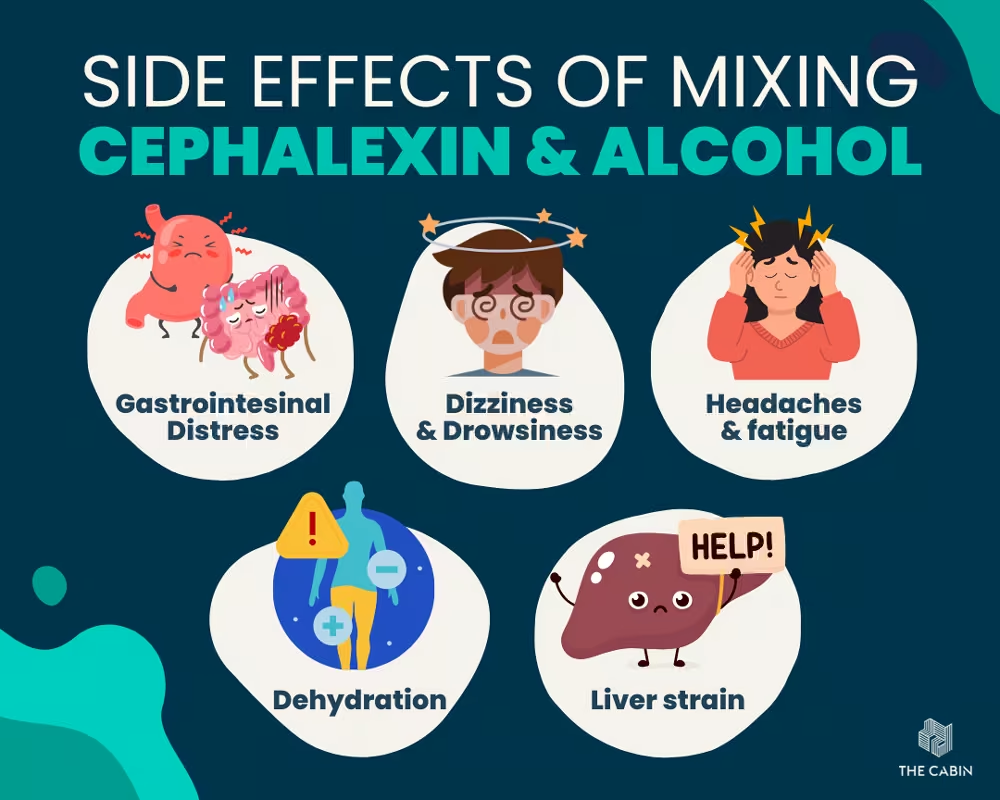
- Gastrointestinal distress: Mixing cephalexin and alcohol significantly increases the likelihood of nausea, vomiting, diarrhea, and stomach upset, according to the study titled “Alcohol Consumption and Antibiotic Interactions: Effects on Gastrointestinal Symptoms” by Ren and Wang (February 2014), which demonstrated that alcohol metabolism produces acetaldehyde and oxidative stress, irritating the gastrointestinal tract and amplifying the discomfort caused by the antibiotic. These combined effects slow digestion and make it harder for the body to tolerate the medication.
- Dizziness and drowsiness: Alcohol enhances the effects of cephalexin on the central nervous system, impairing balance, coordination, and alertness. Individuals may experience increased lightheadedness and reduced focus, which could affect daily activities such as driving or operating machinery.
- Headaches and fatigue: The combination of cephalexin and alcohol intensifies headaches and overall tiredness. The body requires more energy to process both substances, which prolongs recovery and can increase susceptibility to fatigue-related accidents or mistakes.
- Dehydration: Alcohol acts as a diuretic, causing the body to lose fluids faster than usual. Combined with cephalexin, this fluid loss reduces hydration necessary for optimal immune function and slows the recovery process from bacterial infections.
- Liver strain: The liver metabolizes alcohol while processing other bodily functions, and cephalexin requires additional elimination via the kidneys. The combined workload places stress on the liver, especially when higher doses of cephalexin are administered. This can increase the likelihood of stronger side effects and prolonged recovery times.
How does Alcohol Worsen the Side Effects of Cephalexin?
Alcohol worsens the side effects of cephalexin by increasing nausea, dizziness, and stomach irritation. The stomach lining becomes more sensitive, amplifying gastrointestinal discomfort caused by the antibiotic. Dehydration occurs, which intensifies symptoms such as weakness and lightheadedness during treatment. The liver processes both substances, increasing its workload and raising the risk of liver-related complications. Combined, cephalexin and alcohol slow the body’s ability to recover from infection. For example, alcohol-induced dehydration can reduce the effectiveness and absorption of cephalexin, according to the study “Cephalosporin-Induced Disulfiram-Like Reaction. A Retrospective Review of 78 Cases” by Shiyan Ren and Yuxia Cao, March-April 2014. Alcohol intensifies the adverse effects experienced during cephalosporin treatment, including cephalexin.
How does Alcohol Affect Doxycycline Compared to Cephalexin?
Alcohol affects doxycycline and cephalexin in different ways due to their distinct properties and metabolic pathways. Cephalexin, a cephalosporin antibiotic used for urinary tract, skin, and respiratory infections, experiences minimal interaction with alcohol, which does not reduce its antibacterial activity. Alcohol use during cephalexin treatment worsens side effects such as nausea, dizziness, and stomach upset. However, these symptoms do not impact the drug’s effectiveness. Doxycycline, a tetracycline antibiotic prescribed for Lyme disease, acne, and respiratory infections, is more sensitive to alcohol, which impairs absorption, reduces efficacy, and increases the risk of gastrointestinal discomfort and liver strain. Alcohol influences cephalexin by affecting tolerance, whereas it directly affects doxycycline’s therapeutic performance.
Alcohol reduces the effectiveness of doxycycline because it slows down its absorption in the digestive tract. Long-term alcohol use exacerbates the side effects of doxycycline, including nausea and vertigo. Combining doxycycline with alcohol increases the risk of liver damage because the liver processes doxycycline more extensively than cephalexin. Heavy drinking during doxycycline treatment stresses the liver and slows recovery.
Dehydration from alcohol hinders healing and decreases the absorption of antibiotics. Taking doxycycline while consuming alcohol increases fatigue and slows recovery. Drinking alcohol with doxycycline raises the risk of side effects and reduces treatment effectiveness compared to cephalexin. These risks increase with long-term alcohol use, which weakens the immune response and liver function. Alcohol Affects Doxycycline Compared to Cephalexin highlights why drinking alcohol while taking doxycycline requires caution, especially for individuals with an alcohol addiction, emphasising the dangers of drinking alcohol on doxycycline.
Does Drinking Alcohol Change the Recommended Cephalexin Dosage for an Ear Infection?
No, drinking alcohol does not change the recommended cephalexin dosage for an ear infection. The usual dose is 250–500 mg every 6 hours, depending on the patient’s age and condition. Alcohol in moderation does not affect the antibiotic’s effectiveness, but treatment-related side effects such as nausea, upset stomach, and dizziness become more likely. A medical professional can assess the appropriateness of the dose in special situations.
Avoiding alcohol throughout treatment reduces discomfort and supports faster recovery. Alcohol intensifies side effects, and excessive or frequent drinking slows healing and worsens inadequate responses. Reducing alcohol use while adhering to the prescribed dose improves treatment outcomes. Moderate alcohol consumption may increase vertigo, but does not change infection clearance. The cephalexin for ear infection dosage remains consistent under these circumstances.
Does Alcohol Use Affect Cephalexin Treatment for a Kidney Infection?
Yes, alcohol use affects cephalexin treatment for a kidney infection. Serious medical diseases like kidney infections need to be fully and successfully treated. Antibiotics like cephalexin must be used promptly and consistently to achieve effective treatment, eradicate the infection, and avoid side effects like kidney damage or the disease spreading to other areas of the body.
Alcohol can put additional strain on the kidneys, which process alcohol and cephalexin, even though it may not directly interact with the drug. The body’s ability to eliminate the infection is slowed, and the extra strain impairs kidney function. Alcohol lowers immune system function and raises the risk of dehydration, all of which impede the healing process.
Avoiding alcohol during kidney infection treatment is essential for faster recovery. Staying alcohol-free supports the immune system, reduces kidney stress, and helps maintain proper hydration levels, which improve the effectiveness of cephalexin and promote healing.
Does Alcohol Affect Yeast Infection Medication during Cephalexin Treatment?
Yes, alcohol affects yeast infection medications during cephalexin treatment. Most yeast infection medications do not mix well with alcohol. Alcohol can interfere with how these medications work and increase the risk of adverse reactions, reducing their overall effectiveness.
Alcohol may weaken the immune response, delay healing, and worsen side effects during treatment. It also impairs the body’s ability to fight infection and slows the recovery process, making it harder for the medication to clear the infection.
Consuming alcohol with antifungal drugs such as fluconazole or metronidazole causes side effects like nausea, dizziness, flushing, and headaches. Alcohol can intensify cephalexin’s side effects, increasing the risk of lightheadedness and gastrointestinal discomfort. Alcohol and certain antifungal medications are processed by the liver, which increases organ strain and the risk of liver damage when combined.
Avoiding alcohol during treatment helps prevent complications and supports faster healing. Staying alcohol-free allows medications to work as intended and strengthens the body’s defence against infection. Patients are advised to follow medical guidance closely and consult healthcare providers before consuming alcohol during any antibiotic or antifungal treatment.
Is Cephalexin Safe for People with Alcohol or Drug Addiction?
No, Cephalexin is not entirely safe for people with alcohol or drug addiction. Long-term alcohol consumption impairs immunity and the body’s capacity to fight off infections. Combining alcohol with cephalexin increases the risk of toxicity, because it strains the liver. The body’s ability to metabolize medication is impacted by poor diet and dehydration, which are common side effects of drug addiction. For instance, severe adverse effects, like nausea and vertigo, may be more common in heavy drinkers. Patients with addiction often recover more slowly and treatment problems are more likely to occur. A physician must closely monitor individuals using cephalexin.
Begin Your Path to Recovery
For Healthcare Professionals Referring Clients
We collaborate with healthcare providers, including GPs, psychiatrists, psychologists, counsellors, and case managers, to ensure seamless referrals. If you wish to refer a client or patient, please connect with us via email, phone, or our online contact form; we’re here to help guide your clients on their path to recovery.
For Individuals Seeking Treatment
At the Cabin, treatment is more than addressing addiction or mental health challenges — it’s an opportunity to embark on a profound journey of self-care discovery and personal growth. Our holistic approach nurtures lasting change and a healthier, more fulfilled life.
For Loved Ones Seeking Support
The Cabin offers specialized care that tackles both addiction and related mental health concerns. We create a compassionate environment where loved ones can find the healing and support they need to rebuild their lives and move forward with confidence.