No, you can not drink alcohol with Paxlovid because it produces a high-risk interaction that affects drug metabolism, liver function, and antiviral performance. Drinking alcohol while taking Paxlovid is considered safe for most individuals, but it is not recommended. Paxlovid combines nirmatrelvir and ritonavir, with ritonavir acting as a strong inhibitor of Cytochrome P450 3A4 (CYP3A4) enzymes. Alcohol competes for the same metabolic pathways, which delays drug clearance and increases systemic exposure. The antiviral mechanism depends on maintaining stable drug levels to suppress viral replication, and alcohol introduces metabolic instability that weakens therapeutic consistency.
The total dose of Paxlovid, the individual’s liver health, pre-existing conditions (hepatitis or alcohol dependence), the volume and type of alcohol consumed, and the timing between medication and alcohol intake are the key factors that influence the severity of interaction. Strong spirits (whiskey or vodka) introduce greater metabolic strain than fermented beverages. Short intervals between Paxlovid and alcohol consumption increase the likelihood of side effects (nausea, dizziness, and fatigue). Clinical pharmacists and infectious disease specialists recommend abstaining from alcohol during and for several days after Paxlovid treatment to reduce hepatic burden and support immune coordination.
Can I drink wine after taking Paxlovid?
No, drinking wine after taking Paxlovid increases the risk of gastrointestinal irritation, liver strain, and reduced antiviral effectiveness. Wine contains ethanol and bioactive compounds that interact with ritonavir’s enzyme inhibition, which delays drug metabolism and elevates systemic exposure. This interaction may amplify adverse effects and reduce antiviral efficiency. The combination disrupts immune coordination and increases the likelihood of prolonged or recurrent symptoms. Recovery protocols that exclude alcohol during antiviral therapy emphasize protecting hepatic, neurological, and immune function. The saying, Drink Alcohol With a Cold, does not apply to antiviral treatment, as alcohol weakens the immune response and complicates recovery.
What Happens if you Drink Alcohol While Taking Paxlovid?
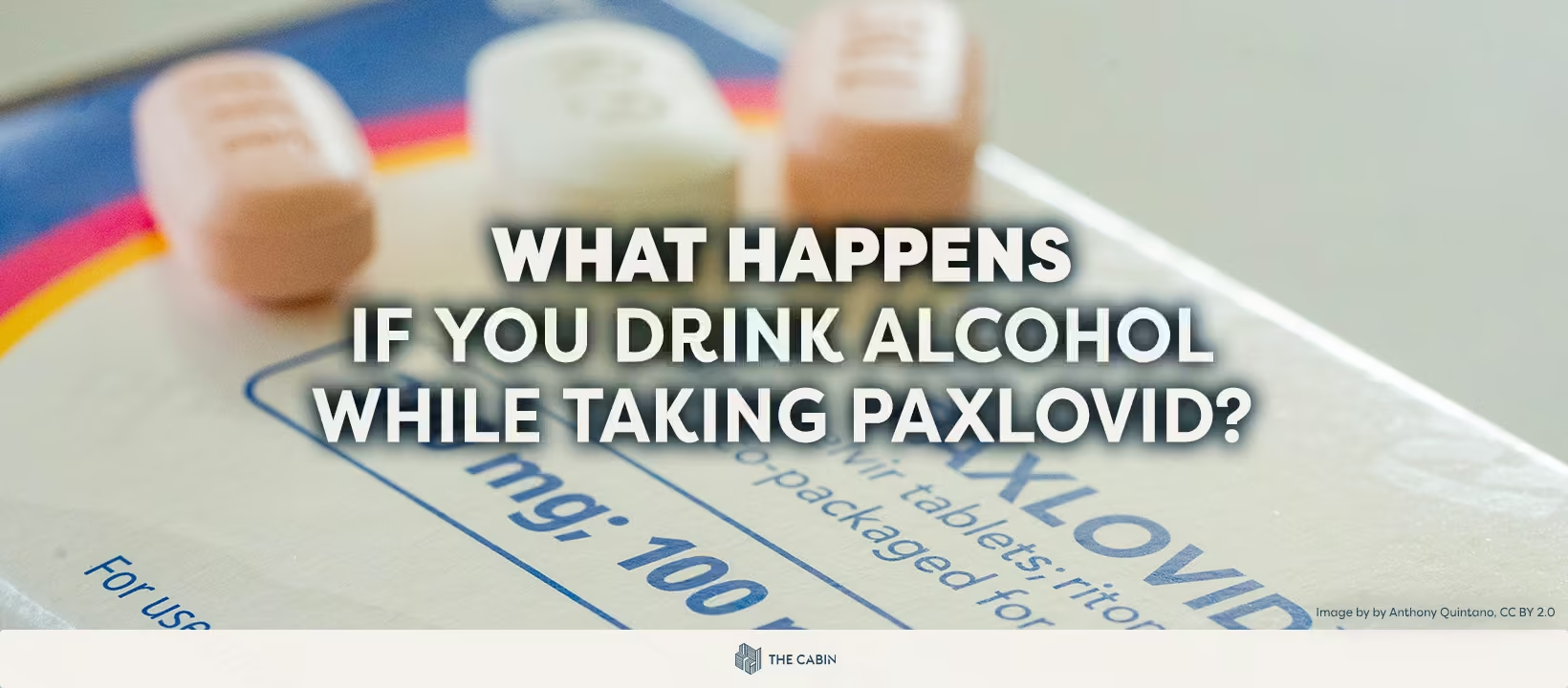
Increased risk of liver toxicity, delayed drug clearance, and weakened antiviral effectiveness may occur if you drink alcohol while taking this medication, Paxlovid. Taking Paxlovid with alcohol can strain the liver, which has to process both substances. Avoid alcohol to get the best results from the medication. Alcohol consumption while taking Paxlovid is discouraged because it can reduce the medication’s effectiveness, worsen its side effects, and increase strain on the liver.
Is it bad to drink alcohol on Paxlovid?
Yes, it is bad to drink alcohol on Paxlovid. Drinking alcohol on Paxlovid therapy may compromise antiviral effectiveness and increase the risk of side effects such as dizziness and gastrointestinal discomfort. Alcohol adds extra metabolic strain to the liver, which processes both ethanol and antiviral compounds. Avoiding alcohol ensures stable drug levels and supports full antiviral benefit. Avoid drinking alcohol throughout the medication course to receive the full therapeutic benefits of Paxlovid.
How does Alcohol Affect Paxlovid’s Effectiveness in the Body?
Alcohol affects Paxlovid’s effectiveness in the body by disrupting drug metabolism, delaying absorption, and increasing systemic toxicity. Alcohol reduces Paxlovid’s clinical effectiveness by interfering with hepatic metabolism and liver enzyme regulation, which are essential for predictable antiviral action. This mechanism is supported by the research titled “Recommendations for the Management of Drug–Drug Interactions Between the COVID-19 Antiviral Nirmatrelvir/Ritonavir (Paxlovid) and Comedications” by Catia Marzolini and Daniel R. Kuritzkes, dated May 14, 2022, which outlines how enzyme inhibition and competing substrates alter antiviral stability.
Alcohol competes for the same metabolic pathways, which slows drug clearance and elevates plasma concentrations. This enzymatic competition increases systemic exposure beyond therapeutic intent. The interference increases the risk of liver inflammation, enzyme elevation, and reduced antiviral performance. Alcohol alters gastric motility and impairs mucosal integrity, which delays Paxlovid absorption and reduces bioavailability. Ethanol disrupts the stomach lining and slows gastrointestinal transit time, which affects the consistency of drug uptake. Prolonged side effects, weakened immune coordination, and reduced therapeutic stability result from Paxlovid and alcohol interaction. Patients with pre-existing liver conditions or chronic alcohol use face greater vulnerability due to early recovery and reduced hepatic resilience.
Does Alcohol Interfere with Paxlovid’s Ability to Support COVID-19 Recovery?
Yes, alcohol interferes with Paxlovid’s ability to support COVID-19 recovery by disrupting metabolic clearance, increasing systemic toxicity, and weakening immune coordination. Alcohol competes for metabolic enzymes, delaying drug elimination and raising exposure to active compounds. It increases the risk of liver inflammation, gastrointestinal irritation, and neurological symptoms. Alcohol also induces oxidative stress and impairs cytokine signaling pathways, which weakens immune response efficiency. This immune disruption reduces the body’s ability to suppress viral replication and recover efficiently. Mixing alcohol with Paxlovid is strongly discouraged due to compounded risks, including reduced effectiveness, worsened side effects, and increased hepatic strain.
Does Alcohol Make Paxlovid Less Effective?
Yes, alcohol makes Paxlovid less effective by interfering with drug absorption, delaying metabolic clearance, and increasing hepatic workload. Paxlovid’s antiviral mechanism depends on maintaining stable drug levels to block viral replication. Alcohol disrupts this balance by competing for metabolic pathways and introducing systemic instability. The clinical outcome often includes reduced therapeutic consistency, prolonged symptom duration, and an increased risk of viral rebound after treatment completion.
How Much Alcohol can you Safely Drink While on Paxlovid?
You can safely drink more than one or two standard drinks in a short period on Paxlovid. No amount of alcohol is considered reliably safe while taking Paxlovid, because even small quantities can increase liver strain and interfere with drug metabolism. No specific safe amount of alcohol has been established for patients taking Paxlovid, and excessive drinking must be avoided. While some sources describe moderate intake as lower risk, it still introduces metabolic competition and variability. Drinking alcohol in excess increases the likelihood of side effects such as dizziness, nausea, and headaches. Limiting alcohol intake or abstaining altogether remains the most advisable approach during the full course of the medication.
Is it better to avoid alcohol when taking Paxlovid?
Yes, it is better to avoid alcohol while taking Paxlovid. Alcohol can interfere with the medication’s absorption, metabolism, and antiviral effectiveness, which may compromise treatment outcomes. Combining alcohol with Paxlovid may heighten side-effect risks, including dizziness and digestive discomfort. Avoiding alcohol supports stable drug concentrations, reduces liver stress, and improves the likelihood of complete viral suppression.
Does Alcohol Addiction Increase the Risks of Taking Paxlovid?
Yes, alcohol addiction increases the risks of taking Paxlovid. Alcohol addiction directly impairs liver function, which is essential for metabolizing both antiviral medications and ethanol safely. When the liver processes Paxlovid, pre-existing hepatic impairment alters how the body absorbs, distributes, and eliminates the medication. Alcohol addiction can reduce Paxlovid’s effectiveness by delaying metabolic clearance and disrupting recovery timelines. Chronic alcohol use may worsen side effects, including nausea and fatigue, making treatment harder to tolerate. The addiction to alcohol also weakens immune system coordination, complicating infection recovery and reducing the overall benefit of antiviral therapy. Avoiding alcohol use during treatment and addressing alcohol-related health concerns helps ensure Paxlovid works effectively while minimizing avoidable risks.
How do Different Types of Alcohol Interact with Paxlovid?
Different types of alcohol interact with Paxlovid through distinct metabolic mechanisms, and alcohol early recovery phase remains a critical intervention during antiviral therapy. Ethanol-based drinks, including beer, wine, and spirits, cause hepatic stress that disrupts ritonavir’s enzyme inhibition, altering drug levels and increasing toxicity risk. Strong liquors such as whiskey and rum impose higher ethanol loads, which intensify liver strain and reduce antiviral consistency. Fermented beverages contain additives and congeners that further complicate drug metabolism and increase gastrointestinal irritation.
Alcohol early recovery phase protocols reduce inflammation, stabilize liver enzyme activity, and support predictable antiviral absorption. Although different alcohol types impose varying metabolic burdens, all forms impair Paxlovid’s effectiveness. Chronic drinking increases the risk of liver overload, immune suppression, and cardiovascular stress during treatment. early recovery phase programs eliminate ethanol exposure and restore metabolic balance. Patients with alcohol dependence face elevated risks when combining Paxlovid with alcohol. Alcohol early recovery phase reduces withdrawal symptoms and prevents harmful drug interactions. The presence of alcohol in the bloodstream interferes with Paxlovid’s enzyme modulation, increasing side effects such as dizziness, fatigue, and nausea. Treatment protocols that emphasize alcohol early recovery phase improve consistency and reduce adverse liver and immune system effects.
Can you Drink Beer While Taking Paxlovid?
No, you cannot drink beer while taking Paxlovid, because it introduces metabolic risks that interfere with the antiviral’s intended function. Beer contains ethanol, which competes with ritonavir for liver enzyme processing, leading to altered drug levels and increased toxicity.
The presence of alcohol in the bloodstream disrupts the body’s ability to maintain stable liver function during antiviral therapy. Each serving of beer contributes to hepatic stress, which reduces viral clearance efficiency and increases the likelihood of side effects such as nausea, dizziness, and fatigue. The beer–Paxlovid interaction highlights alcohol-related treatment complications and underscores the importance of abstinence and structured support during recovery.
Can you Drink Wine or Spirits While on Paxlovid?
No, you cannot drink wine or spirits while on Paxlovid. Wine contains ethanol and fermentation byproducts that compete with ritonavir for liver enzyme processing, increasing the risk of altered drug concentrations and reduced antiviral efficacy. Spirits such as vodka, rum, and whiskey contain higher ethanol concentrations that significantly increase liver stress and raise the risk of side effects, including nausea, dizziness, and fatigue. Alcohol in the bloodstream interferes with ritonavir’s pharmacokinetics, raising toxicity risk and delaying recovery. The Paxlovid and beer interaction shows how alcohol disrupts enzymes and weakens immunity. This interaction explains why avoiding wine, spirits, and beer during Paxlovid therapy is essential. Avoiding alcohol prevents unnecessary organ stress and supports immune and antiviral effectiveness. Safer practices during treatment reduce complications and improve clinical outcomes.
What are the Side Effects of Mixing Alcohol and Paxlovid?

The side effects of mixing alcohol and Paxlovid are listed below:
- Increased Liver Toxicity: Ethanol competes with ritonavir for liver enzyme processing, which elevates hepatic stress and increases the risk of liver damage. This competition early recovery and increases hepatotoxic pressure. Individuals with pre-existing liver conditions face heightened vulnerability.
- Reduced Drug Efficacy: Alcohol interferes with ritonavir’s inhibition of Cytochrome P450 3A4 (CYP3A4) enzymes, which alters Paxlovid’s plasma concentration and reduces its antiviral potency. Disrupted enzyme inhibition leads to unstable drug levels. The interaction delays viral clearance and weakens immune response coordination.
- Gastrointestinal Distress: Mixing alcohol with Paxlovid increases the likelihood of nausea, vomiting, and abdominal discomfort. Ethanol irritates the gastrointestinal lining, which amplifies drug-related side effects and reduces treatment tolerability.
- Neurological Symptoms: Dizziness, fatigue, and confusion may occur when alcohol is present during Paxlovid treatment. Ethanol affects central nervous system signaling, which compounds medication-related neurological effects.
- Cardiovascular Strain: Alcohol increases heart rate variability and blood pressure instability, which disrupts the body’s ability to maintain stable circulation during antiviral therapy. This strain contributes to fatigue, weakness, and shortness of breath.
- Delayed Recovery: Ethanol impairs immune function and prolongs inflammatory response, which slows infection resolution. Recovery timelines extend when alcohol disrupts antiviral absorption and metabolism, according to research titled “Drug-Drug Interactions With Nirmatrelvir/Ritonavir (Paxlovid) and Select Cardiovascular Medications” by Nicole M. Bhave and Tyler J. Gluckman, dated June 24, 2022.
How does Alcohol Worsen Paxlovid’s Side Effects?
Alcohol worsens Paxlovid’s side effects by disrupting liver metabolism, increasing drug toxicity, and weakening immune defense. Ethanol competes with ritonavir for Cytochrome P450 3A4 (CYP3A4) enzyme processing, which alters Paxlovid’s concentration and intensifies adverse reactions. Each alcoholic exposure introduces hepatic stress that amplifies symptoms such as nausea, dizziness, and fatigue. Beer, wine, and spirits contain ethanol and additives that interfere with antiviral absorption and delay viral clearance. Neurological side effects, including confusion and lightheadedness, become more pronounced when ethanol interacts with central nervous system pathways affected by Paxlovid. Cardiovascular strain increases due to alcohol’s effects on heart rate and blood pressure regulation, which compounds fatigue and shortness of breath. Alcohol early recovery phase protocols reduce systemic inflammation and stabilize liver enzyme activity, supporting more consistent antiviral response and reducing drug–alcohol interaction risk.
Why do Side Effects Worsen When Drinking Alcohol During Paxlovid Treatment?
Side effects worsen when drinking alcohol during Paxlovid treatment because alcohol disrupts liver metabolism, increases systemic toxicity, and weakens immune response. Alcohol stresses hepatic function, impairing drug regulation and immune support during antiviral therapy. The combination of alcohol and Paxlovid introduces compounding pharmacological risks.
Alcohol acts as a central nervous system depressant, while Paxlovid may produce neurological side effects such as headache and fatigue. When combined, these effects intensify, resulting in greater discomfort and impaired cognitive clarity. Gastrointestinal symptoms, including vomiting and abdominal pain, increase due to compounded irritation of the stomach lining and liver. Individuals with pre-existing liver conditions face heightened vulnerability, as alcohol and ritonavir exert cumulative hepatotoxic pressure. Drug-related neurological syndromes and interaction patterns have been documented in research titled “Prescribed Drugs and Neurological Complications” by K. Grosset and D. Grosset, dated August 16, 2004.
Can you Drink Alcohol If You’re Also Taking Other Medications with Paxlovid?
No, you cannot drink alcohol if you’re taking other medications with Paxlovid because it increases the risk of adverse reactions through overlapping metabolic pathways and cumulative toxicity. Alcohol interferes with liver enzymes responsible for processing antiviral agents and additional medications, leading to elevated concentrations of active substances in the bloodstream.
The interaction increases the risk of side effects such as nausea, impaired coordination, and dizziness. Medications commonly prescribed alongside Paxlovid, including blood pressure regulators, antidepressants, and anticoagulants, rely on precise dosing and stable metabolism. Alcohol disrupts this balance, creating unpredictable pharmacological responses and increasing hepatic burden during treatment.
How Long should you Wait to Drink Alcohol After Finishing Paxlovid?
You should wait at least seven days to drink alcohol after finishing Paxlovid. This waiting period allows the body to fully clear antiviral compounds and normalize liver enzyme activity. The medication contains nirmatrelvir and ritonavir, which rely on hepatic enzymes for clearance. Alcohol competes for metabolic pathways, increasing the risk of elevated drug levels and delayed side-effect resolution. A seven-day interval allows the body to metabolize residual antivirals and restore baseline liver function. The liver must clear remaining ritonavir, which inhibits Cytochrome P450 3A4 (CYP3A4) and slows metabolic breakdown.
The body undergoes a coordinated antiviral response during Paxlovid intake that depends on stable drug levels and efficient immune signaling. The liver becomes the primary site of metabolic activity, processing the medication and other substances introduced during treatment. Introducing alcohol during or immediately after therapy increases the enzymatic burden and weakens post-infection recovery capacity.
What are the Long-Term Effects of Mixing Alcohol and Paxlovid?
The long-term effects of mixing alcohol and Paxlovid include increased risk of liver damage, cognitive instability, and reduced antiviral effectiveness due to metabolic interference and compounding physiological stress. Alcohol competes for hepatic enzymes, delaying drug clearance and increasing systemic exposure. This interference with liver function raises the risk of inflammation and enzyme elevation–related toxicity. Patients with pre-existing liver conditions face heightened vulnerability due to early recovery and tissue repair.
Alcohol and Paxlovid together disrupt nervous system regulation, contributing to dizziness, fatigue, and taste changes. When combined repeatedly, these effects may progress to cognitive fog, memory difficulties, and emotional instability. Prolonged imbalance may result in mood swings and persistent mental fatigue. Consistent antiviral exposure is essential for treatment success, but alcohol disrupts this stability, increasing the risk of viral rebound and prolonged illness. Incomplete viral control weakens immune recovery and increases complication risk. Avoiding alcohol for an extended period after therapy protects liver and neurological health and aligns with substance-free recovery protocols.
Avoiding alcohol during and after therapy protects liver and neurological health in substance-free environments protocols. Avoid alcohol for 48 to 72 hours after the last dose to let the body recover.
Does Mixing Alcohol and Paxlovid Increase the Risk of Drowsiness or Impaired Thinking?
Yes, mixing alcohol and Paxlovid increases the risk of drowsiness and impaired thinking. Ritonavir in Paxlovid blocks liver enzymes that metabolize substances, and alcohol competes for those same enzymes, raising drug levels and systemic exposure. This interaction heightens side effects such as drowsiness, confusion, and slowed reaction time. Consuming alcohol during antiviral treatment increases risks that impair cognitive performance and physical coordination. Drowsiness results from the combined sedative effects of alcohol and Paxlovid. Impaired thinking occurs when competing substances disrupt neurotransmitter balance. Stable neurological function supports immune and emotional recovery from viral infection, and alcohol undermines that stability by increasing hepatic and neural load.
Is the Risk of Liver or Kidney Damage Higher When Mixing Alcohol with Paxlovid?
Yes, the risk of liver or kidney damage is higher when mixing alcohol with Paxlovid due to overlapping metabolic stress and impaired toxin clearance. Alcohol competes for hepatic enzymes, delaying drug metabolism and causing hepatotoxic accumulation. This strain increases the risk of liver inflammation, enzyme elevation, and long-term hepatic damage. Kidney function may also decline when the body cannot efficiently eliminate drug metabolites and alcohol byproducts simultaneously. Patients with existing kidney impairment face higher systemic exposure, which may lead to fatigue, fluid imbalance, and early recovery.
Why is It Dangerous to Combine Alcohol and Paxlovid During COVID-19 Recovery?
Combining alcohol and Paxlovid during COVID-19 recovery is dangerous because both rely on shared metabolic pathways and create compounding physiological stress. Alcohol competes with ritonavir for Cytochrome P450 3A4 (CYP3A4) enzymes, delaying drug clearance and elevating systemic exposure. This interaction intensifies side effects such as dizziness, nausea, and fatigue while weakening immune regulation.
The liver serves as the central site for withdrawal management and immune signaling during recovery. Alcohol interferes by introducing oxidative stress and impairing cytokine regulation, which reduces the body’s ability to suppress viral replication and heal efficiently. Recovery models that emphasize substance-free environments recognize the danger of this interaction and promote abstinence to protect hepatic and neurological function. Alcohol’s interference with COVID-19 treatment outcomes is documented in the study “Covid-19 and alcohol—a dangerous cocktail” by I. Finlay and I. Gilmore, dated May 20, 2020.
Can Occasional Drinking Affect Paxlovid’s Effectiveness or Safety?
Yes, occasional drinking affects Paxlovid’s effectiveness and safety by interfering with drug metabolism and increasing the risk of adverse reactions. Even small amounts of alcohol can place added strain on metabolic pathways while the medication is active. Paxlovid contains ritonavir, which inhibits Cytochrome P450 3A4 (CYP3A4) enzymes responsible for processing different substances in the liver. Alcohol competes for the same enzymes, which delays drug clearance and elevates systemic exposure. This overlap slows the body’s ability to balance both substances efficiently. The interaction increases the likelihood of side effects, including nausea, dizziness, and liver strain. Over time, this added burden can destabilize treatment tolerance. Limited alcohol intake introduces metabolic stress that compromises the body’s ability to regulate antiviral compounds and maintain therapeutic stability.
What are the Symptoms of Alcohol and Paxlovid Interaction?
The symptoms of alcohol and Paxlovid interaction are listed below:
- Dizziness: Alcohol improves Paxlovid’s sedative effects, disrupting balance and coordination, increasing fall risk, and impairing physical stability. This effect is more noticeable in older adults and during acute illness.
- Nausea: The combination irritates the gastrointestinal lining and slows drug metabolism, causing prolonged discomfort and increased sensitivity to food movement. Appetite suppression may further worsen nausea.
- Fatigue: The substances depress the central nervous system, lowering energy and alertness, leading to persistent tiredness, reduced productivity, and decreased motivation.
- Confusion: Alcohol disrupts neurotransmitters, Paxlovid affects mental clarity, and together they impair decision-making and information processing. This can affect reaction time and judgment.
- Headache: Elevated drug levels from delayed clearance raise vascular tension. Alcohol worsens this effect by dehydrating tissues and disrupting blood flow.
- Abdominal Pain: Liver strain from metabolic competition causes inflammation and discomfort in the upper digestive tract. Alcohol worsens the sensation of hepatic burden.
- Impaired Judgment: Neurological disruption from combined substances impairs impulse control and emotional regulation, causing risky behavior and reduced awareness of consequences.
- Taste Disturbance: Paxlovid alters sensory perception, and alcohol affects oral mucosa and nerve signaling, causing a persistent metallic or bitter taste during recovery.
Is It Safer to Drink Alcohol with Paxlovid or with Other Antiviral Medications?
No, it is not safer to drink alcohol with Paxlovid or with other antiviral medications, but the risk is greater with Paxlovid due to ritonavir’s strong inhibition of Cytochrome P450 3A4 (CYP3A4) enzymes. This enzyme suppression affects how quickly both alcohol and medications are cleared from the body. The inhibition delays alcohol and drug metabolism, increasing exposure and intensifying side effects. Other antivirals, such as acyclovir or oseltamivir, have less metabolic interference, making their interaction with alcohol less severe. However, “less severe” does not mean risk-free. Alcohol consumption with antivirals causes physiological stress that disrupts immune function and hampers recovery outcomes. Paxlovid’s mechanism depends on precise drug levels to suppress viral replication. Alcohol disrupts this balance by competing for metabolism and stressing the liver, raising risks of liver inflammation, neurological issues, and reduced antiviral effectiveness.
Is it Safe to Drink Alcohol After Completing a Paxlovid Treatment Course?
No, it is not safe to drink alcohol immediately after completing a Paxlovid treatment course because it increases the risk of residual drug interactions and hepatic strain. Paxlovid contains ritonavir, a compound that inhibits Cytochrome P450 3A4 (CYP3A4) enzymes and slows the clearance of other substances. Alcohol competes for the same metabolic pathways, which prolongs exposure to active drug compounds and increases systemic toxicity. A structured waiting period allows the liver to recover from antiviral stress and restore normal enzyme activity. Introducing alcohol too soon after treatment increases the likelihood of nausea, dizziness, and liver inflammation.
How long after Paxlovid can I Drink Alcohol?
You can drink alcohol after waiting for at least seven days after completing Paxlovid. This minimum waiting period reflects the time needed for enzyme normalization. A seven-day interval allows the liver to restore enzyme activity and process residual drug compounds without interference. Recovery environments that promote abstinence from alcohol during and after antiviral therapy recognize the importance of protecting metabolic stability and minimizing neurological disruption. For example, a patient who completes a five-day Paxlovid course on a Friday must wait until the following Saturday before consuming alcohol. The ten-day window includes the treatment period and a seven-day clearance buffer, which supports safer outcomes and reduces the probability of post-treatment complications.
What are the Potential Long-Term Health Risks of Drinking Alcohol While on Paxlovid?
The potential long-term health risks of drinking alcohol while on Paxlovid are listed below:
- Gastrointestinal Discomfort: Alcohol irritates the stomach lining, and Paxlovid commonly causes nausea and abdominal pain. Combining them worsens digestive symptoms, similar to taking Ibuprofen and alcohol. This irritation can persist beyond the treatment window. Clear broths, bland foods, and non-alcoholic drinks help reduce gastrointestinal irritation during recovery.
- Liver Damage: Ritonavir in Paxlovid inhibits enzymes that metabolize alcohol, raising liver inflammation and increasing liver enzyme levels. This enzyme suppression prolongs hepatic exposure to both substances. Paxlovid poses a higher risk than other antivirals due to its direct hepatic effects. Avoid alcohol during treatment to support liver recovery and lower chronic hepatic stress risk.
- Cognitive Impairment: Alcohol and Paxlovid both impact neurotransmitter activity, increasing confusion, memory lapses, and mental fatigue. Together, they disrupt cognitive clarity more than alcohol alone. Choosing non-alcoholic drinks during treatment helps maintain mental stability and reduces the likelihood of neurological issues.
- Reduced Antiviral Effectiveness: Alcohol interferes with drug absorption and metabolism, weakening Paxlovid’s ability to suppress viral replication. The risk increases when alcohol is consumed during active treatment. Even intermittent drinking can destabilize therapeutic drug levels. Hydration with water or electrolyte drinks supports immune function and helps maintain therapy consistency.
- Kidney Stress: The body filters drug and alcohol byproducts through the kidneys, increasing renal workload. Long-term combined exposure raises nephrotoxicity risk compared to antiviral use without alcohol. Sustained filtration demand accelerates renal fatigue. Herbal teas and caffeine-free options provide safer hydration without adding metabolic pressure.
Who Should Avoid Drinking Alcohol While Taking Paxlovid?
Patients with liver disease, alcohol dependence, or compromised immune function should avoid drinking alcohol while taking Paxlovid. Alcohol competes for the same metabolic pathways, which delays drug clearance and increases systemic toxicity. Paxlovid combines nirmatrelvir and ritonavir, with ritonavir acting as a potent inhibitor of cytochrome P450 enzymes. This inhibition amplifies alcohol’s physiological impact. Regular use of Paxlovid alongside alcohol introduces cumulative hepatic stress, leading to elevated liver enzymes and early recovery. The liver becomes less efficient at processing both substances, which increases the risk of inflammation and cellular damage. Individuals with hepatitis, cirrhosis, or a history of alcohol-related liver injury face greater vulnerability due to reduced hepatic resilience.
Chronic exposure to alcohol during Paxlovid treatment increases the probability of developing long-term liver complications. Repeated enzyme inhibition and ethanol-induced oxidative stress contribute to fibrosis, which can progress toward cirrhosis and acute liver failure. The antiviral mechanism depends on stable drug levels to suppress viral replication, and alcohol disrupts that balance by introducing metabolic instability. This instability undermines treatment reliability. Chronic alcohol users develop increased sensitivity to Paxlovid due to depleted glutathione reserves and impaired hepatic clearance. This sensitivity increases the likelihood of adverse reactions, including nausea, confusion, and hepatocellular necrosis.
Additional clinical research is needed to clarify safe exposure thresholds and behavioral risk patterns. Patients reporting alcohol use were less likely to seek medical care after receiving nirmatrelvir plus ritonavir (NPR) treatment, according to a study titled “Risk Factors for Seeking Medical Care Following Nirmatrelvir-Ritonavir (Paxlovid) Treatment for COVID-19: Symptom Rebound” by Ashish Bhargava and Susan Szpunar, dated May 29, 2025. This finding suggests alcohol use may alter symptom perception or delay care-seeking behavior, which carries its own long-term health risks.
Is Mixing Alcohol with Paxlovid More Dangerous Than Mixing Alcohol with Antibiotics?
Yes, mixing alcohol with Paxlovid is more dangerous than mixing alcohol with antibiotics due to the presence of ritonavir, a compound that strongly inhibits Cytochrome P450 3A4 (CYP3A4) enzymes. This enzyme inhibition affects how quickly both alcohol and medications are cleared from the body. The inhibition delays alcohol and substance metabolism, increasing toxicity and side effects, including liver inflammation, dizziness, and gastrointestinal issues. The interactions between antibiotics and alcohol usually cause milder effects, such as nausea or decreased drug absorption, unless the antibiotic is known for severe reactions, such as metronidazole or tinidazole. In those specific cases, alcohol avoidance is also required. The combination of Paxlovid and alcohol places added stress on the liver and nervous system. Alcohol and ritonavir compete for metabolism, prolonging drug exposure and increasing the risk of liver damage. Antibiotic interactions vary, but few inhibit metabolic enzymes as strongly or broadly as ritonavir.
Does Alcohol Dependence Affect the Safety and Efficacy of Paxlovid?
Yes, alcohol dependence affects the safety and efficacy of Paxlovid. Patients with chronic alcohol use face higher risks of liver damage and immune dysfunction during antiviral treatment compared to individuals without alcohol dependence. Long-term alcohol exposure reduces hepatic reserve and metabolic flexibility. Paxlovid increases liver toxicity risk, lowers antiviral effectiveness, and worsens neurological side effects in these patients. Alcohol impairs drug regulation, weakening Paxlovid’s ability to suppress viral replication. Patients without liver damage experience fewer complications and more stable drug metabolism. The outcomes highlight alcohol’s cumulative impact on liver and brain systems. Paxlovid causes fewer side effects in metabolically healthy individuals, but alcohol-dependent patients face more severe symptoms due to early recovery. Medical attention is required for persistent abdominal pain, jaundice, confusion, or dark urine, as these symptoms indicate liver or neurological injury that can lead to long-term complications.
Can Drinking Alcohol Increase Paxlovid’s Side Effects on the Liver or Stomach?
Yes, drinking alcohol increases Paxlovid’s side effects on the liver and stomach by compounding metabolic stress and disrupting gastrointestinal stability. Paxlovid contains ritonavir, which inhibits Cytochrome P450 3A4 (CYP3A4) enzymes responsible for processing alcohol and other substances. Alcohol competes for the same enzymes, delaying drug clearance and elevating systemic exposure. Prolonged exposure increases organ sensitivity. This interaction raises the risk of liver inflammation, enzyme elevation, and hepatocellular strain. The stomach lining becomes more vulnerable to irritation when alcohol amplifies Paxlovid’s known side effects, including nausea, vomiting, and abdominal discomfort. Precaution requires avoiding alcohol during the five-day Paxlovid treatment course to reduce organ stress and prevent avoidable complications.
Is Mixing Alcohol with Paxlovid More Dangerous Than Mixing Alcohol with Other Medications?
Yes, mixing alcohol with Paxlovid is more dangerous than mixing alcohol with many other medications. Ritonavir-driven enzyme inhibition delays alcohol metabolism and increases systemic exposure to active drug compounds. This effect is stronger than with most commonly prescribed drugs. The result includes elevated risks of liver inflammation, gastrointestinal distress, and neurological disruption. Antibiotics and other common medications typically produce milder reactions when combined with alcohol, such as reduced absorption or temporary nausea. Paxlovid’s antiviral mechanism relies on precise drug concentrations to suppress viral replication, and alcohol interferes with that balance by introducing metabolic instability. Avoiding alcohol reduces unnecessary liver strain and improves antiviral effectiveness. Safer options include completing treatment without alcohol and monitoring for symptoms such as jaundice, persistent nausea, or unusual fatigue, which may indicate liver injury.
What do Health Experts and the CDC Say About Drinking Alcohol While Taking Paxlovid?
Health experts and the Centers for Disease Control and Prevention say to avoid drinking alcohol while taking Paxlovid. Paxlovid contains ritonavir, a compound that inhibits cytochrome P450 enzymes responsible for metabolizing alcohol and other substances. Clinical pharmacists emphasize compounded side effects as a primary concern, particularly dysgeusia, nausea, dizziness, and fatigue, with alcohol worsening each symptom during the acute phase of infection. Ethanol competes for the same metabolic pathways, delaying drug clearance and increasing systemic toxicity. This delay prolongs symptom burden and recovery time. The result includes elevated risks of liver inflammation, gastrointestinal discomfort, and neurological disruption. The liver plays a critical role in withdrawal management and immune coordination during antiviral treatment. Alcohol impairs this process by increasing oxidative stress and disrupting cytokine signaling, which reduces the body’s ability to suppress viral replication and recover efficiently.
Stop Mixing – Start Recovering At The Cabin Today!
If you are looking for addiction treatment, we are here to help you. We offer a peaceful environment and caring staff, along with activities like nature excursions and art therapy. Contact us today for a free evaluation. We will respond within 24 hours to start your healing process.