Drinking alcohol while taking methylprednisolone is generally not recommended, as it can increase unnecessary health risks. The combination of methylprednisolone and alcohol creates harmful interactions that place stress on the stomach, liver, and cardiovascular system. Corticosteroids irritate the digestive tract, and alcohol intensifies this irritation, increasing the risk of indigestion, acid reflux, stomach bleeding, and ulcer formation. This risk is especially high for people with a history of gastrointestinal issues. Timing also matters, as the body needs time to clear corticosteroids after treatment. Alcohol consumption may remain risky for several days after completing a methylprednisolone course, depending on dose and duration.
Alcohol worsens steroid side effects by amplifying mood swings, disrupting sleep cycles, and raising blood sugar levels. Fluid retention caused by methylprednisolone can combine with alcohol’s effects on circulation, producing elevated blood pressure and increased cardiovascular strain. Interactions extend beyond alcohol alone, as corticosteroids may also interact with substances such as caffeine and nicotine, further increasing stress on organ function and emotional regulation.
Medical guidance remains essential during steroid therapy. Avoiding alcohol helps ensure treatment effectiveness and reduces preventable complications of addiction to alcohol. Balanced nutrition, proper hydration, and adequate rest provide safer support for recovery without introducing additional toxic interactions.
What Happens If You Drink Alcohol While Taking Methylprednisolone?
Drinking alcohol while taking methylprednisolone can trigger both short-term and long-term reactions that strain multiple body systems. Short-term reactions include stomach irritation, nausea, dizziness, headaches, and heartburn, which occur because alcohol irritates the digestive tract while corticosteroids reduce the stomach’s protective lining. Sleep disruption and mood swings often become more severe, as alcohol compounds the emotional and neurological effects of steroid therapy.
Long-term reactions involve increased risk of ulcers, liver strain, elevated blood pressure, and immune suppression. Alcohol places an additional burden on the liver, which is responsible for metabolizing methylprednisolone. When both substances are processed at the same time, drug levels in the bloodstream can become unstable, leading to unpredictable side effects and reduced therapeutic benefit.
Blood sugar fluctuations become more pronounced, blood pressure may rise, and immune suppression can intensify, leaving the body more vulnerable to infections and delayed healing. The interaction between alcohol and methylprednisolone shows that digestive health, liver function, cardiovascular stability, and immune balance are all compromised when both substances are present. Avoiding alcohol during steroid therapy is one of the most effective ways to support safer recovery and reduce unnecessary complications.
Why Should You Avoid Alcohol When Taking Methylprednisolone?
The reason you should avoid alcohol when taking methylprednisolone is that alcohol interacts with corticosteroids in ways that intensify harmful effects. Together, these substances place cumulative stress on multiple organ systems. Corticosteroids already strain the stomach lining, liver, and cardiovascular system, and alcohol compounds this stress by acting as a toxic irritant.
The interaction increases irritation in the digestive tract, raising the risk of indigestion, acid reflux, stomach bleeding, and ulcer formation. Alcohol also alters liver metabolism, disrupting how methylprednisolone is broken down and cleared from the body. This disruption creates unstable drug levels in the bloodstream, which increases side effects and reduces treatment predictability.
Combining alcohol with methylprednisolone worsens side effects such as blood sugar fluctuations, impaired energy levels, and reduced concentration. Steroid-induced fluid retention combined with alcohol’s effects on circulation raises blood pressure and places additional strain on the heart. Mood changes caused by corticosteroids may intensify with alcohol, leading to emotional instability that interferes with daily functioning. Avoiding alcohol during steroid therapy helps protect the stomach, liver, and cardiovascular system while supporting safer recovery. Balanced nutrition, hydration, and rest provide safer alternatives without introducing the risks associated with alcohol as an abused substance.
How Does Alcohol Affect Methylprednisolone’s Effectiveness?
Alcohol affects methylprednisolone’s effectiveness by interfering with liver metabolism and altering drug stability in the body. Methylprednisolone reduces inflammation through immune suppression, and alcohol disrupts this process by placing additional strain on the liver. When the liver metabolizes both substances, simultaneous processing leads to inconsistent drug breakdown. Altered metabolism causes fluctuating steroid levels in the bloodstream, reducing therapeutic reliability and increasing the likelihood of side effects such as indigestion, mood swings, and insomnia. Alcohol also increases gastrointestinal irritation and blood sugar fluctuations, which counteract the intended benefits of steroid therapy.
Patient-specific factors further influence risk. Higher steroid doses remain active longer, and alcohol use during this period intensifies adverse effects. Frequent alcohol consumption creates chronic liver stress, reducing the body’s ability to process steroids efficiently. Pre-existing conditions such as diabetes, hypertension, or liver disease significantly amplify these risks. Avoiding alcohol allows methylprednisolone to work consistently and predictably without unnecessary metabolic interference.
What Are the Side Effects of Mixing Alcohol and Methylprednisolone?
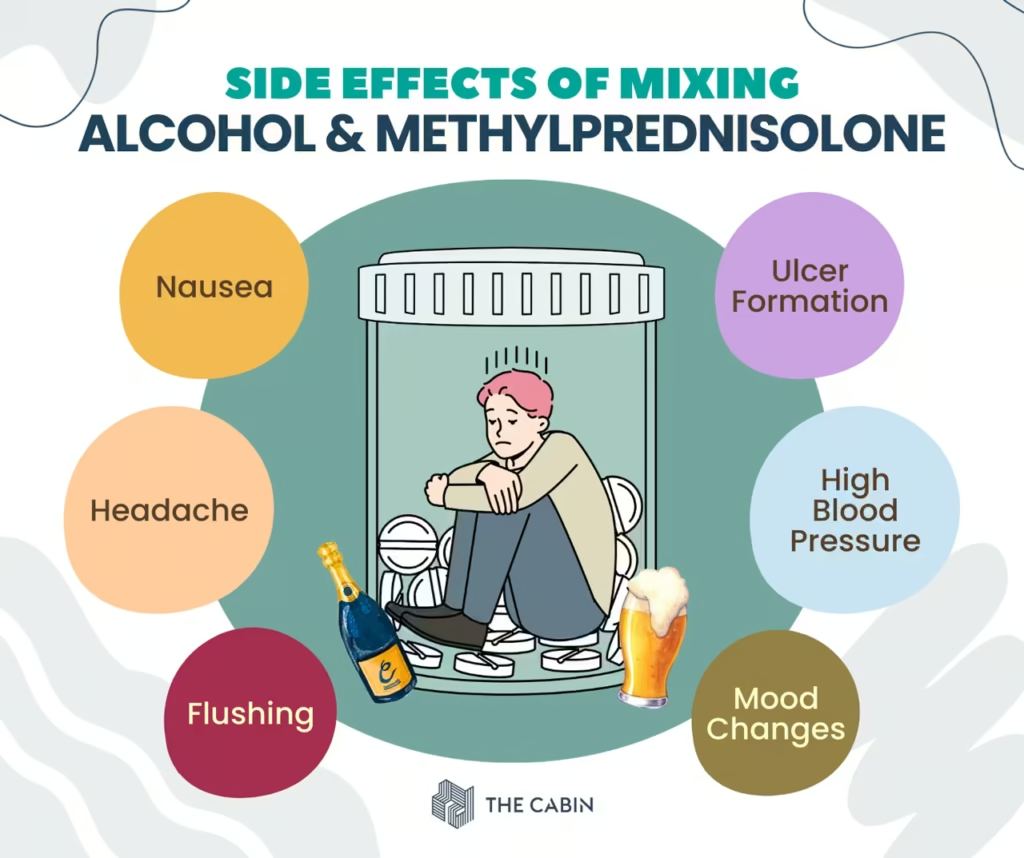
The side effects of mixing alcohol and Methylprednisolone are listed below:
- Nausea: Alcohol irritates the stomach lining, and methylprednisolone increases gastric sensitivity. Together, they produce stronger nausea and digestive discomfort.
- Flushing: Alcohol dilates blood vessels, and steroids affect circulation. The combination causes sudden facial redness and warmth that feels more intense.
- Headache: Alcohol promotes dehydration, while steroids alter fluid balance. This interaction increases headache frequency and severity.
- Ulcer Formation: Steroids weaken stomach protection, and alcohol erodes the lining further. The combined effect raises the risk of ulcers and gastrointestinal bleeding.
- High Blood Pressure: Alcohol raises blood pressure, and steroids cause fluid retention. Together, they significantly increase cardiovascular strain.
- Mood Changes: Steroids influence emotional regulation, and alcohol disrupts brain chemistry. The interaction intensifies mood swings, irritability, and anxiety.
Can Alcohol and Methylprednisolone Damage the Liver or Stomach?
Yes, alcohol and methylprednisolone can damage both the liver and the stomach, especially when used together. Methylprednisolone reduces inflammation but irritates the stomach lining, and alcohol further increases irritation, raising the risk of gastritis, indigestion, and acid reflux. Chronic exposure weakens stomach defenses, increasing the likelihood of ulcers and gastrointestinal bleeding.
Alcohol also stresses the liver, which must metabolize both substances. When combined, the liver becomes overburdened, slowing withdrawal management and increasing inflammation. Excess alcohol consumption can lead to liver scarring, and steroid use may worsen this damage by altering immune and metabolic responses. Even small amounts of alcohol can pose risks during methylprednisolone therapy. Medical guidance generally recommends complete avoidance of alcohol during treatment. Safer alternatives such as water, herbal teas, and nutrient-rich foods support digestion and recovery without harming the liver or stomach.
How Long After Taking Methylprednisolone Can You Drink Alcohol?
You can drink alcohol after taking methylprednisolone for at least 2 days (48 hours).] Most people are advised to wait at least 48 hours after finishing methylprednisolone before drinking alcohol, but this timeframe can vary. A waiting period of several days is often necessary to allow the body to clear the steroid from the system. The exact duration depends on treatment length and dosage strength, since higher doses and longer courses remain active in the body for a longer period. Steroids influence digestion, sleep, mood, and blood sugar regulation, and alcohol intensifies each of these effects when present together. Allowing time for the medication to clear reduces the risk of stomach irritation, insomnia, mood swings, and unstable energy levels.
Medical guidance provides the most reliable confirmation of when alcohol intake becomes safer after treatment, because recovery time differs based on dosage schedules and individual health factors. A short course of methylprednisolone may clear within about three days, while extended therapy often requires a longer recovery window. Tapering prescriptions continues to affect the body after the final dose, patience is essential to avoid complications. Safe practice involves waiting until digestion, sleep, and emotional balance have returned to stable levels before resuming alcohol use.
Can You Drink Alcohol While on a Medrol Dose Pack
Drinking alcohol while on a Medrol Dose Pack is not recommended due to increased health risks. Medrol is a brand name for methylprednisolone, a corticosteroid prescribed to reduce inflammation and manage immune-related conditions. The medication is tapered over several days to prevent withdrawal effects. Alcohol intake during this tapering period increases the risk of stomach irritation, indigestion, and acid reflux because both substances stress the digestive system.
Alcohol also disrupts sleep regulation, and when combined with methylprednisolone, insomnia often becomes more pronounced. Mood swings linked to steroid use can intensify with alcohol, leading to greater emotional instability. Blood sugar fluctuations caused by methylprednisolone may worsen with alcohol consumption, resulting in unstable energy levels and difficulty concentrating. Avoiding alcohol during the entire tapering period helps prevent these complications and supports safer recovery.
Alcohol is generally safer only after the medication has fully cleared, and timing should be confirmed with a healthcare provider. Hydration with water, herbal teas, or diluted fruit drinks supports recovery without irritating the stomach. Balanced meals with lean proteins, vegetables, and whole grains help stabilize digestion and blood sugar while side effects resolve.
Can You Drink Beer, Wine, or Spirits While Taking Methylprednisolone?
Beer, wine, and spirits are not considered safe while taking methylprednisolone. The primary concern is ethanol, which is present in all alcoholic beverages regardless of type. Ethanol irritates the stomach lining, and when combined with methylprednisolone, the risk of indigestion, acid reflux, and stomach bleeding increases. Ethanol also disrupts sleep cycles, and together with steroid therapy, the likelihood of insomnia becomes greater. Mood regulation is affected as well, and pairing alcohol with methylprednisolone can intensify mood swings and emotional instability.
Beer, wine, and spirits differ in concentration and use, but the health risks relate to ethanol rather than beverage category. Beer contains a lower alcohol concentration, but may still irritate digestion when consumed repeatedly. Wine has moderate ethanol levels and can worsen stomach discomfort and emotional sensitivity. Spirits contain higher concentrations of ethanol, increasing the likelihood of severe side effects. For these reasons, complete avoidance of alcohol during methylprednisolone therapy remains the safest recommendation.
Hydration with water, herbal teas, or fruit-based drinks offers comfort without irritation. Maintaining a consistent sleep routine, eating balanced meals, and practicing relaxation techniques can reduce side effects and support recovery while the medication clears.
Can You Drink Alcohol While Taking Methylprednisolone 4 mg?
Drinking alcohol while taking methylprednisolone 4 mg is not recommended, even at this lower dose. Methylprednisolone affects the stomach, blood sugar, sleep, and mood, and alcohol amplifies these effects even when the steroid dose is considered low. Steroids increase stomach sensitivity, and alcohol worsens irritation, raising the likelihood of indigestion, acid reflux, and abdominal discomfort. Dose strength does not eliminate interaction risk, because alcohol affects the same body systems targeted by corticosteroids.
Methylprednisolone can disrupt sleep and emotional regulation, and alcohol further intensifies insomnia, irritability, and mood swings, placing additional strain on mental health. Alcohol and steroids also increase blood sugar levels, contributing to unstable energy and difficulty concentrating. Medical guidance consistently recommends avoiding alcohol during steroid therapy, regardless of dosage. Safer alternatives include water for hydration, herbal teas for relaxation, and fruit-based drinks or smoothies to maintain energy without irritating the stomach. Avoiding alcohol supports a smoother recovery and reduces preventable side effects.
Does Alcohol Make Methylprednisolone Side Effects Worse?
Yes, alcohol makes methylprednisolone side effects worse. Alcohol increases irritation of the stomach lining, intensifying indigestion and discomfort already associated with steroid use. Alcohol also disrupts sleep cycles, and when combined with methylprednisolone, the risk of insomnia becomes more pronounced. This combination often leads to poor sleep quality and prolonged fatigue.
Alcohol alters brain chemistry, and together with corticosteroids, mood swings, anxiety, and irritability become stronger and harder to manage. Alcohol also raises blood sugar levels, while methylprednisolone contributes to the same effect, creating a greater imbalance that affects energy, focus, and metabolic stability. Avoiding alcohol is the most effective way to prevent these side effects from worsening during treatment.
Supportive habits such as staying hydrated with water, eating balanced meals with lean proteins, vegetables, and whole grains, and maintaining a consistent sleep routine help reduce discomfort. Relaxation practices like deep breathing or gentle stretching can further support mood stability and recovery.
What Should You Avoid While Taking Methylprednisolone (Besides Alcohol)?
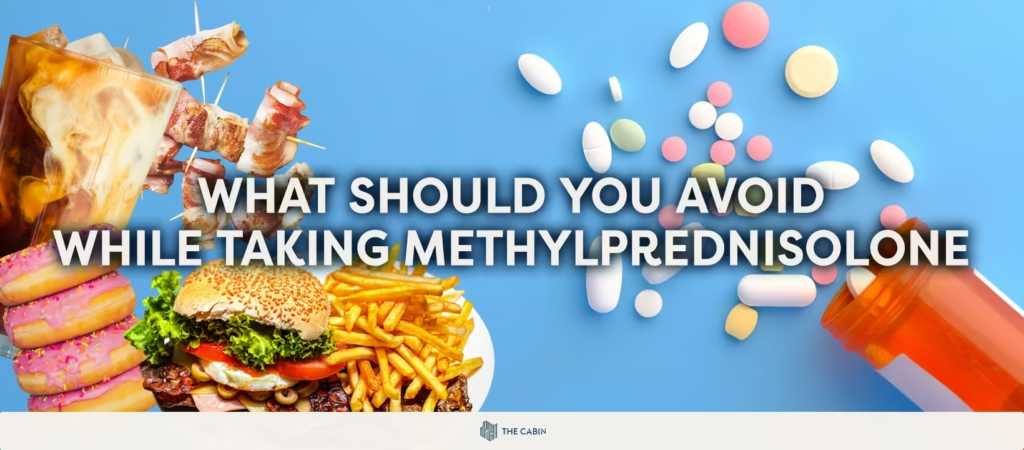
Things to avoid while taking methylprednisolone, besides alcohol, include the following:
- Nonsteroidal anti-inflammatory drugs (NSAIDs): NSAIDs increase the risk of stomach irritation, ulcers, and gastrointestinal bleeding when combined with corticosteroids. This combination places excessive strain on the digestive tract and significantly raises complication risk.
- Caffeine from coffee, tea, or energy drinks: Caffeine stimulates the nervous system and raises blood pressure, which intensifies side effects linked to methylprednisolone. Sleep disturbances such as restlessness or insomnia become more severe when caffeine intake overlaps with steroid therapy.
- High-salt foods (processed meats, canned soups, and salty snacks): Excess sodium contributes to fluid retention and elevated blood pressure. Corticosteroids already increase swelling risk, making high-salt intake particularly harmful during treatment.
- Sugary foods and drinks (sodas, desserts, and sweets): Corticosteroids raise blood glucose levels, and excess sugar intake worsens the risk of hyperglycemia. This effect is especially concerning for people with diabetes or insulin resistance.
- Fried and fatty foods (fast food, deep-fried items, and heavy sauces): High-fat meals slow digestion and raise cholesterol levels. Steroid therapy already affects metabolism, and excess fat intake intensifies weight gain and cardiovascular strain.
- Unpasteurized dairy products (raw milk and soft cheeses): Contaminated foods increase infection risk, which is more dangerous during corticosteroid therapy. Because methylprednisolone suppresses the immune response, strict food safety is essential for recovery.
Avoiding these substances helps reduce side effects, protect organ function, and allow methylprednisolone to work more effectively throughout treatment.
Can You Take Pain Relievers Like Tylenol or Ibuprofen With Methylprednisolone?
Some pain relievers may be used with methylprednisolone, but safety depends on the type of medication and individual health factors. Acetaminophen (Tylenol) is generally considered safer because it does not irritate the stomach and has fewer direct interactions with corticosteroids. It is often preferred for mild pain or fever during steroid therapy when approved by a doctor. In contrast, nonsteroidal anti-inflammatory drugs (NSAIDs) such as ibuprofen, naproxen, or aspirin significantly increase the risk of stomach irritation, ulcers, and gastrointestinal bleeding when combined with methylprednisolone.
The difference lies in how these medications work. Acetaminophen relieves pain and fever without strong anti-inflammatory action, while NSAIDs reduce inflammation, but place added stress on the stomach lining and cardiovascular system. When paired with steroids, this stress becomes cumulative and more dangerous.
Doctor consultation is necessary before combining methylprednisolone with any pain reliever, as factors such as dosage strength, treatment duration, liver health, and gastrointestinal history influence safety. Professional guidance ensures appropriate monitoring and reduces the risk of complications. Safe recovery depends on choosing pain relief options that align with corticosteroid therapy and overall health status.
How Does Methylprednisolone Interact With Other Medications or Substances?
Methylprednisolone interacts with other medications and substances in ways that can increase health risks and alter treatment outcomes. Caffeine intake during corticosteroid therapy raises blood pressure and worsens sleep disturbances, placing additional strain on the cardiovascular system. This interaction often leads to restlessness, anxiety, and poor sleep quality.
Marijuana compounds also interact with steroid therapy. Delta-9-tetrahydrocannabinol (THC) can intensify drowsiness and mood changes, while cannabidiol (CBD) affects liver enzymes responsible for drug metabolism. These enzyme changes can alter methylprednisolone levels in the bloodstream, increasing side effects or reducing effectiveness.
Certain antibiotics combined with corticosteroids increase gastrointestinal irritation, and when alcohol is added, the toxicity risk rises further. There are cases of experiencing some side effects when taking antibiotics and alcohol. These overlapping interactions contribute to unpredictable symptoms such as dizziness, confusion, elevated blood pressure, and delayed recovery. Full disclosure of all medications, supplements, and substances to a healthcare provider is essential to ensure proper dose adjustments and safe monitoring during treatment.
Is It Safe to Drink Coffee or Caffeinated Drinks on Methylprednisolone?
Caffeinated drinks should be limited or avoided while taking methylprednisolone due to increased side effect risk. Methylprednisolone affects metabolism, blood pressure, and mood regulation, and caffeine intensifies these effects. Caffeine stimulates the nervous system, raising blood pressure and increasing cardiovascular strain. Sleep disturbances such as insomnia, restlessness, or racing thoughts become more pronounced when caffeine overlaps with corticosteroid stimulation.
Moderation is important during steroid therapy because excessive caffeine intake worsens anxiety, irritability, digestive discomfort, and sleep disruption. Reducing caffeine helps the body better tolerate steroid-related stimulation and supports emotional stability.
Safer alternatives for maintaining energy include adequate hydration with water, nutrient-dense snacks such as fruit or nuts, and light physical activity. These options support steady energy levels without the added risks linked to caffeine. Managing stimulant intake alongside methylprednisolone therapy promotes smoother recovery and greater overall treatment stability.
How Long After Stopping Methylprednisolone Can I Drink Alcohol Safely?
Most people are advised to wait at least 48 hours after stopping methylprednisolone before drinking alcohol, although longer waiting periods are often safer. The body needs time to clear the steroid and recover from its systemic effects. Methylprednisolone is metabolized by the liver, and alcohol places additional strain on the same organ, increasing the risk of gastrointestinal irritation, ulcers, and liver stress. Clearance time varies based on dosage strength and treatment duration, with tapering schedules, extending recovery because the drug remains active in gradually decreasing amounts even after the final dose.
For short courses of methylprednisolone, a safer window for alcohol intake is typically 48 to 72 hours after the last dose, allowing the liver to process residual medication. Longer courses or higher doses may require abstinence for a week or more, as tapering prolongs exposure and delays full clearance. People with pre-existing liver conditions or a history of heavy alcohol use may need even longer recovery periods. Medical guidance remains essential, since individual factors such as liver health, gastrointestinal history, and concurrent medications determine when alcohol intake becomes safer.
When Should You Seek Medical Help After Mixing Alcohol and Methylprednisolone?
You should seek medical help after mixing alcohol and methylprednisolone if serious warning signs appear. Chest pain may indicate cardiovascular strain and requires immediate evaluation. Persistent vomiting signals significant gastrointestinal irritation and fluid loss, increasing the risk of dehydration and electrolyte imbalance. Confusion or unusual mental changes suggest neurological involvement and possible toxic interaction.
Vision problems such as blurred vision, light sensitivity, or sudden visual changes may indicate nervous system disruption or pressure changes in the body. Each of these symptoms represents a medical concern that should not be ignored. Prompt medical attention allows for proper monitoring, stabilization, and prevention of more severe complications.
Is It Safe to Drink on Steroids Like Methylprednisolone?
Drinking alcohol while taking steroids such as methylprednisolone is generally not considered safe. Corticosteroids reduce inflammation and regulate immune activity, but alcohol worsens gastrointestinal irritation, raises blood pressure, and weakens immune response. Both substances rely on liver metabolism, increasing the risk of ulcers, mood disturbances, blood sugar instability, and organ strain. The combined effects can delay healing and reduce treatment effectiveness.
Alcohol-related risk varies by steroid type, potency, and duration of action. Methylprednisolone has moderate potency and is often tapered, while dexamethasone is more potent and longer-acting, increasing alcohol-related stress. Prednisone carries similar risks, with severity depending on dose and treatment length. General medical guidance recommends avoiding alcohol during corticosteroid therapy and for a short period afterward. Abstaining helps protect the digestive system, liver, cardiovascular health, and immune balance during recovery.
Can You Drink Alcohol on a Steroid Dose Pack?
Alcohol should be avoided while taking a steroid dose pack. A steroid dose pack refers to a short course of methylprednisolone arranged in a tapering schedule to reduce inflammation while preventing withdrawal effects. The taper allows the body to adjust gradually to decreasing steroid levels. Alcohol interferes with this process by irritating the stomach lining, raising blood pressure, and weakening immune function.
Alcohol consumption during a dose pack reduces taper effectiveness by adding stress to the liver and gastrointestinal tract, which are already processing corticosteroids. The interaction increases the likelihood of ulcers, fluid retention, mood changes, and prolonged discomfort. Most clinicians recommend complete abstinence from alcohol throughout the entire dose pack and for several days after the final dose.
Waiting 48 to 72 hours after completion allows the steroid to clear more fully and lowers complication risk. Because individual health factors—such as liver function, dosage strength, and treatment duration—vary, professional medical guidance remains the most reliable way to determine when alcohol intake becomes safer.
Does Methylprednisolone Interact With Weed?
Yes, methylprednisolone can interact with weed, because cannabis compounds influence how steroids are metabolized in the liver. Cannabinoids such as THC and CBD affect liver enzyme activity, which can change how methylprednisolone is processed and alter drug concentration in the bloodstream. This interaction increases the risk of unpredictable side effects and reduces the stability of treatment outcomes.
Cannabis use during corticosteroid therapy may increase side effects such as drowsiness, blood pressure fluctuations, and mood changes. Drowsiness can interfere with alertness and daily functioning, while blood pressure changes place added strain on the cardiovascular system. Anxiety, irritability, or heightened emotional sensitivity may also become more pronounced when cannabis compounds combine with steroid-related mood effects. Doctor consultation remains essential before combining methylprednisolone with weed, as professional guidance allows for safe monitoring, dosage adjustments, and risk reduction based on individual health factors.
What Foods Should You Avoid While Taking Methylprednisolone?
The foods you should avoid while taking methylprednisolone include the following:
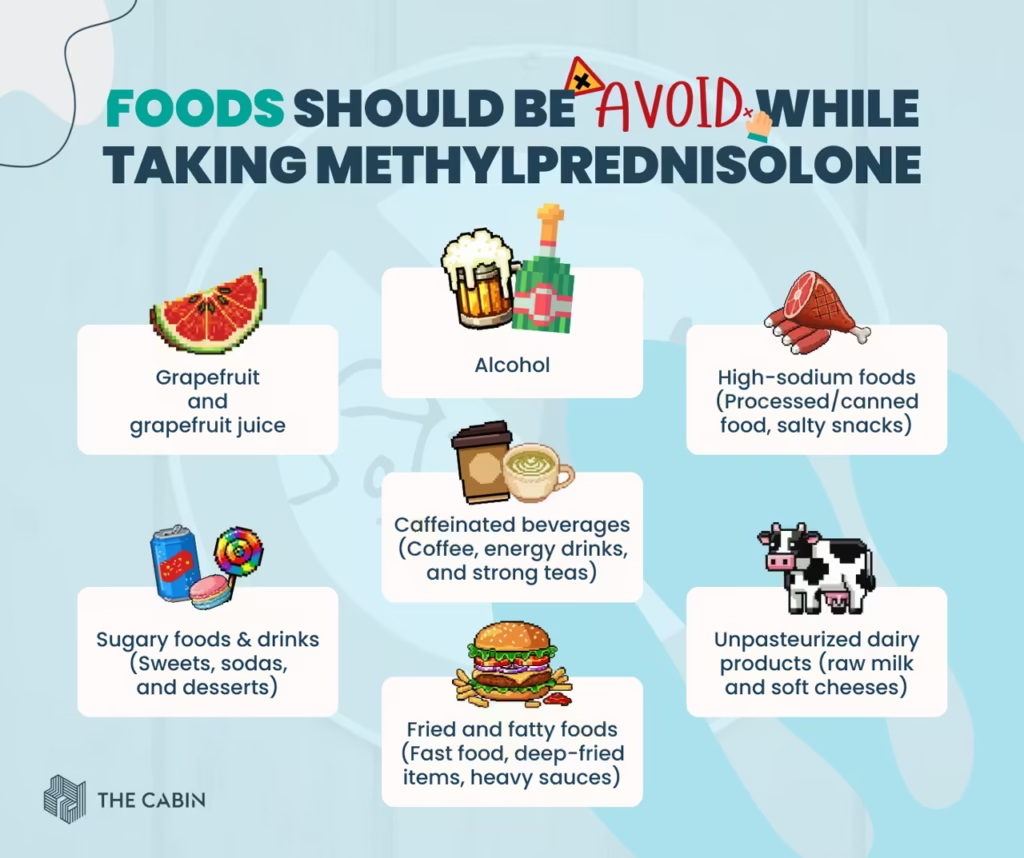
- Grapefruit and grapefruit juice: Compounds in grapefruit interfere with liver enzymes that metabolize methylprednisolone. This interaction can increase steroid levels in the bloodstream, raising the risk of side effects such as headaches and dizziness.
- High-sodium foods: Processed meats, canned soups, and salty snacks contribute to fluid retention and elevated blood pressure. Methylprednisolone already increases swelling risk, making excess sodium particularly harmful.
- Sugary foods and drinks: Sweets, sodas, and desserts raise blood glucose levels. Corticosteroids increase hyperglycemia risk, and added sugar intake worsens blood sugar instability.
- Alcohol: Alcohol irritates the stomach lining and increases ulcer risk. When combined with methylprednisolone, the chance of gastrointestinal bleeding and liver strain rises significantly.
- Fried and fatty foods: Fast food, deep-fried items, and heavy sauces slow digestion and increase cholesterol levels. Steroid therapy already affects metabolism, and excess fat intake intensifies weight gain and cardiovascular stress.
- Caffeinated beverages: Coffee, energy drinks, and strong teas stimulate the nervous system. Caffeine worsens restlessness, anxiety, and insomnia commonly associated with corticosteroids.
- Unpasteurized dairy products: Raw milk and soft cheeses increase infection risk. Methylprednisolone suppresses the immune response, food safety becomes especially important during treatment.
Avoiding these foods helps reduce side effects, protect organ function, and allow methylprednisolone to work more effectively.
Can You Drink Alcohol With Medrol (Methylprednisolone Brand)?
Alcohol should be avoided while taking Medrol, the brand-name form of methylprednisolone. Medrol contains the same active ingredient as generic methylprednisolone, meaning alcohol interactions are identical. Alcohol intake during corticosteroid therapy intensifies gastrointestinal irritation, raises the risk of stomach ulcers, and weakens the immune response. The liver also experiences added strain when alcohol and methylprednisolone are processed simultaneously, increasing the potential for long-term damage.
Dosage strength and treatment duration influence severity, with higher doses or longer courses creating greater stress on the body. Individual factors such as liver health, gastrointestinal history, and other medications further affect risk. Abstaining from alcohol during Medrol therapy supports safer recovery, while professional medical guidance ensures appropriate monitoring and dosage management.
How Is Methylprednisolone Different From Tylenol With Alcohol?
Methylprednisolone differs from Tylenol with alcohol, because each combination creates harm through different mechanisms. Methylprednisolone is a corticosteroid prescribed to reduce inflammation in conditions such as asthma, arthritis, and autoimmune disorders. Alcohol use during steroid therapy primarily increases gastrointestinal irritation, weakens the immune response, and raises the risk of stomach ulcers. Long-term steroid use combined with alcohol may also contribute to bone density loss and metabolic strain.
Tylenol (acetaminophen) presents a different danger when combined with alcohol. Acetaminophen is metabolized in the liver, and alcohol increases the production of toxic byproducts such as NAPQI, which directly damage liver cells. Even moderate “Tylenol Alcohol” can significantly raise the risk of liver injury or failure. The comparison highlights a key distinction: methylprednisolone interacts with alcohol mainly through gastrointestinal, immune, and metabolic stress, while acetaminophen combined with alcohol causes direct liver toxicity. Both combinations are unsafe, but the mechanisms of damage differ, reinforcing the importance of avoiding alcohol during treatment with either medication.
Stop Mixing – Start Recovering At The Cabin Today!
If you are looking for addiction treatment, we are here to help you. We offer a peaceful environment and caring staff, along with activities like nature excursions and art therapy. Contact us today for a free evaluation. We will respond within 24 hours to start your healing process.
Begin Your Path to Recovery
For Healthcare Professionals Referring Clients
We collaborate with healthcare providers, including GPs, psychiatrists, psychologists, counsellors, and case managers, to ensure seamless referrals. If you wish to refer a client or patient, please connect with us via email, phone, or our online contact form; we’re here to help guide your clients on their path to recovery.
For Individuals Seeking Treatment
At the Cabin, treatment is more than addressing addiction or mental health challenges — it’s an opportunity to embark on a profound journey of self-care discovery and personal growth. Our holistic approach nurtures lasting change and a healthier, more fulfilled life.
For Loved Ones Seeking Support
The Cabin offers specialized care that tackles both addiction and related mental health concerns. We create a compassionate environment where loved ones can find the healing and support they need to rebuild their lives and move forward with confidence.