Zyrtec and alcohol together create measurable health risks for the human body. Alcohol impairs central nervous system functions because it alters neurotransmitter activity and slows neural signaling. Cetirizine blocks histamine receptors to reduce allergy symptoms and limit immune overreaction. Combining these substances increases sedation levels to a potentially dangerous degree. Daily users face higher risks of prolonged impairment that can last throughout the day. The liver processes both chemicals at the same time, because simultaneous metabolism slows overall clearance. Recovery from allergic reactions becomes slower under the influence of ethanol. Nausea and dizziness occur more frequently during concurrent use of both substances. Alcohol intake interferes with mental alertness and physical coordination, increasing accident risk. Sticking to a safe schedule helps prevent injuries in the home or workplace. High-risk consumers should avoid all ethanol consumption during their treatment period. Safety often requires total abstinence throughout the medication course. If a known Zyrtec and alcohol interaction exists, it should not be ignored.
Can you drink alcohol while taking Zyrtec (cetirizine)?
No, you cannot drink alcohol while taking Zyrtec (cetirizine), according to medical guidance. Drinking alcohol while taking Zyrtec is considered unsafe by medical professionals due to compounded nervous system effects. Alcohol acts as a central nervous system depressant because it slows brain activity and reaction speed. Cetirizine crosses the blood-brain barrier in small amounts, despite being classified as a second-generation antihistamine. Elderly patients face increased risks of physical falls, confusion, and delayed response times. Daily users maintain consistent levels of the drug in the bloodstream throughout the day. Single doses remain active for up to twenty-four hours after ingestion. Sedation levels rise noticeably with even one drink of beer or wine.
Respiratory depression remains a potential concern for sensitive individuals and those with underlying conditions. Coordination drops sharply after combining these substances, increasing injury risk. Healthcare professionals recommend avoiding ethanol entirely during the treatment period. Consumers seeking relief often compare how to drink alcohol with Benadryl.
Is it safe to mix Zyrtec and alcohol?
No, it is not safe to mix Zyrtec and alcohol due to the elevated risk of accidents, impaired judgment, and pronounced drowsiness. Severe sleepiness commonly develops during the pharmacological interaction between Zyrtec and alcohol, increasing the likelihood of falls or delayed reaction time. Blood pressure fluctuations may occur after the combined consumption of ethanol and antihistamines, which can place additional strain on the cardiovascular system. Second-generation antihistamines offer more safety than first-generation options. Cetirizine still carries a documented warning related to central nervous system impairment, even though it is classified as a newer antihistamine. Dizziness presents a major risk for consumers operating heavy vehicles or machinery. Cognitive function declines more rapidly under the combined influence of the medication and alcohol, affecting attention, memory, and coordination. People with underlying health issues experience worse outcomes during the interaction. Monitoring symptoms remains necessary for consumers prone to alcohol addiction, as repeated exposure can intensify adverse neurological effects.
How does alcohol affect Zyrtec or cetirizine?
Alcohol affects Zyrtec (cetirizine) by amplifying the sedative properties already present within the antihistamine, which increases overall nervous system suppression. Cetirizine targets H1 receptors to alleviate allergy symptoms. Alcohol enhances depressant effects on the brain, rather than counteracting the medication’s therapeutic action. Drowsiness increases dramatically compared to taking the medication alone. Alertness levels drop significantly for the user. Coordination becomes difficult for the consumer. Allergy symptom relief remains largely unchanged by the presence of ethanol. Redness or itching may intensify due to alcohol-induced vasodilation, even while allergy control appears stable. Mental clarity suffers during the interaction. Reaction times slow down substantially. The liver works harder to metabolize Zyrtec and alcohol simultaneously, which can increase physical fatigue. Patients report feeling a heavy sense of lethargy. Combining the substances leads to profound impairment. Extreme exhaustion limits daily activities, including work tasks and driving responsibilities. Safety requires avoiding Zyrtec and alcohol together.
Does drinking alcohol reduce Zyrtec’s effectiveness?
Zyrtec interacts with alcohol to cause potentially dangerous physiological reactions in users, particularly when both substances affect the central nervous system simultaneously. Severe central nervous system depression can occur in sensitive individuals, leading to slowed reflexes and reduced alertness. Hypotension occurs as a rare and serious side effect, especially in people with pre-existing cardiovascular sensitivity. Heart rate fluctuations may cause noticeable physical discomfort, including palpitations or lightheadedness. Fainting spells increase the risk of physical injury, particularly during standing or movement. Extreme lethargy interferes with normal breathing patterns at high doses, creating a medical safety concern. Mixing various medications increases the overall danger level for the patient, as compounded interactions strain neurological and metabolic systems. Users with chronic conditions face higher fatality risks due to reduced physiological resilience. Combining antihistamines with ethanol leads to significant impairment.
Can you drink on Zyrtec without feeling more drowsy?
No, you cannot drink on Zyrtec without feeling more drowsy, as alcohol consistently intensifies the medication’s sedative effects. Avoiding increased drowsiness while drinking on Zyrtec remains nearly impossible for most users, even at low alcohol intake levels. Dosage size impacts the level of sleepiness experienced. Users’ sensitivity varies across the population. Non-drowsy formulations of cetirizine still cause sedation in roughly ten percent of users, which becomes more noticeable with alcohol exposure. Alcohol guarantees an increase in the effect. Staying awake becomes a challenge for the consumer, particularly during routine activities that require focus. Timing the drink two to three hours after the pill fails to eliminate the risk, as overlapping metabolic effects persist. Metabolism speeds differ among patients. Sedation levels remain a primary concern for everyone, regardless of tolerance or prior experience with alcohol.
What are the side effects of combining Zyrtec and alcohol?
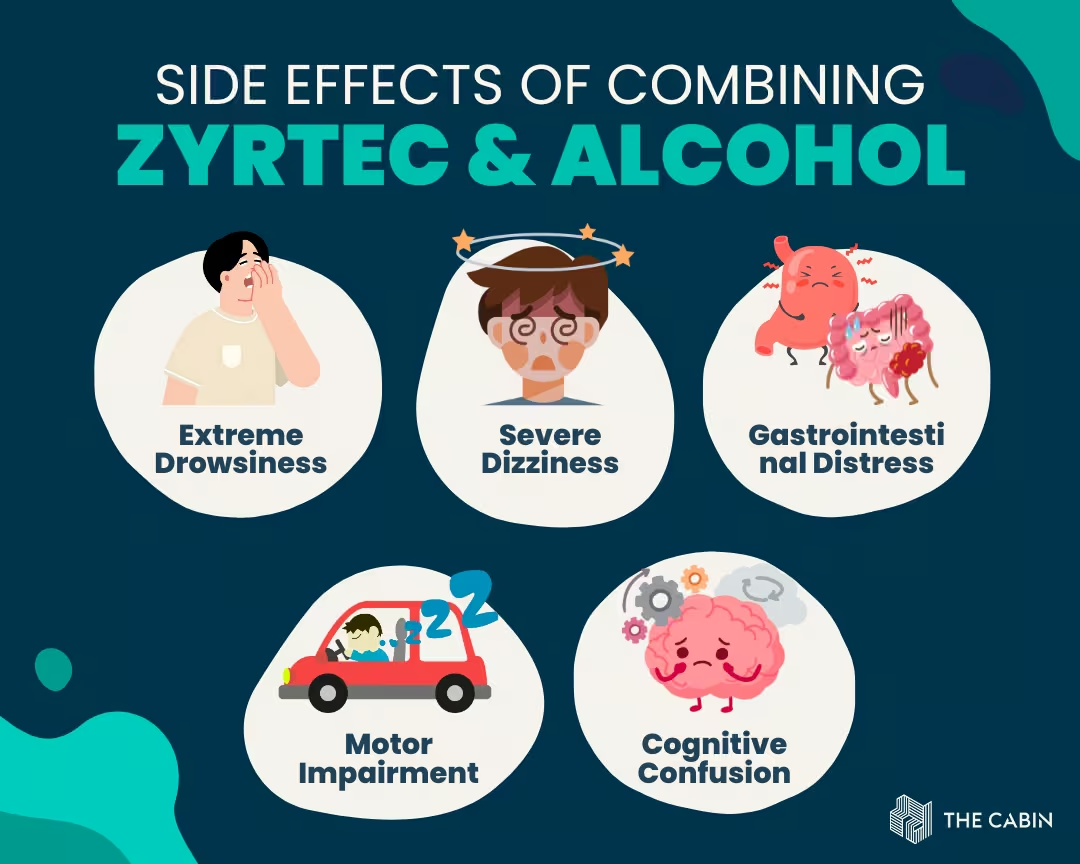
Side effects of combining Zyrtec and alcohol are listed below.
- Cognitive Confusion: Thinking clearly becomes difficult under the combined influence, affecting judgment and focus. Memory recall suffers under the influence.
- Extreme Drowsiness: Sleepiness levels become overwhelming for the consumer, making sustained alertness difficult. Staying awake requires significant effort.
- Severe Dizziness: Balance issues occur more frequently than with either substance alone. Moving around becomes hazardous for consumers.
- Gastrointestinal Distress: Nausea and stomach pain may manifest after combined consumption, particularly in sensitive individuals. Digestion slows down significantly.
- Motor Impairment: Reaction times for driving decrease sharply, increasing accident risk. Coordination fails during simple daily tasks.
Can alcohol increase Zyrtec-related drowsiness or dizziness?
Alcohol is not safe to consume with Zyrtec, as it increases Zyrtec-related drowsiness and dizziness by acting as a potent catalyst on the central nervous system. Zyrtec and alcohol work synergistically on the human brain. Precautionary advice remains essential for high-risk groups, as combined exposure amplifies neurological suppression. Senior citizens face a higher probability of losing their balance. Mixing the chemicals can lead to a state of semi-consciousness, especially at higher doses. Vertigo symptoms appear suddenly. The intensity of sedation depends on the amount of ethanol consumed, along with individual tolerance levels. Total impairment is the most common result of the combination.
Safety protocols involve avoiding any intoxicating beverages while taking cetirizine-based medications. Healthcare providers warn against the mixture.
Can you take Zyrtec after drinking alcohol?
No, you cannot safely take Zyrtec immediately after drinking alcohol, as the interaction risk remains present even after alcohol consumption ends. Taking cetirizine shortly after drinking alcohol is unsafe for the human body, due to overlapping sedative and metabolic effects. Waiting periods of approximately eight hours allow the liver to process most ethanol, reducing, but not eliminating, the full interaction risk. Alcohol metabolism must finish before introducing the antihistamine. Residual alcohol in the bloodstream can still react with the drug, increasing drowsiness and neurological suppression. The onset of the medication’s effects may occur faster on an empty stomach, which intensifies side effects after drinking. Risks remain similar to those experienced by a consumer who drinks alcohol with Buspirone, as both combinations affect the central nervous system.
How long after taking Zyrtec can you safely drink alcohol?
You can safely drink alcohol after waiting at least twenty-four hours, allowing medication levels to decline meaningfully. The half-life of cetirizine ranges between eight and nine hours. Complete elimination from the body can take up to two full days, depending on individual metabolism. Standard formulations maintain a steady state in the bloodstream with daily use. Peak concentrations occur within one hour of ingestion. Residual medication continues to block histamine receptors for an extended duration, which sustains sedative potential. Drinking alcohol too early can lead to unexpected levels of intoxication, even with small amounts. Pharmacokinetics suggest that liver clearance speeds vary by age. Kidney function plays a role in removing the drug. Total abstinence ensures the highest level of safety, especially for sensitive individuals. Staying hydrated supports the body’s ability to flush out chemicals, though it does not eliminate the risk. Individual reactions remain unpredictable. The risk of sedation remains present until the drug is fully cleared from the body, making timing critical.
Can you drink alcohol after taking Zyrtec-D?
No, you cannot safely drink alcohol after taking Zyrtec-D, as the combination significantly increases health risks. Drinking alcohol after taking Zyrtec-D is dangerous due to the presence of pseudoephedrine, a stimulant with strong systemic effects. Pseudoephedrine acts as a powerful decongestant that stimulates the heart. Alcohol further stresses the cardiovascular system, compounding strain on heart function. Heart rate can increase to dangerous levels, especially in individuals sensitive to stimulants. Mixing a stimulant and a depressant creates a masking effect on the brain, which disrupts accurate self-assessment. Consumers fail to realize their level of impairment. Comparisons show the risks closely resemble those faced by consumers who drink alcohol with Sudafed, as both combinations involve stimulant-related cardiovascular stress.
Can you drink beer, wine, or liquor with Zyrtec?
No, you cannot drink beer, wine, or liquor with Zyrtec, as all forms of alcohol interact negatively with cetirizine. Every type of alcoholic beverage interacts negatively with cetirizine. Beer contains ethanol that contributes to heavy sedation, increasing fatigue, and slowed reaction time. Wine leads to similar levels of mental fog, affecting concentration and decision-making. Liquor provides a concentrated dose of alcohol that accelerates impairment, raising safety concerns even with small servings. Moderation does not eliminate the risk of an adverse reaction. Risk factors include age and overall health status, which influence how the body processes both substances. Every glass of alcohol increases the chance of falling, particularly in low-light or unfamiliar environments. Avoiding all ethanol types remains the best policy. Health remains the top priority for patients, especially those managing allergies with daily medication.
Can you mix antihistamines like Zyrtec with alcohol?
No, you cannot safely mix antihistamines like Zyrtec with alcohol, as the combination suppresses normal central nervous system function. Mixing any antihistamines with alcohol leads to central nervous system depression. Zyrtec causes less sedation than older drugs such as diphenhydramine, but it still produces noticeable drowsiness when alcohol is present. Allegra remains the least sedating option on the market, though alcohol warnings still apply. Every antihistamine still carries a warning about alcohol consumption. Sedative effects vary based on the generation of the drug. Safety levels drop as soon as ethanol enters the system, regardless of the specific antihistamine used. Combining the substances often leads to a total lack of focus, impairing decision-making and coordination. Healthcare providers advise against all such mixtures. Sobriety remains the only safe choice.
Does alcohol affect cetirizine’s side effects or potency?
Alcohol affects cetirizine’s side effects, while the medication’s core potency remains unchanged. Potency in blocking allergies remains relatively stable. Side effects such as dry mouth or blurred vision become much worse when alcohol is introduced. Lethargy can reach extreme levels, limiting normal physical and mental function. Allergic reactions may appear more persistent due to ethanol-induced inflammation, even though histamine blockade continues. The drug’s strength does not increase. Only the negative reactions intensify, particularly those related to the nervous system. Patients report feeling sicker after mixing alcohol and cetirizine, including increased fatigue and mental fog. Avoiding drinks prevents unwanted complications.
What happens if you accidentally mix Zyrtec and alcohol?
The things listed below happen if you accidentally mix Zyrtec and alcohol.
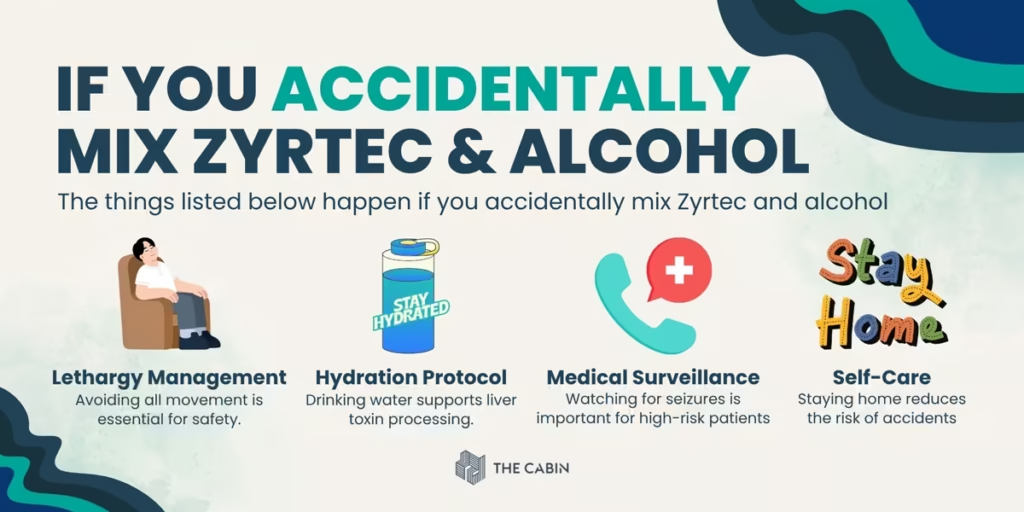
- Lethargy Management: Resting in a safe, stationary position helps prevent physical falls, as balance and alertness decline rapidly. Avoiding all movement is essential for safety.
- Hydration Protocol: Drinking plenty of water supports the liver while processing toxins, though hydration does not neutralize the interaction. Flushed systems may recover faster from chemical stress, especially when alcohol intake is limited.
- Medical Surveillance: Seeking medical help becomes necessary if breathing difficulties occur, as respiratory suppression can escalate. Watching for seizures is important for high-risk patients.
- Self-Care: Staying home reduces the risk of vehicle-related accidents, as reaction time and judgment remain impaired. Resting allows the body to recover from the interaction.
Is it dangerous to drink alcohol while taking allergy medicine like Zyrtec?
Yes, it is dangerous to drink alcohol while taking allergy medications like Zyrtec, as the combination increases neurological and physical safety risks. Risk levels rise further for consumers with chronic illnesses, particularly those affecting the liver or nervous system. Serious complications such as extreme respiratory depression can occur in rare cases, especially with higher alcohol intake. Populations at high risk include elderly individuals and consumers with liver disease, due to slower drug and alcohol clearance. Accidents remain the most common danger. Falling can lead to fractures or head injuries when balance and coordination are impaired. Impaired judgment increases the likelihood of risky behavior, including driving or operating machinery. Safety requires avoiding alcohol throughout the entire treatment period to minimize preventable harm.
Can Zyrtec make alcohol’s effects feel stronger?
Yes, Zyrtec can make alcohol’s effects feel much stronger, as both substances act on the central nervous system at the same time. Potentiation of sedation occurs, since alcohol and Zyrtec both suppress brain activity. Impairment happens faster than usual for the consumer, reducing the margin for safe judgment. Practical safety measures include staying seated and avoiding complex tasks, as coordination and focus decline quickly. One drink can feel like several drinks during the interaction, even when alcohol intake is limited. Reaction times can nearly disappear, increasing accident risk. Loss of consciousness occurs more easily, particularly in sensitive individuals. Total sobriety remains the optimal way to stay safe.
Can you take allergy meds after drinking alcohol?
No, you cannot safely take allergy medications immediately after drinking alcohol, as interaction risks remain while ethanol is still active in the body. Safe timing requires waiting for complete alcohol clearance from the bloodstream, which varies based on dose and metabolism. Interactions with alcohol lead to unpredictable sedation levels. Regular users may face different risks than occasional users, due to steady medication levels in the bloodstream. Peak effects of the medication can occur while ethanol is still active, increasing drowsiness and confusion. Confusion tends to increase during nighttime hours, when both substances overlap during rest periods. Healthcare providers commonly suggest waiting until the following day before taking a dose to reduce adverse reactions. Sobriety ensures the medication works without side effects.
Safeguard your health and comfort by prioritizing an alcohol-free treatment path.
If alcohol is affecting your physical health or recovery, it may be time to assess your habits. At The Cabin Chiang Mai, we help individuals regain control and find healthier ways to support both body and mind. Prioritise your health and contact us today to start your journey towards a life free from alcohol misuse.