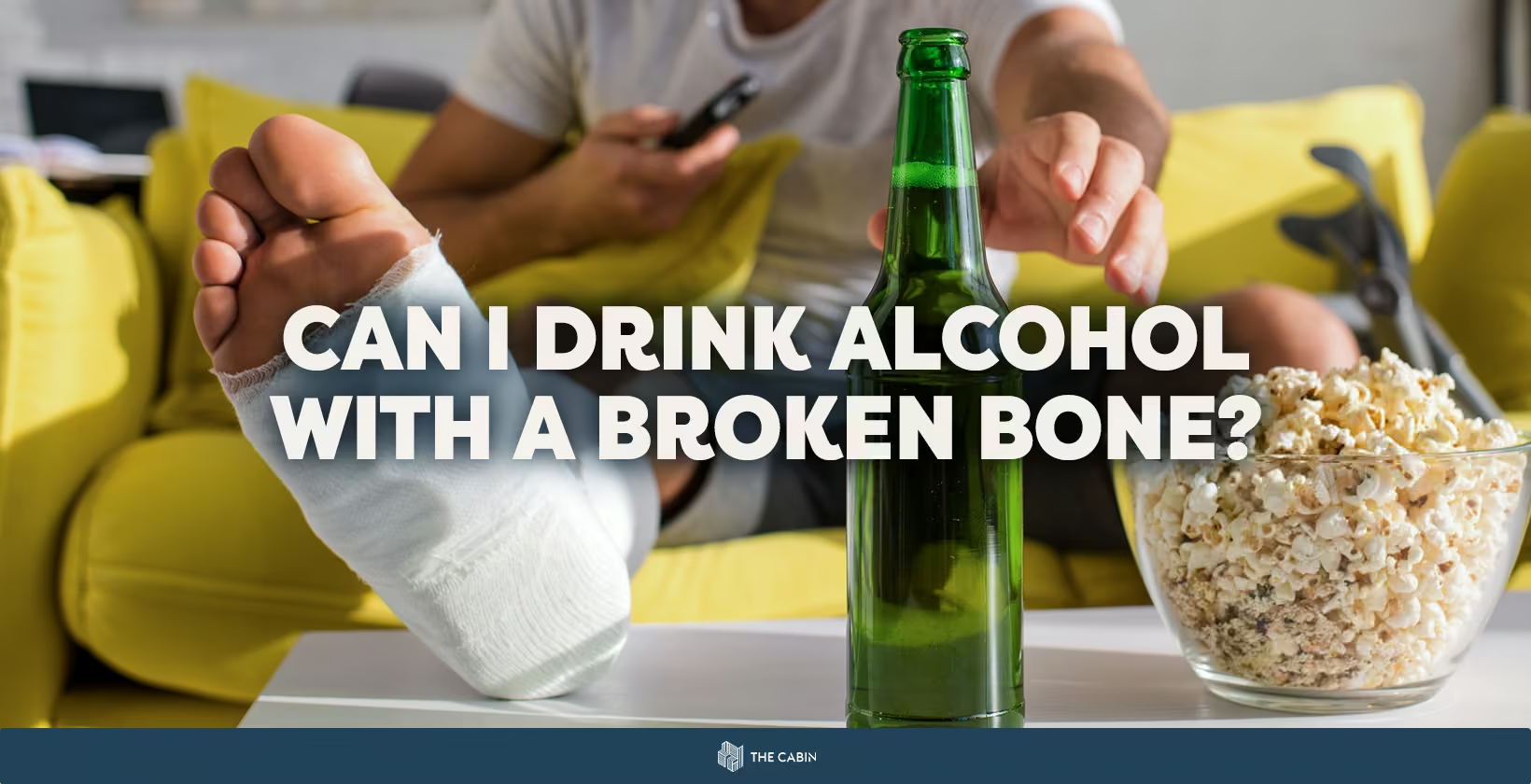
Yes, you can drink alcohol with a broken bone, but it is not advisable during the healing period. Alcohol interferes with bone healing by reducing the activity of osteoblasts, the cells responsible for forming new bone tissue. Reduced osteoblast function delays the repair process and weakens the structural integrity of the healing bone. This disruption slows the body’s natural response to injury and limits efficient tissue regeneration.
Alcohol impairs calcium absorption, which is essential for bone mineralization. Lower calcium availability reduces bone density at the fracture site and compromises long-term strength. Alcohol increases the risk of falls due to impaired balance and coordination during recovery, which can worsen the injury or cause new fractures. Light consumption or a single drink on rare occasions places stress on the healing process, while moderate intake (several drinks per week) slows recovery further. Heavy drinking (daily or binge intake) severely disrupts bone repair and increases the likelihood of complications.
Alcohol interacts negatively with pain medications (opioids and anti-inflammatory drugs) by intensifying sedation and raising the risk of gastrointestinal bleeding. Pre-existing health conditions (diabetes or liver disease) compound the dangers, as alcohol worsens metabolic and immune responses needed for healing. Abstaining from alcohol until the fracture has healed, while maintaining hydration, consuming nutrient-rich foods, and following medical guidance, supports faster and safer recovery. The relationship between alcohol and broken bones demonstrates that abstinence provides the safest path toward proper healing.
Can you drink wine with a broken bone?
Yes, you can drink wine with a broken bone, but only in moderation. Wine is often perceived as less harmful, yet it delivers the same physiological effects as other alcoholic beverages. Wine consumption with a fractured bone carries the same risks as other alcoholic beverages. Wine intake interferes with bone repair by reducing collagen formation, which is vital for structural strength. It contains alcohol that interacts with medications, increasing drowsiness and accident risk during recovery. Heavy drinking delays healing and raises long-term weakness. Even moderate wine intake can subtly prolong recovery timelines, especially when consumed repeatedly. Avoid wine until the fracture heals to ensure proper recovery. The link between alcohol and broken bones emphasizes prioritizing recovery over the temporary effects of indulgence.
How does Alcohol Affect Bone Regeneration After a Fracture?
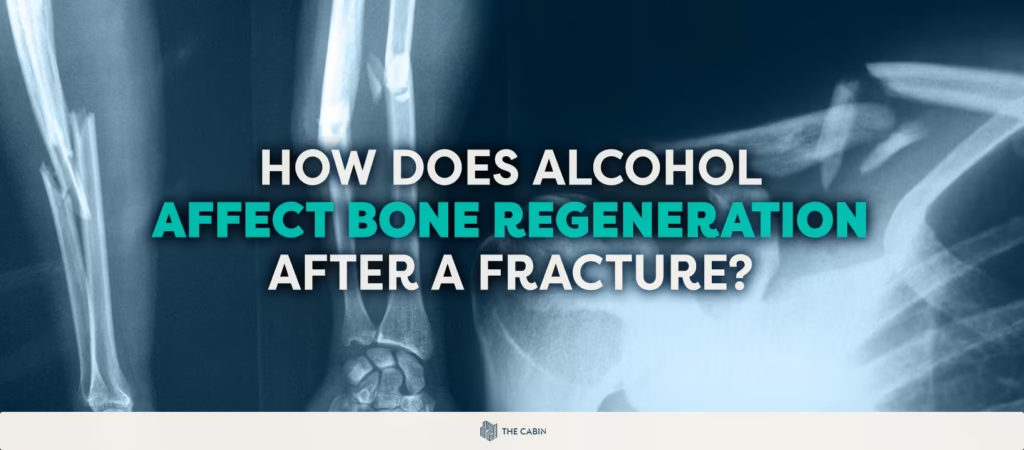
Alcohol affects bone regeneration after a fracture by slowing the production of osteoblasts, the bone-forming cells that create new tissue during recovery. Reduced osteoblast activity weakens the deposition of minerals (calcium and phosphorus), which are essential for strong bone structure. Alcohol interferes with collagen formation by disrupting protein synthesis, and collagen provides the framework that supports mineralization and elasticity in healing tissue. Impaired collagen production leads to fragile bone that lacks proper durability.
The process of replacing old bone with new bone (bone remodeling) becomes disrupted through alcohol intake, resulting in incomplete repair and structural imbalance. This imbalance increases vulnerability at the fracture site and raises reinjury risk during normal movement. Healing timelines extend by weeks or months when alcohol interferes with regeneration, leaving fractures unstable for more extended periods. The effects intensify due to persistent deficiencies in bone cell activity, collagen production, and remodeling capacity caused by addiction to alcohol. Chronic intake leads to delayed union, nonunion, or recurrent fractures, which represent serious complications during recovery. The relationship between alcohol and bone healing demonstrates that abstinence supports timely regeneration and reduces risks linked to weakened bone tissue.
Is It Safe to Drink Wine While Healing From a Bone Injury?
No, it is not safe to drink wine while healing from a bone injury. Moderate wine intake interferes with recovery by slowing calcium absorption and reducing vitamin D activity. Heavy drinking creates more severe damage through suppressed osteoblast function and prolonged inflammation. Small amounts of wine delay healing because alcohol disrupts protein synthesis and weakens collagen formation, both of which are essential for bone repair. Medication interactions present further risks, as wine combined with pain relievers or anti-inflammatory drugs increases the chance of gastrointestinal bleeding and liver strain. Dehydration caused by alcohol intake reduces circulation and nutrient delivery, while nutrient loss from impaired absorption weakens the supply of minerals (magnesium and zinc) that support bone strength. Long-term intake magnifies these effects, leaving bones fragile and recovery slower. Complete abstinence during healing provides the safest path to stronger tissue repair and reduced complications.
Does caffeine slow healing?
Yes, caffeine slows healing by interfering with calcium retention and increasing fluid loss through diuretic effects. Reduced calcium availability weakens bone mineralization, while dehydration limits oxygen and nutrient transport to injured tissue. Excessive caffeine intake prolongs recovery by creating imbalances that restrict collagen synthesis and delay bone remodeling. Balanced hydration and controlled caffeine intake support stronger healing outcomes.
Does Alcohol Interfere With Calcium Absorption and Bone Density?
Yes, alcohol interferes with calcium absorption and bone density. Alcohol reduces calcium absorption by damaging the lining of the intestines, which limits the transport of calcium into the bloodstream. Reduced calcium intake weakens the mineral foundation required for bone strength. Alcohol impairs vitamin D metabolism by harming the liver, reducing active vitamin D, which is essential for calcium absorption and bone health. It lowers estrogen and testosterone, weakening bones and slowing remodeling, increasing osteoporosis risk. Osteoporosis results from poor calcium absorption, vitamin D issues, and hormonal imbalance. Alcohol addiction worsens the risks by causing ongoing deficiencies, increasing fracture risk, and delaying healing chances. Abstinence improves calcium absorption and hormone balance, and reduces osteoporosis risk.
How does Alcohol Impact Bone Marrow and Bone Cell Production?
Alcohol impacts bone marrow and bone cell production by suppressing the activity of osteoblasts, which are responsible for forming new bone tissue. Reduced osteoblast function limits the deposition of minerals (calcium and phosphorus), leading to weaker structural integrity during recovery. Alcohol damages bone marrow health by impairing the environment where stem cells develop, which restricts the supply of bone-forming cells and immune cells. A compromised bone marrow environment decreases the body’s ability to regenerate tissue and defend against infection. Bone cell production directly influences healing speed, and reduced output slows the repair of fractures by extending the time required for new tissue to replace damaged areas. Delayed healing increases the risk of complications (nonunion or recurrent fractures). Alcohol addiction intensifies the effects by creating persistent suppression of osteoblasts and long-term damage to bone marrow function. Prolonged intake results in chronic deficiencies that weaken bone strength and reduce resilience against injury. The relationship between alcohol intake and bone cell production demonstrates that abstinence supports faster healing, stronger bone regeneration, and healthier marrow function.
Can Alcohol Increase Inflammation or Pain Around a Healing Bone?
Alcohol can increase inflammation and pain around a healing bone. Alcohol triggers inflammation by raising levels of pro-inflammatory cytokines, which are chemical signals that stimulate immune activity. Elevated cytokines prolong the inflammatory phase of healing, creating an environment where tissue repair becomes less efficient. Inflammation increases pain by sensitizing nerve endings, making the injured area more reactive to pressure and movement. Alcohol contributes to swelling through fluid imbalance and vascular changes, which place additional stress on surrounding tissues. Swelling restricts circulation, reducing the delivery of oxygen and nutrients required for bone repair. Slowed tissue repair results from the combined effects of impaired blood flow, prolonged inflammation, and decreased cellular activity. Alcohol addiction worsens outcomes by sustaining inflammation and impairing bone regeneration. Abstinence aids in reducing pain, controlling inflammation, and speeding up injury healing in the bone.
Does Heavy or Long-Term Drinking Cause Bone Disease or Weak Bones?
Yes, heavy or long-term drinking causes bone disease and weak bones. Chronic alcohol consumption is linked to osteoporosis because it disrupts the balance between bone formation and resorption. This condition occurs when bone density and strength decrease, making the skeleton more prone to fractures. Alcohol impairs calcium absorption in the intestines and reduces vitamin D activation in the liver, both of which are crucial for mineral deposition. Lower mineral density leads to fragile bones that are less resilient to stress. Long-term alcohol use causes nutritional deficiencies in protein, magnesium, and zinc, which are essential for collagen production and bone healing. Alcohol affects hormones by lowering estrogen and testosterone levels, which reduces osteoblast activity and speeds up bone loss. Alcohol addiction worsens skeletal issues by sustaining deficiencies and hormonal imbalance, raising fracture risk. Abstinence improves mineral density and hormone balance while lowering the risk of osteoporosis.
Why Might Bones Hurt After Drinking Alcohol?
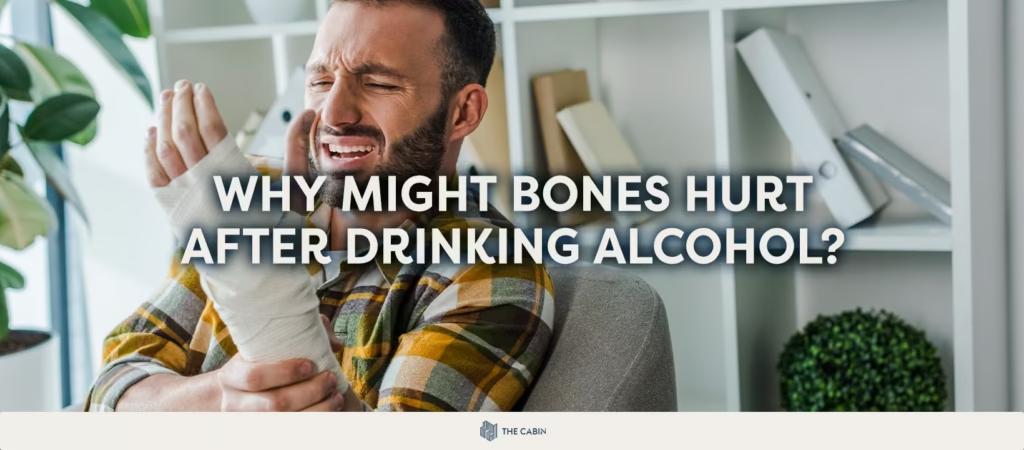
Bones might hurt after drinking alcohol because alcohol disrupts multiple physiological processes that support skeletal comfort and stability. Alcohol causes dehydration by increasing fluid loss through urine, which reduces the availability of water needed for circulation and nutrient delivery. Reduced hydration limits efficient blood flow to bones and surrounding tissues, increasing sensitivity and discomfort.
Dehydration creates an electrolyte imbalance by lowering levels of sodium, potassium, and magnesium, which are essential for muscle and nerve function. Imbalance in electrolytes contributes to muscle cramps and joint discomfort, placing additional stress on bone tissue. Alcohol triggers inflammation responses by raising pro-inflammatory cytokines, which prolong swelling and irritation around injured or weakened areas. Inflammation intensifies pain by increasing pressure on surrounding tissues and restricting blood flow needed for repair.
Alcohol alters nerve sensitivity by lowering the threshold for pain signals, making bones and joints more reactive to minor stress. Heightened nerve sensitivity creates sharper and more persistent pain sensations after drinking. Alcohol addiction magnifies the effects by maintaining chronic dehydration, persistent inflammation, and long-term nerve dysfunction. The relationship between alcohol intake and bone pain demonstrates that abstinence supports balanced hydration, stable electrolyte levels, controlled inflammation, and reduced nerve sensitivity.
Is Alcohol Bad for Osteoporosis or Bone Loss?
Alcohol is bad for osteoporosis and bone loss. Alcohol accelerates bone loss by suppressing osteoblast activity, which reduces the formation of new bone tissue and limits mineral deposition. Reduced mineral density weakens the skeletal framework, leaving bones fragile and less capable of withstanding stress. This weakening makes everyday movement more likely to result in micro-damage or fractures.
Alcohol increases fracture risk by impairing balance and coordination, which raises the likelihood of falls, while weakened bone structure makes fractures more severe and harder to heal. Long-term intake contributes to progressive weakening by disrupting calcium absorption, interfering with vitamin D metabolism, and lowering hormone levels (estrogen and testosterone) that support bone strength. Chronic exposure creates a cycle of poor bone remodeling, reduced density, and heightened vulnerability to osteoporosis. Alcohol addiction worsens bone health by causing deficiencies and structural damage, leading to prolonged weakness and fracture risk. Abstinence helps improve bone density, reduce fractures, and increase resilience to weakening.
Can Bone Damage From Alcohol Be Reversed?
Yes, bone damage from alcohol can be reversed in many cases. Reduced drinking improves bone health by restoring osteoblast activity, which allows new bone tissue to form more effectively. Regained bone density occurs after quitting alcohol, as calcium absorption and vitamin D metabolism return to normal levels, supporting mineral deposition and a stronger skeletal structure. These improvements develop gradually and depend on consistency in alcohol avoidance.
Nutritional balance improves with abstinence, providing essential factors such as protein, magnesium, and zinc that contribute to collagen synthesis and bone repair. Hormonal stability returns when alcohol intake stops, allowing estrogen and testosterone to stimulate bone remodeling and maintain density. Long-term heavy drinkers face recovery limits due to lasting deficiencies in bone marrow function, weakened collagen, and accelerated osteoporosis. Severe intake causes permanent damage, making bones fragile despite healthier habits. Alcohol addiction worsens these issues by suppressing bone-forming cells and hindering tissue regeneration.
Does Drinking Alcohol Affect Pain Relief From Advil During Bone Recovery?
Yes, drinking alcohol affects pain relief from Advil during bone recovery. Alcohol interacts with ibuprofen by increasing the risk of gastrointestinal irritation, ulcers, and internal bleeding, which complicates managing bone or injury pain. This interaction places additional strain on the digestive lining and delays safe pain control. Alcohol heightens the sedative effects of ibuprofen, leading to increased drowsiness and decreased alertness, thereby increasing the risk of accidents during recovery. Combining alcohol and ibuprofen puts extra stress on the liver and kidneys, which metabolize both substances, slowing healing and causing long-term health issues. Pain relief becomes less effective when alcohol disrupts the absorption and metabolism of ibuprofen, resulting in persistent discomfort.
Chronic alcohol intake magnifies the toxic effects of ibuprofen, creating sustained damage to the digestive tract and weakening the body’s ability to repair bone tissue, making the combination dangerous when it involves alcohol and Advil. Long-term drinking during recovery increases inflammation, delays bone regeneration, and reduces the effectiveness of pain management strategies. The relationship between alcohol intake and ibuprofen use demonstrates that abstinence supports safer pain relief, stronger bone healing, and reduced risk of complications.
How Much Alcohol is Safe While Recovering From a Fracture?
No amount of alcohol is safe while recovering from a fracture. Safety varies per patient, due to individual health conditions, age, nutritional status, and medication use, which influence how alcohol affects healing. Zero alcohol intake is ideal during recovery since abstinence prevents interference with calcium absorption, vitamin D metabolism, and protein synthesis, which are essential for bone repair. Alcohol-free healing creates a stable internal environment for regeneration.
Alcohol-free healing also supports stronger tissue regeneration, stable clot formation, and reduced inflammation around the injured area. General low-risk drinking guidance from medical professionals defines moderate intake as up to one drink per day for women and up to two drinks per day for men. Even moderate intake delays bone healing and increases fracture risk. Long-term abstinence provides the greatest benefit by maintaining bone density, supporting hormonal balance, and reducing complications during recovery. The relationship between alcohol intake and fracture healing demonstrates that complete avoidance offers the safest path to stronger bones and faster repair.
Does Alcohol Interfere With Muscle Repair and Tissue Healing?
Yes, alcohol interferes with muscle repair and tissue healing. Alcohol reduces protein synthesis by impairing the activity of muscle-building cells, which limits the production of structural proteins required for tissue regeneration. Lower protein synthesis weakens the repair process and slows the replacement of damaged fibers. This slowdown affects both muscle strength and joint stability during recovery. Muscle recovery experiences delays because alcohol disrupts nutrient absorption and energy balance, leaving tissues without the resources needed for efficient healing. Prolonged recovery increases the risk of persistent soreness and reduced strength after injury. Alcohol causes dehydration by boosting urine output, leading to electrolyte imbalance and impaired blood flow. The dehydration hampers oxygen and nutrient delivery to injured tissues, delaying healing.
Long-term alcohol consumption worsens the effects by suppressing protein synthesis, extending recovery, and sustaining fluid imbalance. Avoiding alcohol helps improve protein synthesis, speeds up healing, and promotes healthier tissue recovery and repair.
Does Alcohol Affect Wound Healing After Bone Surgery?
Yes, alcohol affects wound healing after bone surgery. Alcohol interferes with multiple biological processes that are essential for post-surgical recovery. Alcohol slows tissue growth by reducing the activity of fibroblasts, which are responsible for producing collagen and forming the structural framework of healing tissue. Impaired collagen production weakens the repair process and delays the closure of surgical wounds, increasing vulnerability at the incision site.
Alcohol disrupts clotting by affecting platelets, prolonging bleeding, and hindering stable clot formation. Poor clot stability raises the risk of reopening surgical wounds and prolongs recovery timelines. Alcohol suppresses immunity by reducing white blood cell activity, raising infection risk, and complicating healing. Weakened immune response and poor clotting foster bacterial growth, worsening recovery outcomes. Alcohol addiction also worsens the issues due to chronic tissue damage, impaired immunity, and sustained inflammatory stress. Abstinence boosts tissue repair, supports effective clotting, and reduces infection risk after bone surgery.
What are the Long-Term Effects of Alcohol on Bone Strength and Recovery?
The long-term effects of alcohol on bone strength and recovery are listed below:
- Cumulative Bone Density Loss: Alcohol interferes with calcium absorption and vitamin D metabolism, leading to gradual mineral depletion. Continuous loss of bone density weakens skeletal strength and increases vulnerability to fractures over time. Progressive mineral loss reduces the bone’s ability to withstand mechanical stress.
- Lifetime Fracture Risk: Persistent alcohol intake reduces bone quality and balance, raising the likelihood of falls and injuries throughout life. Fragile bones increase the chance of recurrent fractures that disrupt mobility and independence. Repeated fractures compound functional decline and prolong recovery cycles.
- Chronic Inflammation Effects: Alcohol triggers prolonged inflammatory responses that interfere with bone remodeling and tissue repair. Chronic inflammation increases pain, delays healing, and contributes to lasting weakness in skeletal structure. Ongoing inflammation also accelerates the degeneration of surrounding joints and connective tissue.
Is It Safe to Drink Alcohol While Taking Meloxicam for Bone or Joint Pain?
No, it is not safe to drink alcohol while taking Meloxicam for bone or joint pain. Alcohol intensifies the side effects of nonsteroidal anti-inflammatory drugs by weakening the protective lining of the stomach, which can lead to bleeding during recovery. This interaction significantly raises the risk of ulcers and internal gastrointestinal injury. The combination of Meloxicam and alcohol places additional strain on the liver and kidneys, organs responsible for metabolizing the substances, which can slow healing and create long-term complications. Alcohol interferes with circulation and nutrient delivery, while Meloxicam reduces inflammation, and the conflicting effects compromise the repair of bone and joint tissue. Pain management becomes less effective when alcohol disrupts the absorption and metabolism of the medication, leaving discomfort more persistent.
Alcohol addiction magnifies the risks by maintaining chronic exposure, which increases the likelihood of severe gastrointestinal damage and prolonged recovery timelines. The relationship between alcohol and Meloxicam demonstrates that abstinence supports safer pain relief, stronger tissue repair, and reduced risk of complications during bone or joint healing.
Life Without Alcohol is Possible!
If you or a loved one is drinking every day or struggling to stop, it’s important to reach out for help. At The Cabin, we understand the challenges of addiction. We treat alcoholism regardless of its cause, whether it stems from trauma, stress, genetics, or mental health issues. We offer a free evaluation call and support services to fit your needs. For more information, please fill out our contact form or contact us through our toll-free numbers on our contact page.
Begin Your Path to Recovery
For Healthcare Professionals Referring Clients
We collaborate with healthcare providers, including GPs, psychiatrists, psychologists, counsellors, and case managers, to ensure seamless referrals. If you wish to refer a client or patient, please connect with us via email, phone, or our online contact form; we’re here to help guide your clients on their path to recovery.
For Individuals Seeking Treatment
At the Cabin, treatment is more than addressing addiction or mental health challenges — it’s an opportunity to embark on a profound journey of self-care discovery and personal growth. Our holistic approach nurtures lasting change and a healthier, more fulfilled life.
For Loved Ones Seeking Support
The Cabin offers specialized care that tackles both addiction and related mental health concerns. We create a compassionate environment where loved ones can find the healing and support they need to rebuild their lives and move forward with confidence.