Benzonatate and alcohol are a dangerous combination due to the increased sedative effects. The interaction amplifies central nervous system depression, which raises the risk of impaired alertness and respiratory suppression. Benzonatate is a prescription cough suppressant (an antitussive) used to relieve coughing by numbing the throat and lungs. The medication works by anesthetizing stretch receptors in the respiratory tract, which reduces the cough reflex. The depressant effects of two substances are amplified when combined with alcohol, leading to extreme drowsiness, dizziness, and impaired coordination. Alcohol enhances sedative signaling in the brain, which compounds benzonatate’s neurological effects. The risks of mixing the substances depend on several factors (the dose of Benzonatate, personal health conditions, and other medications being taken). Individual sensitivity and concurrent central nervous system depressants significantly increase complication probability. Higher doses of Benzonatate increase the chance of sedation when alcohol is consumed. Common side effects include nausea, stomach pain, and confusion, while more serious risks include difficulty breathing, seizures, and loss of consciousness. Respiratory depression represents the most severe interaction risk, as suppressed breathing can become life-threatening. Wait at least 4 to 6 hours after taking Benzonatate before drinking alcohol to reduce the risk of harmful interactions. Even with spacing, interaction risk remains due to overlapping sedative mechanisms. Mixing the two results in common side effects (dizziness and blurred vision), while more severe outcomes, like respiratory depression and seizures, pose serious health risks. Drinking on Benzonatate must be avoided to prevent serious health risks. Complete alcohol avoidance provides the highest safety margin during antitussive therapy.
Can you Drink Alcohol While Taking Benzonatate?
No, you cannot drink alcohol while taking Benzonatate. The combination increases central nervous system depression and raises the likelihood of dangerous sedation. Benzonatate is an antitussive used to suppress coughing. The medication reduces the cough reflex by anesthetizing stretch receptors in the respiratory tract. Drinking alcohol while on Benzonatate intensifies side effects (dizziness, drowsiness, and impaired coordination). Alcohol enhances inhibitory neurotransmitter activity, which compounds benzonatate’s sedative properties. Alcohol depresses the central nervous system, leading to heightened sedation and increased risk of accidents. Impaired alertness and slowed reaction time elevate the probability of falls and driving-related injuries. Combining the two increases the risk of seizures when alcohol withdrawal occurs. Individuals with alcohol dependence face higher neurological instability, which magnifies seizure risk during withdrawal periods. The addiction to alcohol worsens the effects, making it even more dangerous to mix alcohol with Benzonatate. Experts advise avoiding alcohol consumption while taking Benzonatate to prevent harmful interactions and ensure safety. Complete avoidance provides the safest approach during cough suppressant therapy.
What Kinds of Reactions Might Occur if Benzonatate and Alcohol are Taken Together?
The kinds of reactions that might occur if Benzonatate and alcohol are taken together include extreme drowsiness, fatigue, and loss of balance. These reactions result from compounded central nervous system depression and impaired neurological signaling. Benzonatate and alcohol depress the central nervous system, which heightens the sedative effects of each other. Alcohol enhances inhibitory neurotransmission, while benzonatate suppresses sensory reflex pathways, which increases overall sedation. The interaction impairs cognitive functions and motor skills, increasing the risk of accidents, falls, and poor coordination. Slowed reaction time and reduced spatial awareness elevate injury probability. Binge drinking or chronic alcohol use intensifies the effects, leading to confusion, heightened sedation, and even respiratory depression. Respiratory depression poses the most serious risk, as suppressed breathing can become life-threatening. Avoiding alcohol while taking Benzonatate is crucial to minimizing these dangerous risks. Complete abstinence during therapy provides the highest level of neurological and respiratory safety.
In what ways can alcohol alter how Benzonatate works inside the body?
Alcohol can alter how Benzonatate works inside the body by intensifying its sedative effects, interfering with its metabolism, and affecting gastrointestinal function. These alterations influence neurological signaling, hepatic enzyme activity, and digestive stability. Benzonatate is a respiratory-based drug that suppresses coughing by numbing the throat and lungs. The medication anesthetizes stretch receptors in the respiratory tract, which decreases the cough reflex. The sedative effects of Benzonatate are intensified by alcohol, a central nervous system depressant, which results in increased drowsiness and decreased coordination. Alcohol enhances inhibitory neurotransmitter pathways, which compounds sedation and slows reaction time. Alcohol increases stomach acid production in the gastrointestinal system, causing irritation that counteracts the intended effects of Benzonatate. Gastric irritation may increase nausea and abdominal discomfort during therapy. Alcohol affects liver metabolism, which alters how Benzonatate is processed. The liver breaks down alcohol and Benzonatate, and the presence of alcohol impacts the enzyme activity responsible for metabolizing Benzonatate. Enzyme competition may modify drug concentration levels in the bloodstream. The interaction may increase or decrease drug levels in the bloodstream, reducing the drug’s effectiveness or amplifying side effects. Fluctuating plasma levels increase the probability of adverse reactions and inconsistent cough suppression.
What side effects should you watch for if you mix alcohol with Benzonatate?
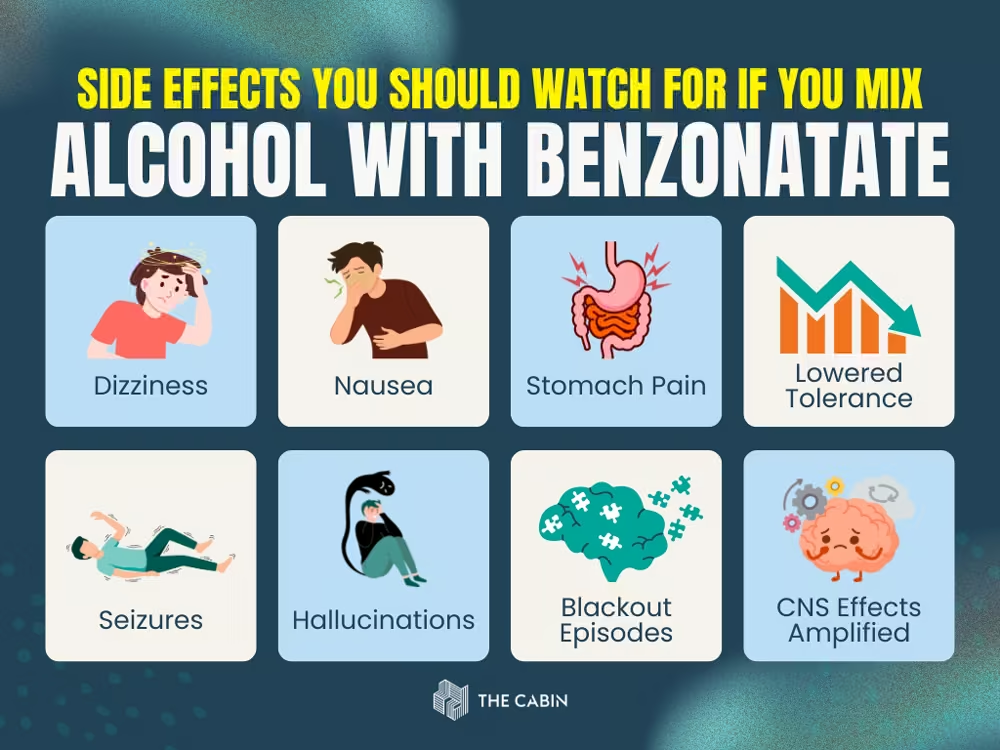
The side effects you should watch for if you mix alcohol with Benzonatate are listed below. These reactions stem from compounded central nervous system depression and altered neurological stability.
- Dizziness: A feeling of lightheadedness or vertigo, which impairs balance. Increased sedation slows vestibular signaling, which raises fall risk.
- Nausea: The sensation of needing to vomit, which is aggravated by alcohol. Alcohol-induced gastric irritation amplifies queasiness and abdominal discomfort.
- Stomach Pain: Discomfort or pain in the stomach area, which is worsened by alcohol. Elevated stomach acid production increases mucosal irritation during therapy.
- Lowered Tolerance: Alcohol increases the sedative effects of Benzonatate, leading to lowered tolerance for the two substances. Reduced tolerance heightens sensitivity to smaller doses and intensifies impairment.
- Seizures: Uncontrolled muscle movements or convulsions, a severe reaction that may be triggered by alcohol’s interaction with Benzonatate. Neurological instability increases seizure susceptibility, especially in individuals with alcohol dependence.
- Hallucinations: Altered perceptions or vivid experiences that are not based in reality, worsened by alcohol. Excessive central nervous system depression can disrupt normal sensory processing.
- Blackout Episodes: Periods of memory loss or inability to recall events, which are induced by the interaction of alcohol and Benzonatate. Impaired hippocampal function contributes to short-term memory disruption.
- Amplified Central Nervous System Effects: Alcohol and Benzonatate depress the central nervous system, increasing drowsiness and confusion and impairing coordination. The combination of the substances heightens sedation, leading to a higher risk of accidents, impaired judgment, and difficulty with motor functions. Severe sedation may progress to respiratory suppression, which requires urgent medical attention.
Does combining Benzonatate with alcohol lead to any dangerous drug interactions?
Yes, combining Benzonatate with alcohol leads to dangerous drug interactions. The interaction primarily involves amplified central nervous system depression and increased neurological instability. Alcohol intensifies the sedative effects of Benzonatate, increasing risks involving severe drowsiness, impaired coordination, and slowed breathing. Compounded sedation reduces alertness and may impair protective airway reflexes. Benzonatate and alcohol depress central nervous system activity, which raises the chance of accidents and loss of motor control. Slowed reaction time and diminished cognitive processing elevate injury probability. Clinical toxicology references associate Benzonatate exposure with seizure risk, and alcohol withdrawal further elevates seizure incidence among populations with frequent alcohol intake. Individuals with alcohol dependence face higher neurological vulnerability during withdrawal phases. Alcohol ranks among the most abused substances, which increases the probability of misuse alongside prescription cough suppressants. Concurrent misuse increases overdose risk and respiratory complications. Documented reactions include irritability, anxiety spikes, emotional volatility, and behavioral instability when Benzonatate and alcohol coexist in the body. Behavioral changes reflect disrupted neurotransmitter balance and heightened central nervous system stress.
Could drinking alcohol shortly after a Benzonatate dose cause harmful effects?
Yes, drinking alcohol shortly after a Benzonatate dose could cause harmful effects. The interaction rapidly amplifies central nervous system depression, which increases safety risks. The primary concern is the depressant effect of the two substances on the central nervous system, leading to heightened drowsiness, impaired coordination, and a greater risk of accidents. Reduced alertness and delayed reaction time elevate the likelihood of falls and driving-related injuries. The type of alcohol consumed, whether wine, beer, or liquor, does not alter the risk. The quantity of alcohol is the main factor. Higher blood alcohol concentration correlates directly with greater neurological suppression. Larger quantities of alcohol increase the potential for overdose, which is amplified when combined with Benzonatate. Combined sedative load raises the probability of respiratory depression and profound sedation. Drinking alcohol shortly after a dose worsens the sedative effects of Benzonatate and increases the risk of severe side effects (respiratory depression). Respiratory suppression represents the most dangerous complication, as slowed breathing can become life-threatening. Changes in tolerance levels with chronic alcohol use may further complicate the potential for overdose. Chronic alcohol exposure alters neurotransmitter balance, which increases the unpredictability of sedative response. Always exercise caution when combining alcohol with any medication, including Benzonatate, to avoid serious health risks. Complete avoidance of alcohol during therapy provides the safest preventive strategy
How long after taking Benzonatate is it recommended to wait before having a drink?
Wait at least 4 to 6 hours after taking Benzonatate before having a drink. This minimum interval allows peak sedative effects to decline, but it does not eliminate interaction risk. The waiting period ensures that the effects of the medication have diminished and reduces the risk of harmful interactions. Benzonatate reaches peak plasma levels within a few hours, which overlaps with alcohol’s depressant activity if consumed too soon. Consistency in alcohol intake is important because excessive or irregular alcohol consumption increases the sedative effects of Benzonatate, leading to heightened drowsiness, dizziness, and impaired motor skills. Higher alcohol intake raises blood alcohol concentration, which directly intensifies neurological suppression. Factors (the dose of Benzonatate, individual metabolism rates, and alcohol tolerance levels) affect how quickly the body processes the medication and alcohol. Faster metabolism may shorten drug presence, while slower hepatic function prolongs sedative overlap. Patients with a history of alcohol withdrawal experience more intense interactions and must be cautious. Withdrawal-related neurological instability increases seizure and confusion risk. Always consult a healthcare provider for personalized advice. Individualized medical guidance ensures safer decision-making based on health history and medication profile.
Is it risky to take Benzonatate if you have already been drinking alcohol?
Yes, it is risky to take Benzonatate if you have already been drinking alcohol. Pre-existing alcohol in the bloodstream increases central nervous system depression once benzonatate is introduced. Combining the two intensifies the sedative effects, leading to extreme drowsiness, impaired coordination, and difficulty breathing. Compounded sedation reduces alertness and may suppress protective airway reflexes. Short-term consequences may include mishaps, falls, or trouble completing tasks that call for focus. Slowed cognitive processing and delayed reaction time elevate accident risk. Long-term risks include the possibility of developing a higher tolerance to the two substances, increasing the chance of overdose. Increased tolerance often leads to higher consumption, which raises cumulative toxicity risk. The combination of alcohol and Benzonatate raises the risk of seizures for patients with a history of alcohol withdrawal or heavy alcohol use. Neurological instability during withdrawal phases heightens seizure susceptibility. Withdrawal-related seizures may be triggered by the depressant effects of the two substances. Exercise caution and consult a healthcare provider before using Benzonatate if alcohol has already been consumed. Professional guidance ensures safer timing and reduces preventable complications.
Can alcohol reduce the effectiveness of Benzonatate or impact its benefits?
Yes, alcohol can reduce the effectiveness of Benzonatate and impact its benefits. Alcohol alters central nervous system signaling and hepatic metabolism, which can interfere with optimal cough suppression. Alcohol is a central nervous system depressant that dampens the therapeutic response of medications, including Benzonatate. Benzonatate relies on stable neural reflex pathways to reduce cough frequency. Combining alcohol with Benzonatate may make it more difficult for the drug to suppress coughing because alcohol alters the central nervous system in a way that prevents the medication from working as intended. Disrupted neurotransmitter balance can weaken coordinated reflex control in the respiratory tract. Alcohol use leads to treatment resistance in patients using medications, as alcohol disrupts the brain’s response to treatment. Chronic alcohol exposure modifies receptor sensitivity, which may blunt medication responsiveness. Mixing alcohol with Benzonatate results in irritability and agitation, as the combination increases the risk of mood disturbances, impairing emotional stability and making it harder for the body to benefit from the medication’s intended effects. Mood instability reflects altered neurotransmission and heightened neurological stress. Always exercise caution and avoid combining alcohol with Benzonatate to ensure its effectiveness. Complete avoidance preserves therapeutic benefit and reduces preventable adverse reactions.
What should someone do if they unintentionally drink alcohol while on Benzonatate?
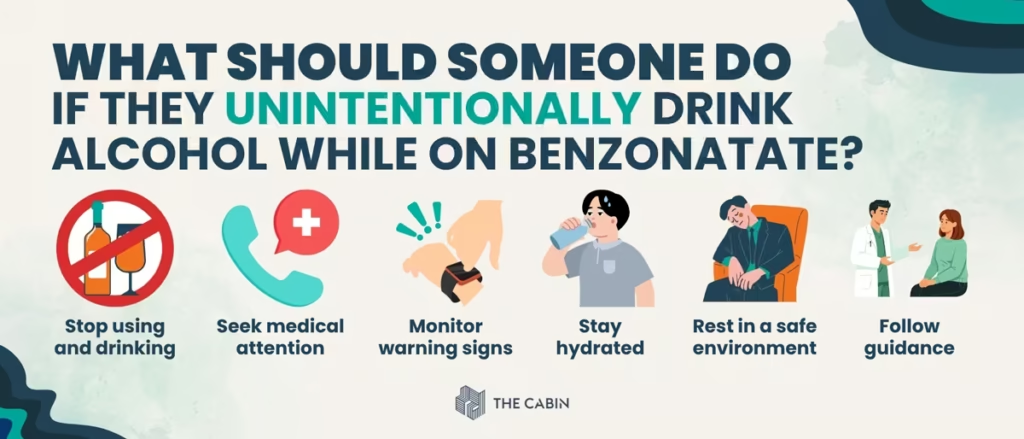
Things someone should do if they unintentionally drink alcohol while on Benzonatate by following the six steps below. These steps prioritize neurological safety, respiratory stability, and timely medical evaluation.
- Stop using Benzonatate and alcohol immediately. Discontinue further use of both substances to prevent worsening side effects. Eliminating additional intake reduces cumulative central nervous system depression.
- Seek medical attention. Contact a healthcare provider or visit an emergency room if any unusual symptoms occur (excessive drowsiness, dizziness, difficulty breathing, or confusion). Early medical assessment decreases the risk of respiratory complications and prolonged sedation.
- Monitor for warning signs. Watch for signs of severe reactions (hallucinations, seizures, or loss of coordination), which require immediate medical care. Rapid symptom escalation signals possible neurological instability or overdose risk.
- Stay hydrated. Drink water to help flush out the alcohol and medication from the system. Adequate hydration supports metabolic processing and maintains circulatory stability.
- Rest in a safe environment. Lie down in a comfortable, safe position to minimize the risk of injury due to dizziness or lack of coordination. A stable resting position reduces fall risk during periods of impaired balance.
- Follow harm-reduction advice from specialists. Avoid drinking alcohol while taking Benzonatate, or consult a healthcare provider for specific guidance on managing alcohol use with prescription medications. Professional guidance ensures personalized risk assessment and safer medication management.
Are there safer practices for drinking alcohol when Benzonatate is part of your medication routine?
Ethanol interferes with diphenhydramine’s antihistamine effect, reducing relief from congestion, sneezing, and itching. Its sedative properties mask discomfort, but leave allergic reactions untreated. This false sense of relief allows histamine-driven inflammation to continue without proper suppression. The misleading calming effect delays symptom control and prolongs immune response activity. Occasional alcohol use with Benadryl causes temporary impairment, while repeated use increases risks, including weakened immunity, persistent fatigue, and cognitive disruption. Chronic alcohol and diphenhydramine use strains the liver and nervous system, harming long-term allergy management and overall health stability.

Can the combination of Benzonatate and alcohol affect your emotional balance or mood?
Yes, the combination of Benzonatate and alcohol can affect your emotional balance and mood. The interaction alters neurotransmitter activity and central nervous system stability, which influences emotional regulation. Mixing the two substances leads to mood-related effects (increased anxiety or a worsening of depression). Fluctuations in inhibitory and excitatory signaling contribute to emotional volatility. Alcohol is a central nervous system depressant that amplifies the sedative effects of Benzonatate, which result in heightened emotional instability, irritability, and agitation. Enhanced sedation can blunt cognitive control, which reduces resilience against stress triggers. The neurological responses when combining Benzonatate and alcohol include altered brain function, impaired judgment, and reduced emotional regulation. Disrupted prefrontal cortex activity weakens impulse control and decision-making. Alcohol is associated with a decreased ability to manage emotions, making it harder for patients to cope with stress or emotional triggers. Reduced emotional processing capacity increases susceptibility to anxiety spikes and depressive symptoms. The combination of the two substances impairs mood regulation, increasing the risk of emotional distress and negative mood shifts. Sustained imbalance may intensify behavioral instability and social functioning challenges.
Does mixing alcohol with Benzonatate raise the chances of experiencing seizures?
Yes, mixing alcohol with Benzonatate raises the chances of experiencing seizures. The interaction lowers the seizure threshold by disrupting central nervous system stability. Benzonatate toxicity has been associated with neurological complications, including seizures, particularly at high doses. Seizures are considerably more likely to occur when alcohol is consumed in large amounts or during withdrawal. Acute intoxication and withdrawal both alter neurotransmitter balance, which increases neuronal excitability. Alcohol withdrawal causes hyperexcitability in the central nervous system, which increases the risk of seizures. Withdrawal-related glutamate overactivity and reduced inhibitory signaling contribute to convulsive episodes. The risk of seizures is dosage-dependent, with higher doses of Benzonatate or alcohol heightening the chances of seizure activity. Increased substance concentration intensifies neurochemical disruption and electrical instability. Combining the two substances amplifies the risks, as each affects the brain’s neurochemical balance in a way that lowers seizure thresholds. Concurrent exposure compounds excitatory stress, which raises the probability of seizure occurrence.
Is having one glass of wine considered safe if you’re taking Benzonatate or Prozac?
No, having one glass of wine is not considered safe if you are taking Benzonatate or Prozac. Even a single standard drink can amplify central nervous system effects and alter medication response. The safety of mixing alcohol with drugs depends on several individual factors (dosage, past alcohol use, and tolerance levels). Age, liver function, and concurrent medications further influence interaction severity. Even small amounts of alcohol increase the risk of adverse effects (seizures) for patients with a history of seizures or patients on higher doses of Benzonatate or Prozac. Lower seizure thresholds and enhanced neurochemical sensitivity increase neurological instability. Alcohol interferes with the effectiveness of Prozac, a selective serotonin reuptake inhibitor, and amplifies side effects such as drowsiness or dizziness. Alcohol disrupts serotonin balance, which may counteract antidepressant stabilization and impair mood regulation. Experts define “low-risk drinking” as up to one drink per day for women and up to two drinks per day for men, but the definition does not always apply when medications (Benzonatate or Prozac) are involved. Medication-related metabolic and neurological factors change standard alcohol safety thresholds. Always consult a healthcare provider to assess personal risks. Understanding the risks associated with Can You drink with Prozac helps patients make informed decisions about alcohol consumption while taking this medication. Individualized evaluation ensures safer choices and preserves therapeutic effectiveness.
Can Benzonatate make the effects of alcohol feel stronger or more intense?

Yes, Benzonatate can make the effects of alcohol feel stronger or more intense. The combination amplifies central nervous system depression, which increases perceived intoxication. Benzonatate is a central nervous system depressant that enhances the sedative effects of alcohol, leading to increased sensitivity to alcohol’s intoxicating effects. Overlapping sedative mechanisms intensify drowsiness and reduce neurological alertness. The amplification occurs because the two substances affect brain activity in a way that promotes drowsiness and impaired coordination. Suppressed neural signaling slows reaction time and weakens motor control. Alcohol and Benzonatate together have a greater neurological impact on motor skills and cognitive function than either drug alone. Combined exposure increases impairment beyond additive effects due to compounded inhibitory signaling. Common patient-reported experiences include increased dizziness, extreme drowsiness, and difficulty with balance or concentration after consuming alcohol while on Benzonatate. Heightened cognitive fog and slowed processing speed further reduce situational awareness. These enhanced effects elevate the risk of accidents or severe sedation, making it important to avoid alcohol while using this medication. Complete avoidance provides the safest strategy to maintain neurological stability and reduce preventable harm.
What amount of alcohol is considered safe when taking medications such as antidepressants or acid-reducing drugs along with Benzonatate?
Yes, it is bad to take Benadryl after drinking. Benadryl (diphenhydramine) produces sedative effects that intensify when combined with alcohol, leading to amplified drowsiness and dizziness. Even small amounts of alcohol can extend sedative overlap. The interaction of the two disrupts normal brain function, creating cognitive impairment that affects memory, judgment, and reaction time. Timing between alcohol intake and Benadryl use matters because the liver metabolizes both substances, and overlapping activity increases metabolic strain. The addition of diphenhydramine compounds has depressant effects on the central nervous system, raising the risk of accidents and respiratory suppression. Allowing sufficient time between alcohol use and Benadryl intake reduces the risk of severe impairment.
Breathe Easier, Live Healthier!
Relying on Alcohol When You’re Unwell? It May Be Time for a Change. Whether you’re taking Benzonatate or other medications, reducing or stopping alcohol use can make a meaningful difference to your well-being. At The Cabin Chiang Mai, our experienced team provides compassionate alcohol addiction treatment tailored to your needs. Alongside expert clinical care, we offer uplifting activities like nature excursions, mindfulness, and art therapy to help you heal holistically. Contact us for a free, zero-obligation evaluation today, and our team will respond within 24 hours to welcome you into a healthier chapter of life.